Gensler wraps tenure as SEC chair with lawsuit against Nova Labs
A Nova Labs exec referred to the last-day lawsuit “as irresponsible as it is wrong-headed”
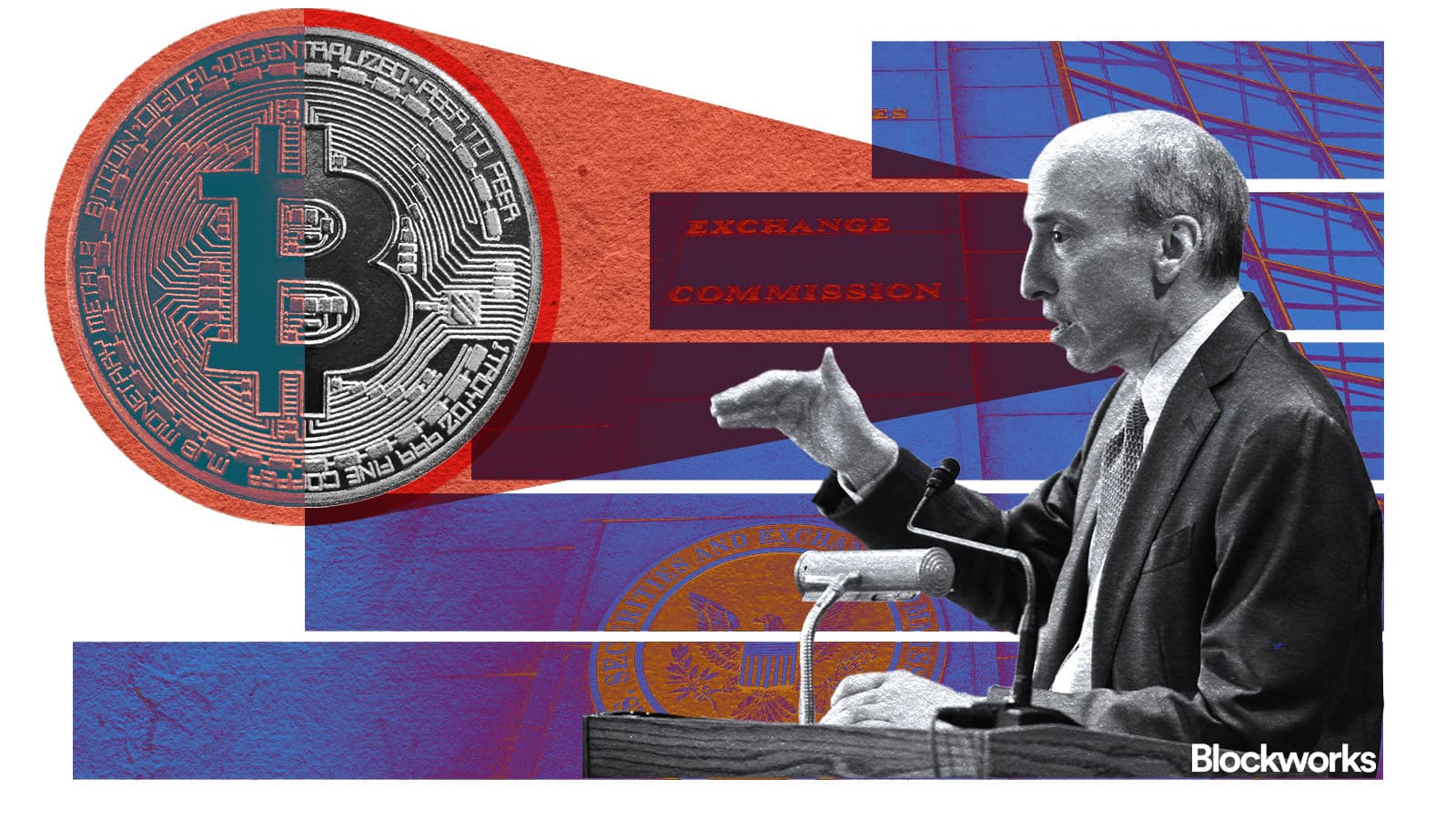
Artwork by Crystal Le
This is a segment from the Lightspeed newsletter. To read full editions, subscribe.
On Friday, the SEC filed suit against Nova Labs, the developer behind the Helium Mobile crypto-enabled cell network. The agency charged Nova Labs with fraud and registration violations.
The litigation wound up being the last of Gary Gensler’s four-year tenure as SEC chair, and it was a seemingly poetic way for Wall Street’s top cop to go out. The regulator frequently locked horns with the crypto industry, which bristled against his “regulation by enforcement” approach. His staff departs with a lawsuit against a company it had been investigating for years — and which many in crypto think could give the asset class real-world utility.
The SEC argued that Helium hotspots — which provide wireless connectivity and dole out token rewards — along with discovery mapping — where Helium Mobile users share their data with the company in exchange for tokens — both equate to unregistered securities sales. The agency also accused Nova Labs of fraudulently telling potential investors that Lime, Nestlé and Salesforce had used its wireless network.
A Nova Labs executive told me the Gensler-led SEC inquiry had been going on for two years prior to the suit and called the last-day lawsuit “as irresponsible as it is wrong-headed.”
The debate on whether most crypto tokens are securities has been a long-running one in crypto, although it may come to not matter as much: Fox Business reported President Trump aims to give the CFTC the regulatory lead on crypto, meaning the SEC won’t have as much say over alleged crypto securities.
As for the fraud part of things, Mashable reported in mid-2022 that Helium’s website said it had partnered with the scooter app Lime, and Lime said the partnership didn’t exist. The exposé led to a bit of egg on the face for Helium, which removed mentions of Lime as well as Salesforce from its website shortly thereafter. The SEC also says Helium falsely told investors that Nestlé was involved in the Helium network, whereas actual contact between the two was limited.
Nova Labs CEO Amir Haleem wrote on X that none of the SEC’s claims “hold any water at all.” Elsewhere, Haleem posted a screenshot of a 2020 email from Salesforce, seemingly confirming some sort of partnership between the two.
With the SEC expected to take a more crypto-friendly approach under President Trump, the suit may seem unlikely to go anywhere. There’s a catch however: Reuters reported Trump’s SEC is expected to freeze crypto litigation that does not involve fraud. Gensler’s SEC may have tried to force a continuation of its suit by charging Nova Labs with fraud.
Now, a potential Paul Atkins-led SEC might have to choose between continuing a lawsuit it didn’t start or appearing not to care about fraud.
Get the news in your inbox. Explore Blockworks newsletters:
- The Breakdown: Decoding crypto and the markets. Daily.
- 0xResearch: Alpha in your inbox. Think like an analyst.
