Japan, US strike trade deal that leaves US car makers out
With these levies, it’s cheaper for Japanese manufacturers to send cars to the US than it is for domestic makers to import parts from other countries
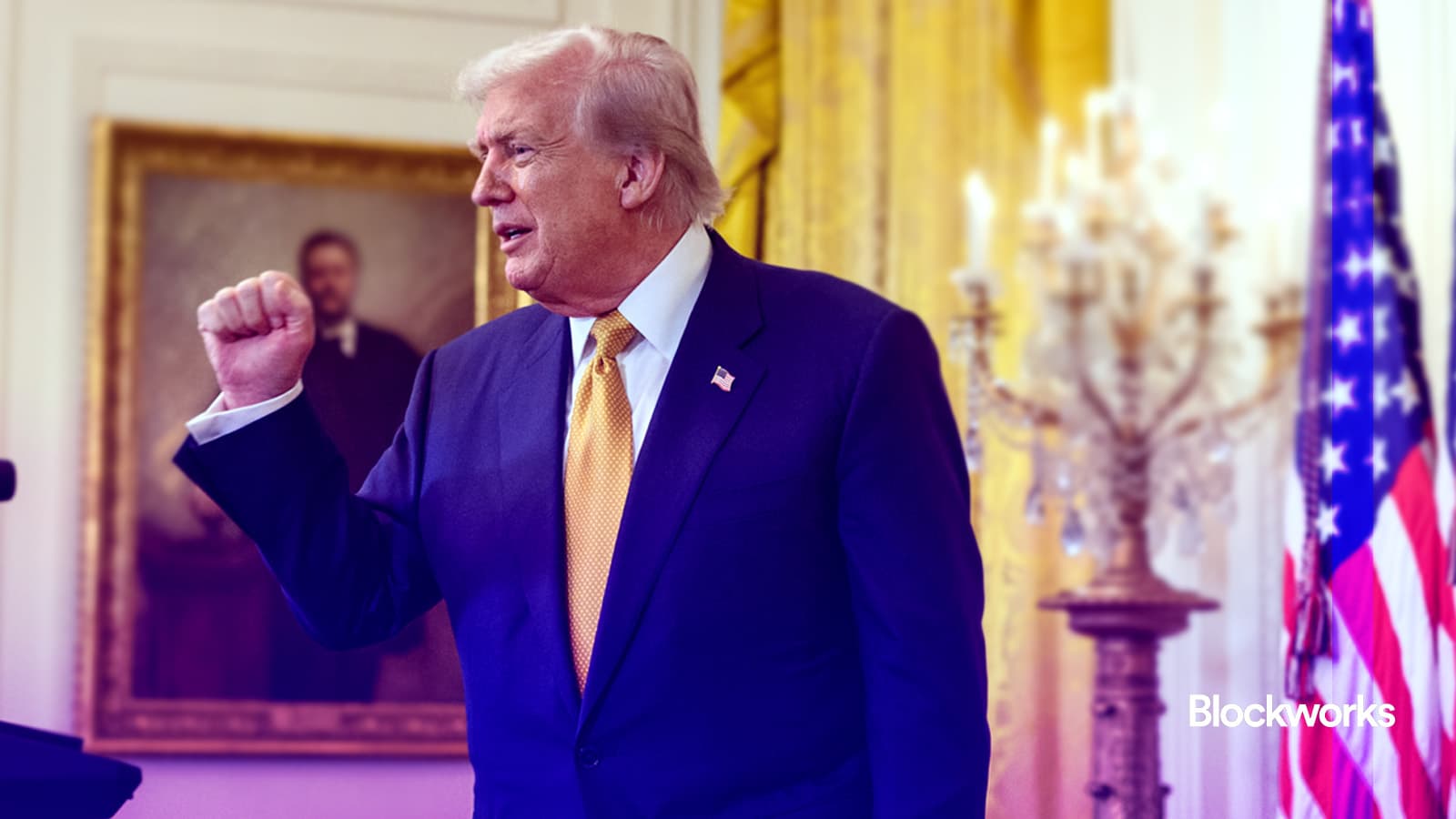
President Donald Trump | The White House/Joyce N. Boghosian/”P20250722JB-2192″ (
This is a segment from the Forward Guidance newsletter. To read full editions, subscribe.
With days to go before the new trade policy deadline takes effect, the US struck a deal with Japan.
President Trump announced the deal — a 15% tariff rate on Japanese exports to the US — late last night via a Truth Social post. The rate is lower than the previously proposed 25% levy and also applies to cars and auto parts.
A photo shared on X by Dan Scavino, Trump’s deputy chief of staff, suggests officials were making changes to the policy up until the last minute. The document in the picture had been edited by hand, with $400 billion crossed out and replaced with “500.”
The new figure appears in-line with the message both sides are touting: The agreement includes $550 billion in investments and loans from Japan to the US. Trump added in his Tuesday post that the deal will result in hundreds of thousands of jobs.
Domestic auto manufacturers may not be as happy with the deal, though.
With Japan auto exports now taxed at 15%, it’s more expensive for US makers like Ford and GM to import vehicles and parts from countries such as Mexico (25% levy) than it is for Japanese automakers to send vehicles to the US. Check out yesterday’s edition for a recap on how tariffs are already hitting car makers’ bottom lines.
The White House has not yet commented specifically on how the new Japanese deal will impact cars, nor has it shared any information about the status of other negotiations. We’ll be listening, though.
Get the news in your inbox. Explore Blockworks newsletters:
- The Breakdown: Decoding crypto and the markets. Daily.
- 0xResearch: Alpha in your inbox. Think like an analyst.
