White House’s Latest Crypto Framework Lacks Clarity, Some Say
Reports gathered by President Biden recommend “aggressive” crackdown on digital assets-related crime by the SEC and CFTC
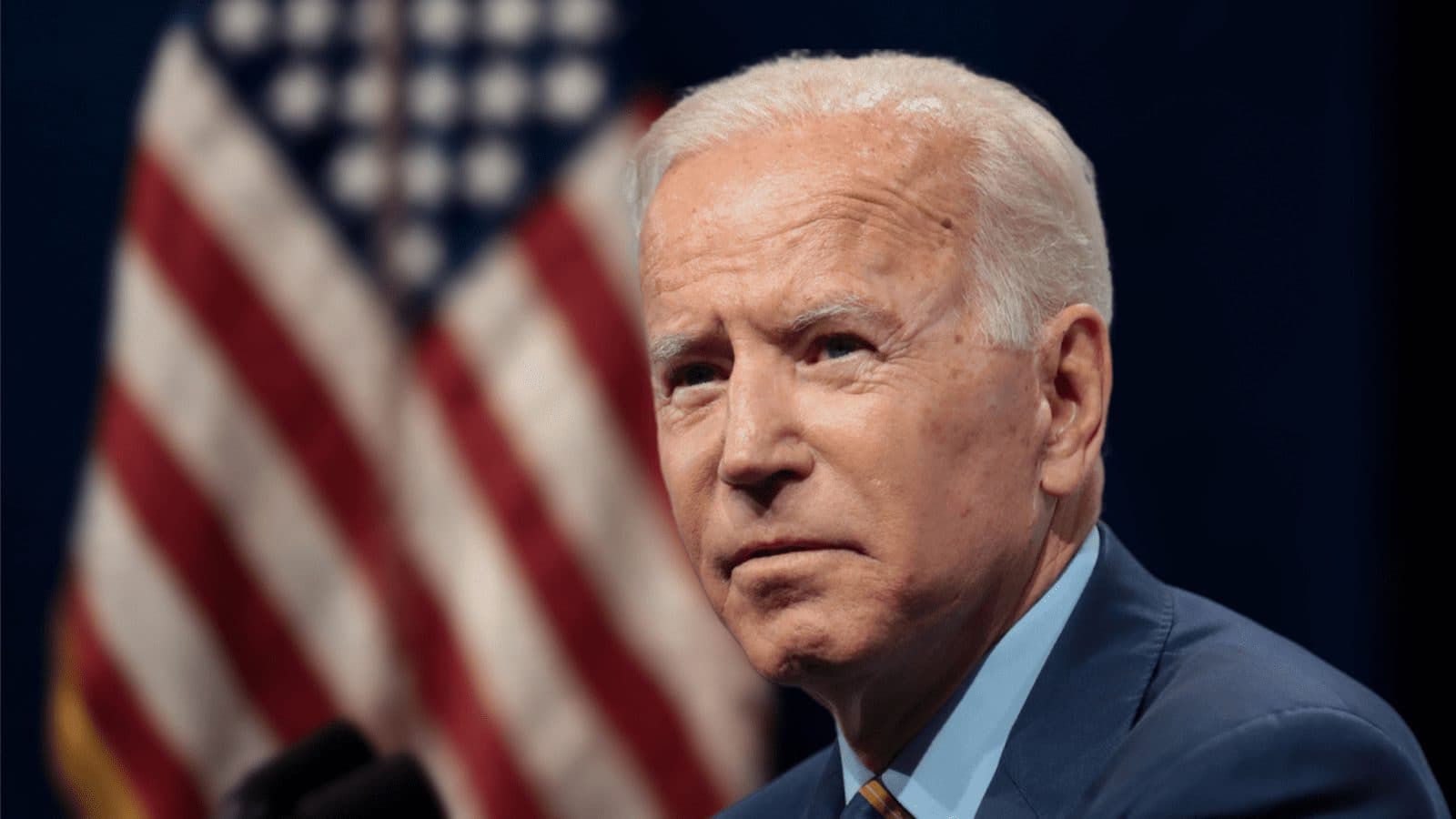
President Joe Biden | Source: Shutterstock
- Blockchain Association’s director calls the report “a missed opportunity to cement US crypto leadership”
- The Treasury department intends to publish risk assessments on DeFi and NFTs next year
Six months after unveiling an executive order on digital assets, President Biden’s administration on Friday rolled out a “comprehensive” crypto framework that some industry participants say is lacking in details.
Since calling on a swath of agencies to study how to oversee crypto responsibly, the president has so far received nine reports, the White House said.
The reports encourage the SEC and Commodity Futures Trading Commission (CFTC) “to aggressively pursue investigations and enforcement actions against unlawful practices in the digital assets space,” among other recommendations.
The call comes after industry watchers told Blockworks last month they expect “regulation by enforcement” to continue in the absence of concrete crypto legal frameworks.
Robert Baldwin, head of policy at the Association for Digital Asset Markets (ADAM), said the framework’s lack of legislative recommendations, or a clear pathway for SEC and CFTC cooperation, will likely result in “continued scattershot regulation by enforcement” that may not be technologically neutral.
“This is, in my mind, a bad outcome, which stands in juxtaposition to recent happenings in Congress, where we are starting to see bipartisan consensus formed around appropriate vehicles for market regulation and protections,” Baldwin told Blockworks.
Sens. Debbie Stabenow, D-Mich., and John Boozman, R-Ark., proposed in August the Digital Commodities Consumer Protection Act, which would place commodities under the CFTC’s jurisdiction.
CFTC Chair Rostin Behnam told senators during a Thursday Senate Agriculture Committee hearing that the commission is prepping to become the crypto industry’s watchdog.
A focus on illicit finance, risks
The White House’s latest framework dedicates a section to fighting illicit finance, highlighting the May crash of Terra’s algorithmic stablecoin and the subsequent wave of insolvencies that wiped out roughly $600 billion of investor funds, the guidance says.
Biden is evaluating whether to call upon Congress to amend the Bank Secrecy Act and other laws against unlicensed money transmitting to apply explicitly to digital asset service providers, such as exchanges and NFT platforms.
Reuters reported earlier this month that US authorities are investigating whether Binance violated the Bank Secrecy Act.
Biden also may look to allow the Department of Justice to prosecute digital asset crimes in any jurisdiction where a victim of those crimes is found, the latest report states.
But Sheila Warren, CEO of the Crypto Council for Innovation, said the White House’s Friday update “seems to kick the can down the road” without new and clear recommendations.
“This is surprising given the clear instructions from the [executive order] and work from members of Congress to move things forward,” Warren told Blockworks in an email. “Regulation by enforcement is not regulatory clarity. If we regulate by enforcement, it also gives other countries a clear runway to figure out how the tech works for their interests, which may be contrary to the US’s.”
As for future reports, the Financial Stability Oversight Council (FSOC) is set to publish one in October focused on labeling digital assets’ financial stability risks and identifying regulatory gaps.
The Treasury Department intends to complete an illicit finance risk assessment on decentralized finance by February 2023 and an assessment on NFTs by July 2023.
The framework adds that while a US central bank digital currency (CBDC) has the potential to offer significant benefits, further research and development on the technology that would support a digital form of the dollar is needed.
Kristin Smith, executive director of Blockchain Association, called the framework “a missed opportunity to cement US crypto leadership.”
“While intended to be part of a broader government and stakeholder effort to bring better regulation to crypto assets, these reports focus on risks – not opportunities – and omit substantive recommendations on how the United States can promote its burgeoning crypto industry, including job creation, improvements to the financial system and expanded access for all Americans,” Smith told Blockworks in an email.
Get the news in your inbox. Explore Blockworks newsletters:
- The Breakdown: Decoding crypto and the markets. Daily.
- 0xResearch: Alpha in your inbox. Think like an analyst.
