Web3 Watch: SocialFi apps secure funding despite investment lull
Two crypto-native social media platforms announced fundraises this week. Plus, MoMA acquires an NFT and Stars Arena gets hacked
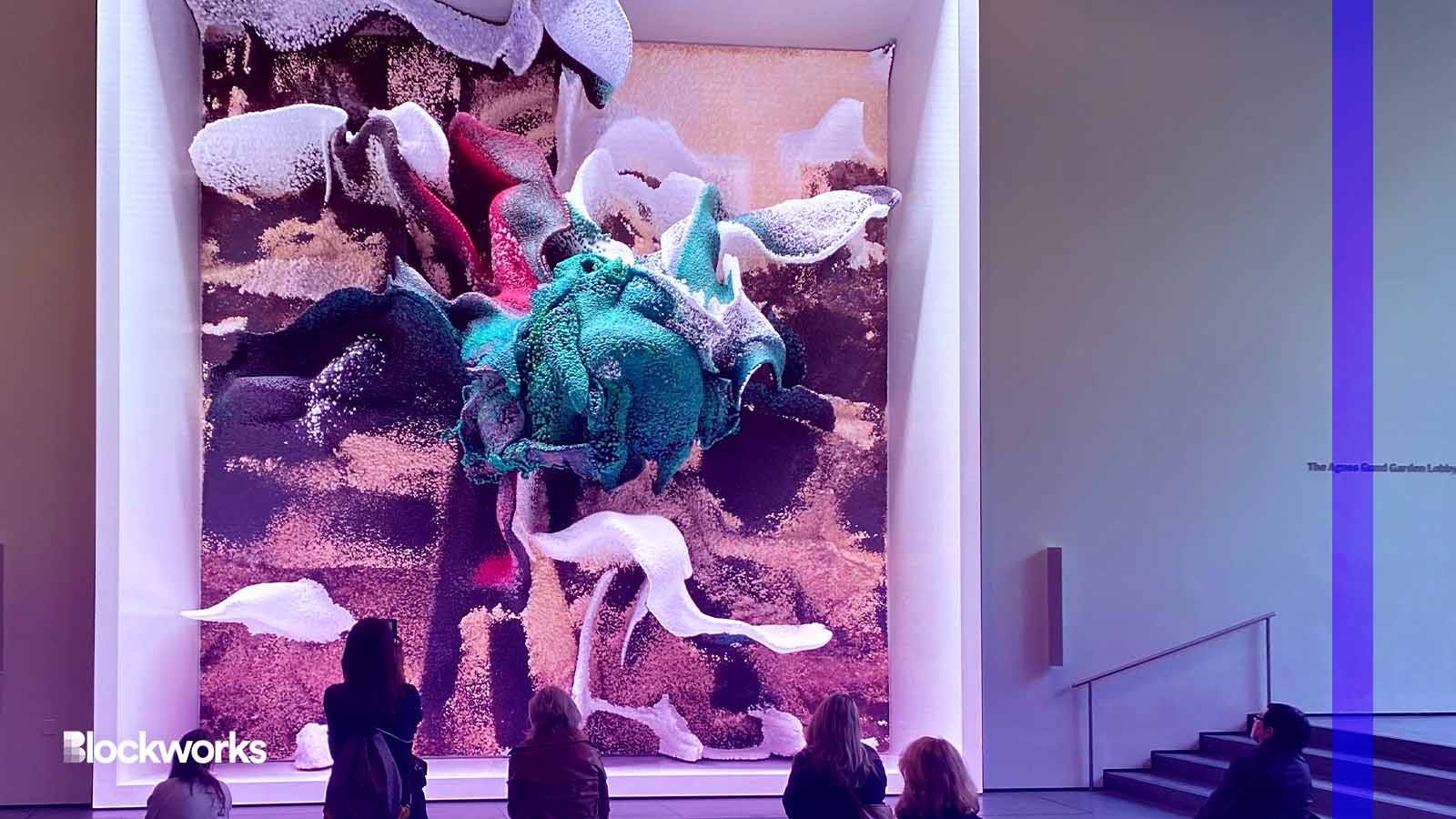
Museum of Modern Art
Two different Web3 social media platforms announced funding rounds this week — even as Galaxy Research reported crypto venture capital funding has reached its lowest point since 2020.
RepubliK announced a $6 million fundraise led by OKX Ventures this week. The mobile app is laid out similarly to Instagram, but users receive XP for creating and engaging with content — and will periodically be airdropped RepubliK’s RPK token based on their amount of XP.
The startup’s website says users keep 100% of what they earn on the app.
“Revenue for the platform is completely redistributed to everybody that uses the platform,” Daniel He, co-founder of RepubliK, said. “We don’t want to keep it.”
He said RepubliK’s revenue will come in part from fees charged for minting tokens.
A similar app named Phaver announced its own $7 million raise this week. Connected via Aave’s Lens protocol, Phaver’s mobile app has the same “Web2.5” flavor as RepubliK but with a different philosophy on monetization.
Users can earn or buy Phaver points which can be used to post in exclusive communities. Users are also allowed to “stake” posts, or bet on posts they foresee going viral, and receive additional points.
Read more: Friend.tech copycats eager to capitalize on social finance craze
The company says these Phaver points will be redeemable for on-chain Phaver tokens at a later date.
MoMA acquires its first NFT
The Museum of Modern Art (MoMA) added an NFT to its permanent collection this week — a first for the flagship museum.
 Source: Museum of Modern Art
The piece is Machine Hallucinations by Refik Anadol, an AI-generated work that uses MoMA’s database to continuously generate art based on the museum’s history.
At the museum on Thursday, visitors perched atop padded black boxes to get a look at the piece, which is displayed in the lobby.
The audience represented a mix of ages, with multiple visitors recording clips of the morphing colors on their phones. Reviews were generally positive, but none of the museumgoers Blockworks spoke with were aware the piece was blockchain-based.
“I didn’t know it was an NFT, but I hope that means the artist gets some income from it,” an elderly man who had been watching the display for several minutes said. “Otherwise I don’t care.”
Also of note:
- Stars Arena, Avalanche’s answer to Friend.Tech, was exploited for $3 million this week. The project claims to have recovered 90% of the lost funds.
- Blockchain gaming company Immutable is getting cloud space from Amazon Web Services.
- FTX logos no longer appear on umpires’ uniforms, but fans of Major League Baseball can still purchase commemorative NFTs of postseason tickets through the league’s partnership with Candy Digital.
Get the news in your inbox. Explore Blockworks newsletters:
- The Breakdown: Decoding crypto and the markets. Daily.
- 0xResearch: Alpha in your inbox. Think like an analyst.
