Super Bowl Crypto Ads Lacking, but NFTs Have a Spot
NFL’s title game Sunday to highlight Web3-driven fan engagement over crypto-specific advertising
Steve Cukrov/Shutterstock.com modified by Blockworks
You’ve probably heard by now that crypto’s coming-out party on Super Bowl Sunday last year won’t be repeated.
If you hadn’t, you would have likely guessed, given the struggles endured in 2022 by many of the industry’s largest players.
But that doesn’t mean viewers won’t get a taste of Web3 this time around.
Mark Evans, Fox Sports’ executive vice president of ad sales, told AP this week that two crypto advertisers had commercials “booked and done,” adding that two others were close behind.
But those deals fell through, he said, after the crash of FTX, which filed for bankruptcy in November. The exchange was among the crypto companies to run a Super Bowl ad in 2022.
A great deal has changed for the industry since — including for other digital asset advertisers during last year’s big game.
Coinbase and Crypto.com have taken steps to cut costs. Trading platform eToro told Blockworks last month it chose not to buy a spot this year. And crypto exchange OKX, which was planning a commercial, ultimately opted out of the bear market splurge.
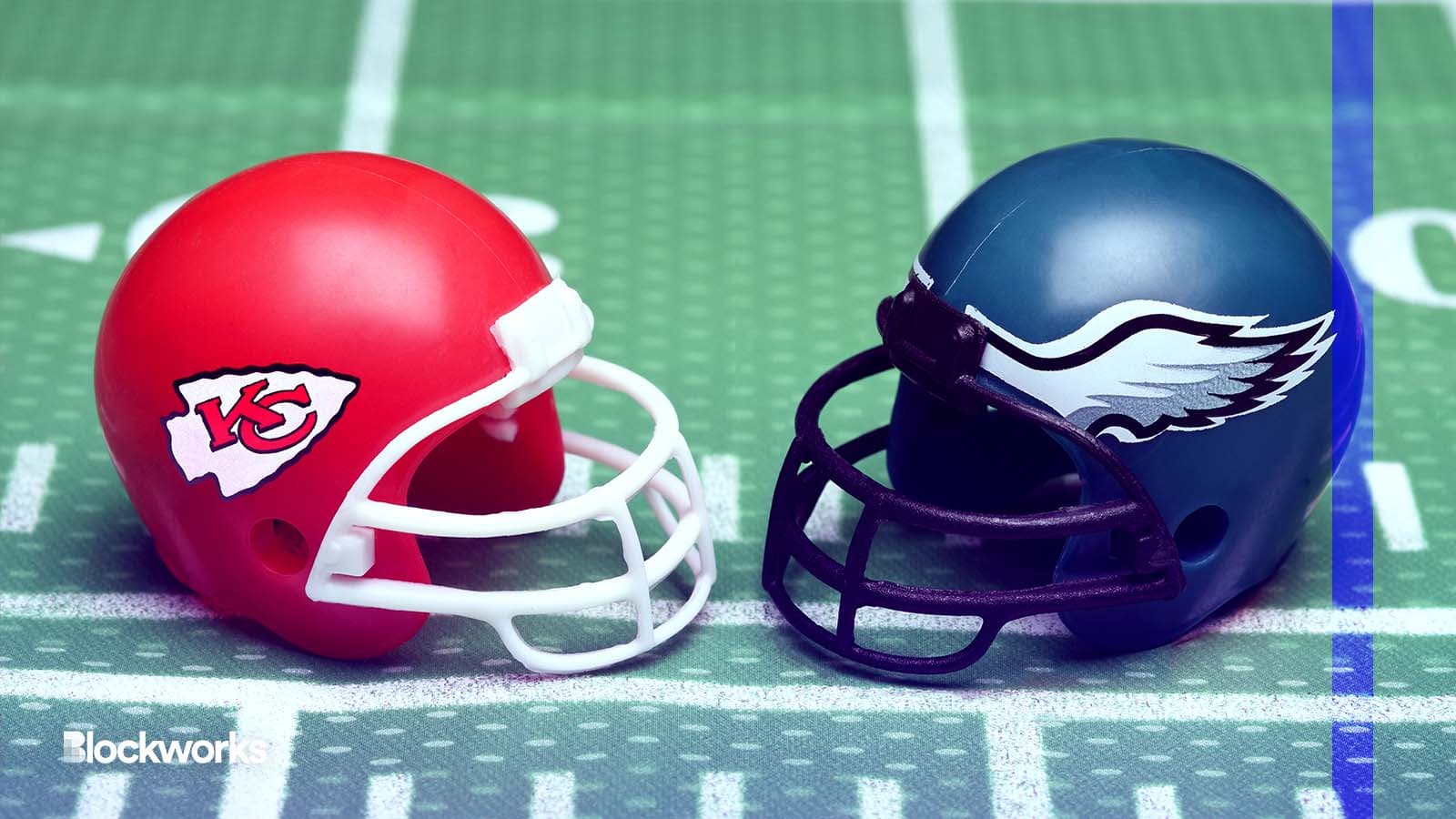
Crypto exchange Bitbuy bought an ad to run sometime within an hour before the Kansas City Chiefs and Philadelphia Eagles kick off, but only viewers in Canada will see it.
Silvia Lacayo, head of Americas marketing at crypto exchange Bitstamp, said many crypto firms are putting marketing efforts on pause. What’s more pressing for those companies, Lacayo told Blockworks, is looking for educational opportunities to make people feel more comfortable using cryptocurrencies.
“Crypto firms are focusing less on crypto advertising and more on investing in better user experiences, products, and customer service,” Lacayo said. “The tone has shifted towards Web3-driven fan engagement over crypto-specific advertising.”
An Intuit-sponsored virtual concert starring hip-hop artist Saweetie, for example, was set to debut on Friday on gaming platform Roblox, the NFL revealed last week. It is set to re-air every hour until Super Bowl Sunday.
And NFTs, a once little-known acronym that entered the mainstream in 2021, are set to step back into the light amid the crypto winter.
Utah-based Web3 company Limit Break said in October that it bought a Super Bowl ad for $6.5 million.
Founded by mobile game creators Gabriel Leydon and Halbert Nakagawa, Limit Break is known for creating DigiDaigaku, a digital collectible series of anime-style characters.
The company’s spot — slated to air during the game’s first commercial break — will feature a QR code directing viewers to sign up for a chance to own a DigiDaigaku Dragon NFT, the company said.
“Having this ad is exciting for us because prior to the Super Bowl, there’s going to be millions of people who have never heard of an NFT,” Leydon previously told Blockworks.
The ad culminates a free mint whitelist opportunity launched last month. Supply of the NFT collection, according to the company, is “extremely limited.”
Get the news in your inbox. Explore Blockworks newsletters:
- The Breakdown: Decoding crypto and the markets. Daily.
- 0xResearch: Alpha in your inbox. Think like an analyst.