Solana teams pick up on debanking narrative
The debanking narrative has given fresh ammunition to teams building bank replacements
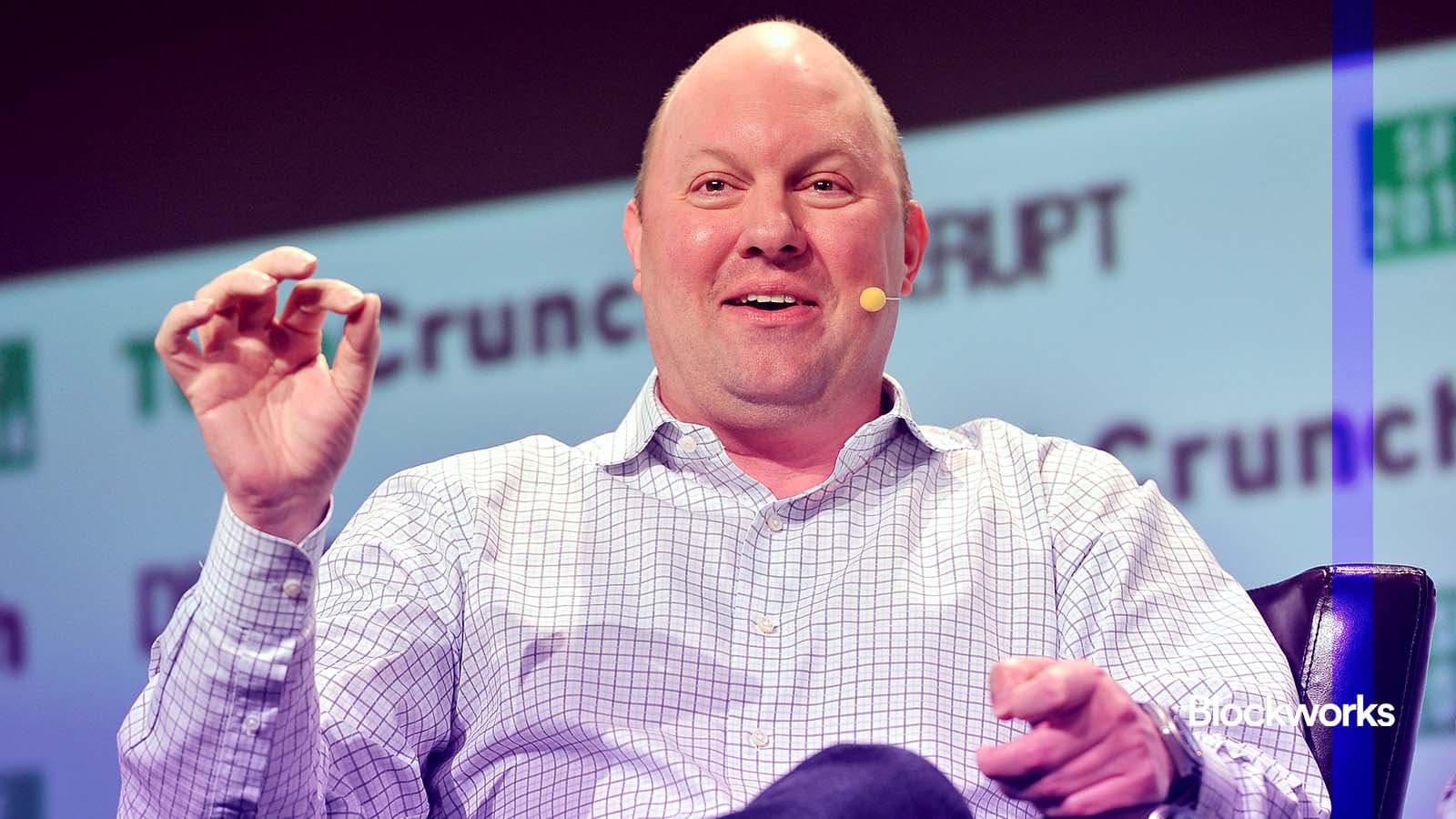
A16z co-founder Marc Andreessen | Steve Jennings/Getty Images for TechCrunch/”TechCrunch Disrupt SF 2016 – Day 2″ (CC license)
This is a segment from the Lightspeed newsletter. To read full editions, subscribe.
When Marc Andreessen went on The Joe Rogan Experience and said 30 of a16z’s portfolio founders had been debanked, or had their bank accounts closed arbitrarily, a chorus of crypto figures joined in to cry foul on the US banking system.
While discontent with the banking system is obviously nothing new in crypto, the debanking narrative — the extent of which we still know relatively little about — has given fresh ammunition to teams building bank replacements. On Solana, projects from onchain banks to subscription services are making their case for the debanked and unbanked to sign up. What’s unclear is whether today’s banking alternatives can succeed where past iterations have failed.
After the Joe Rogan podcast went live, Squads Labs director of research Shimon Newman began working on a report on the contours of a federal conspiracy to debank crypto entrepreneurs and startups — known in crypto as Operation Chokepoint 2.0. An early version of the report shared with Lightspeed highlights how US regulators’ perceive that there is a lot of risk associated with crypto — a perception that extends to fintech and payment service providers. As a result, there has been a large number of debankings, though detailed data on the exact number of crypto-related debankings remains scarce.
Newman’s report cites data saying an estimated 0.1% of laundered money is intercepted by current anti-money laundering efforts, and less than 1% of crypto volume is illicit. But whether or not the crypto crackdown is worthwhile, Squads is capitalizing on it: The startup’s smart wallet app has begun offering a “virtual US bank account” that can accept bank transfers and convert dollars into stablecoins for low fees. It does not offer credit-related services like taking out a loan, Newman said.
Iron is also building an “onchain bank” on Solana, though its founder’s public messaging has focused on the benefits of stablecoins rather than the scourge of debanking in recent days.
CFX Labs founder Nick Cavet shilled me today on his startup’s idea for “rebanking,” where USD deposits can be tokenized and essentially run on rails alongside the traditional banking system.
Serj Korj, co-founder of Solana incremental subscription app DePlan, started another initiative called Subdoor that lets people pay for subscriptions in crypto. He has leaned into the debanking narrative as well, though he pointed out in text messages that there are far more people who are unbanked — or never had bank access to begin with — in the world.
The narrative that banks are too opaque and free from accountability for wrongdoing has caught a second wind from debanking, but it’s not a new story. History suggests any crypto-ification of banking would require regulators to get on board too. And for some, the debanking narrative has already passed.
“Debanking is a year old story. And fintech eye rolls cuz it’s a 10 year old story,” Cavet said in a text.
Get the news in your inbox. Explore Blockworks newsletters:
- The Breakdown: Decoding crypto and the markets. Daily.
- 0xResearch: Alpha in your inbox. Think like an analyst.