Solana’s origins: Catastrophe strikes
Underlying Solana’s rapid 2021 ascent was its precarious dependency on Alameda Research and FTX
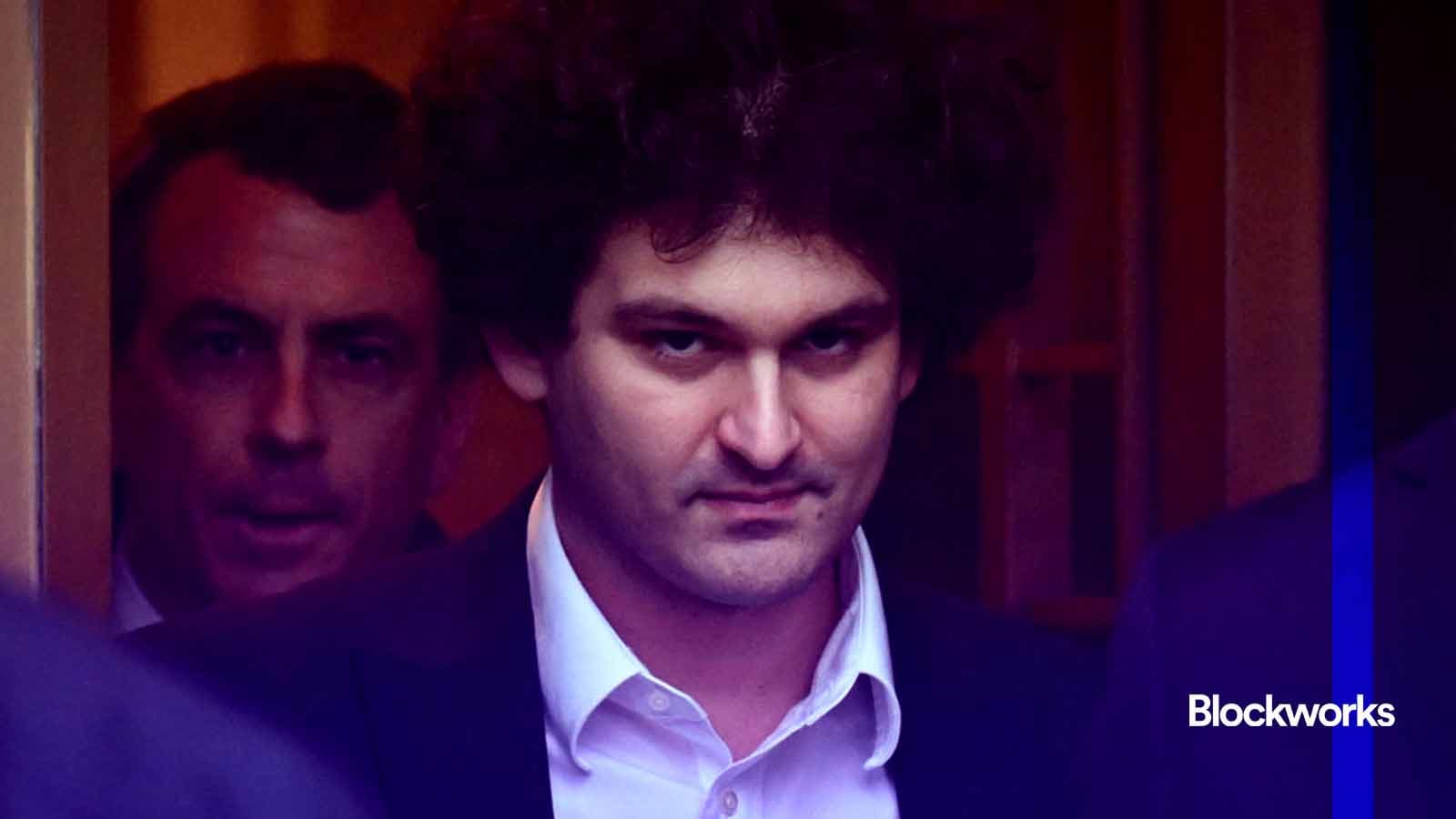
Sam Bankman-Fried | Getty Images modified by Blockworks
This is a segment from the Lightspeed newsletter. To read full editions, subscribe.
This is part two of a series on Solana’s rise, fall, and comeback. Click here to read part one.
In 2021, Solana’s ecosystem seemed unstoppable as it expanded at breakneck speed. Funding poured into DeFi projects like Serum, Raydium and Mango Markets. NFT marketplaces like Magic Eden began to rival Ethereum competitors like OpenSea, and the network saw record-breaking transaction volume. But underlying this rapid ascent was a precarious dependency: Alameda Research and FTX.
These two companies, both founded by the now incarcerated Sam Bankman-Fried (SBF), were some of Solana’s earliest and most influential backers. Alameda had participated in multiple funding rounds, acquiring vast amounts of SOL tokens. FTX hosted Solana hackathons and played a pivotal role in launching and sustaining Serum, a decentralized exchange that was one of Solana’s flagship applications.
At first, this deep entanglement with FTX was an inarguable advantage. Bankman-Fried — who was viewed at the time as something of a visionary — became one of Solana’s most vocal supporters, frequently touting its superiority over Ethereum. The partnership helped Solana attract liquidity, developers and institutional credibility. However, it also meant that Solana’s fate became closely tied to the success of FTX.
In November 2022, everything unraveled almost overnight. Reports surfaced that FTX had an $8 billion hole in its balance sheet, ostensibly due to reckless financial practices involving Alameda and its founder SBF. Panic quickly spread. FTX customers rushed to withdraw funds, triggering a liquidity crisis that the exchange could not survive. Within days, FTX and Alameda had both imploded, taking with them billions in customer funds and erasing Sam Bankman-Fried’s empire to naught but lone and level sands.
The fallout was catastrophic for the entire crypto industry, but no blockchain suffered more than Solana. Investors, fearing deeper contagion, rushed to offload their holdings. SOL’s price had already fallen significantly from its all-time high of nearly $250 a year prior, and was trading at around $37. While the broader bear market was responsible for that decline in majority, the implosion of FTX sent its price tumbling further to around $9.77.
DeFi activity on the network dried up instantly. Serum, which relied on FTX to operate, collapsed, leaving traders to scramble for alternatives. The broader Web3 community, already skeptical of Solana’s stability due to its past network outages, now labeled it as “Sam’s Chain,” a blockchain that had flown too close to the sun and was now destined to fade into irrelevance. Despite this, the crash was not as prolonged as some expected. Solana rebounded above $20-24 within the following weeks, though it remained in a long period of sideways price stagnation for much of the next year.
The psychological toll was arguably more severe than the financial damage. Developers who had built their projects on Solana questioned whether the network could survive. Venture capital firms, once eager to fund Solana startups, pulled back, shifting their focus to Ethereum and the promise of L2s. But even as the walls closed in, Solana’s deeply loyal core community fervently refused to capitulate. Convinced that the technology itself was sound, a dedicated handful of creators, validators and users insisted they’d continue building and evangelizing. But would their belief alone be enough?
Next time: The comeback. How Solana defied the odds, rebuilt from the ashes, and reclaimed its place as a powerhouse in Web3.
Get the news in your inbox. Explore Blockworks newsletters:
- The Breakdown: Decoding crypto and the markets. Daily.
- 0xResearch: Alpha in your inbox. Think like an analyst.