SEC in ‘purgatorial state’ despite positive signs
Bitwise’s Katherine Dowling notes the SEC appears to be waiting for “directive from up high” on how to handle litigations, for example
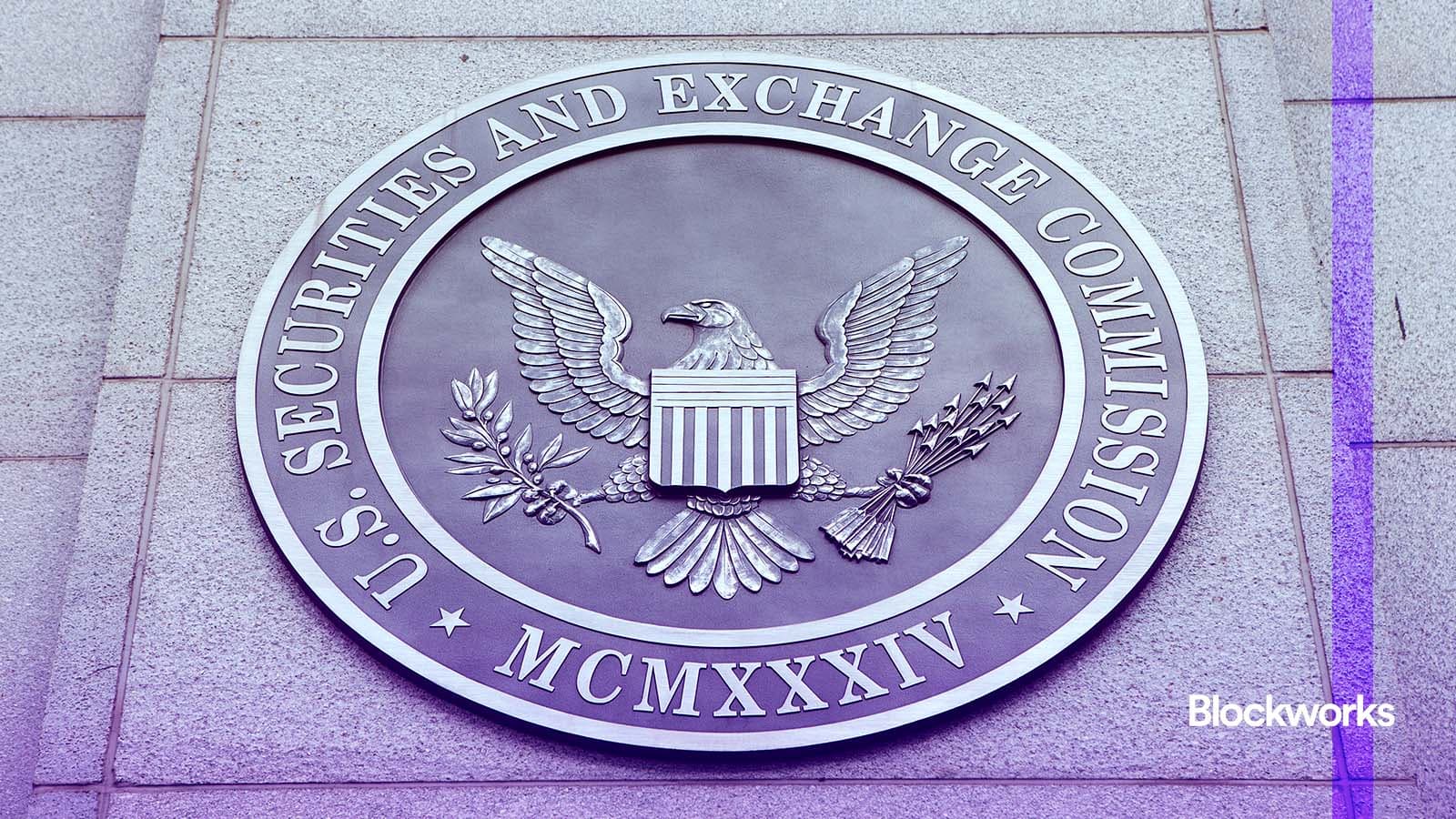
Mark Van Scyoc/Shutterstock modified by Blockworks
This is a segment from the Forward Guidance newsletter. To read full editions, subscribe.
January marked an end to SAB 121, welcomed Donald Trump’s crypto executive order and saw the creation of a new SEC task force.
Pair that with an ETF filing surge, and it’s a good time to catch up with someone on the inside: Bitwise general counsel Katherine Dowling.
Her firm, after all, has plotted ETFs that would hold XRP, solana and (as of more recently) dogecoin.
Dowling, an ex-assistant US attorney in the economic crimes unit of the Northern District of California’s US Attorney’s Office, described regulatory work as “siloed” in recent years — with SEC Chair Gary Gensler and the CFTC’s Rostin Behnam having “different views behind the scenes.”
Now, the signal of more SEC-CFTC cooperation is one of the biggest changes from the Gensler-era (“which now we can refer to as the past,” she quipped).
The crypto task force seems “incredibly genuine” based on dialogue Bitwise is having with the SEC, Dowling added.
That said, Dowling described the securities regulator as being in “a purgatorial state” with SEC chair nominee Paul Atkins not yet confirmed. Mark Uyeda is serving as acting chair.
The SEC appears to be waiting for “directive from up high” on how to handle litigations, for example. Like that case against Ripple you’ve probably read about.
“Overnight those don’t just go away, nor should they,” Dowling said. “But when you have new leadership, there’s a new set of eyes. Are we looking at the right things in this particular case? Is there a settlement stance where we can both get what we want?”
The Bitwise exec noted some assets remain “caught up like dolphins in the fish nets.” She’s alluding to those apparently classified as securities — SOL and XRP among them.
Something “needs to give” on that front before the SEC can move those ETF proposals along — justifying that purgatory, so to speak.
An ETF that holds dogecoin could have a clearer path, Dowling implied. After all, the SEC has not labeled DOGE a security.
Beyond the litigation/securities uncertainty, there’s the question of whether the SEC will require the existence of “a regulated market of significant size” (historically via CME-traded futures).
SOL and XRP futures are coming, Dowling opined — and spot products beyond BTC and ETH exist in other jurisdictions. If the SEC wants to see XRP and solana futures operate for a while, we’ll have to wait for US products holding those.
“But if we can come at it from a different angle and provide another line of argument that gets them comfortable with that, that is great too,” Dowling said.
How long will this take?
She gave a little laugh (recalling her work with the SEC while at the US attorney’s office) before saying: “I always remind people … this is just one subset of what they’re doing.”
So, yeah, patience will be key. A likely launch in the nearer term? A US ETF holding both bitcoin and ether. Bitwise got the 19b-4 approval on that. The SEC must now clear the S-1.
Get the news in your inbox. Explore Blockworks newsletters:
- The Breakdown: Decoding crypto and the markets. Daily.
- 0xResearch: Alpha in your inbox. Think like an analyst.
