Portuguese Parliament Holds Off Taxing Crypto Gains for Individuals
The government rejected two bills to tax crypto gains in 2022, but a new bill is already on the books to tax and regulate cryptoassets in the near future
Source: Shutterstock
- The government could wait for a common European approach to the taxation of cryptoassets, which could delay the future bill
- Corporations in Portugal have always had to pay taxes on their capital gains from crypto investments
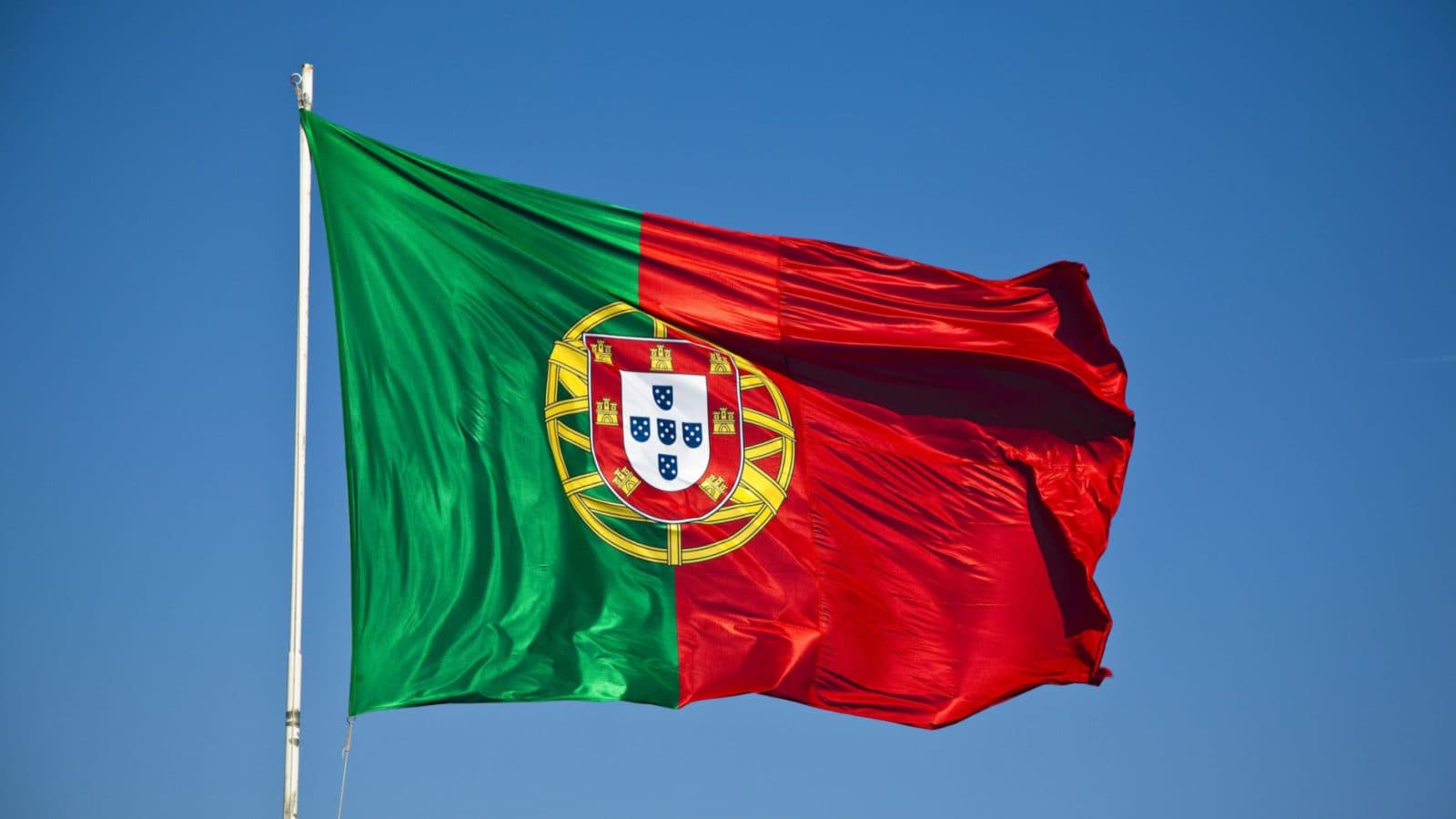
Portugal’s parliament this week rejected two bills that would introduce heavy taxes on crypto gains for individuals. The Socialist Party, which gained a majority in January’s parliamentary election, voted against the two bills but is looking to undertake a more comprehensive review of tax legislation soon.
One of the amendments would compel tax authorities to tax capital gains from personal crypto investments beyond 5,000 euros ($5356). The other would impose a flat rate tax of 28% on all crypto gains, which is the normal capital gains tax in Portugal for residents. The final version of the 2022 budget, which doesn’t include these bills, was approved this Friday in the Portuguese parliament.
“The two proposals rejected in Parliament this week were overly simplistic and would have created problems” for individuals and tax authorities, says Hugo Volz Oliveira, secretary-general of the New Economy Institute, a Portuguese nonprofit founded by leading Web3 companies and backed by the Near blockchain, the web browser Brave and several Portuguese universities.
Under current Portuguese tax law, capital gains from crypto investments are seen as a form of payment — a currency, but not an asset — and are not taxed so long as they do not serve as an individual’s main source of income. This is a result of a lack of legislation rather than an active policy by Portuguese lawmakers.
Corporations in Portugal have always had to pay taxes on their capital gains from crypto investments, and that will not change under the new tax regime.
Volz Oliveira believes the ruling party will announce a new proposal around October, when Parliament begins discussing the budget for 2023, but recent comments from Portuguese Finance Minister Fernando Medina imply policymakers will wait for a European consensus on the matter.
“This means a holistic approach to the tax regime could be on the cards, which would imply taxation could only be part of the budget for 2024,” Medina said.
Earlier this month Medina confirmed that his government was studying crypto gains taxation. The minister did not provide a timeframe for when this will happen, he said in Parliament on May 13 in a hearing about the country’s 2022 budget, which was delayed after a political crisis in late 2021 and an early election in January.
“Several countries are building their models concerning [taxing crypto] and we are going to build our own. Right now, I don’t want to make a commitment regarding a date,” Medina said. He argued that there shouldn’t be any loopholes that spare crypto investors from paying taxes, but he also cautioned that high levels of taxation could “bring revenue down to zero.”
The reform being studied by the government will include other aspects of tax legislation beyond capital gains, such as value-added tax, or VAT. It will also cover anti-money laundering legislation, as well as regulation and supervision of crypto markets in Portugal.
Portuguese tax authorities last week delivered to the government a study about how other countries are dealing with capital gains from cryptoassets, Volz Oliveira said. “The cases of Belgium, Luxembourg and Germany, which exempt capital gains from cryptoassets held for a certain period without any trading involved are interesting,” he said.
The finance minister’s answers to members of Parliament suggest that Portugal is waiting on the final outcome at the European level of MiCA — the Markets in Crypto Assets regulation — as well as the Transfer of Funds Regulations (TRF) legislation, to go ahead with a broad legislative reform regarding cryptoassets.
Get the news in your inbox. Explore Blockworks newsletters:
- The Breakdown: Decoding crypto and the markets. Daily.
- 0xResearch: Alpha in your inbox. Think like an analyst.
