PoolTogether class action case dismissed, for now
The no-loss lottery protocol faced a lawsuit from a former staffer of Sen. Elizabeth Warren, but a judge found he lacked standing
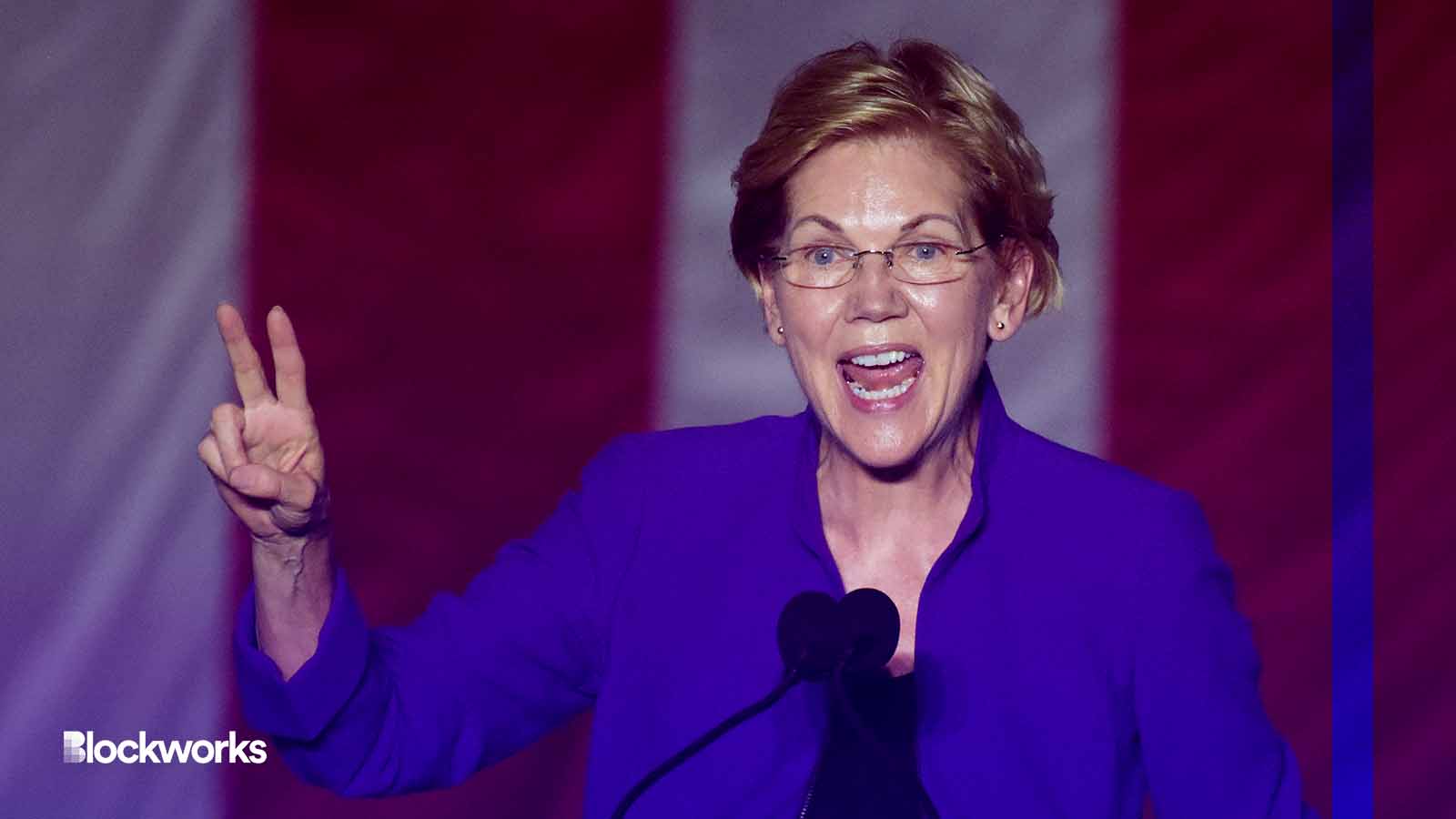
Matt Smith Photographer/Shutterstock modified by Blockworks
A year and 7 months after it was filed, the case of Joseph Kent v. PoolTogether and its backers has been tossed by a Brooklyn federal court judge.
The central question at issue — whether the PoolTogether protocol constitutes an illegal lottery under New York law — was not addressed, because the judge ruled that the plaintiff, Kent, lacked standing to sue.
PoolTogether was started in 2019 by Leighton Cusack, Brendan Asselstine and Chuck Bergeron. Cusack was named as a defendant in the suit. He tweeted that he was “extremely happy” with the hearing, though his legal challenges are likely not over.
“There is still a good chance they are going to try and refile this case (or an amended complaint) in state court,” Cusack told Blockworks.
Just over a year ago, PoolTogether’s Cusack raised $1.5 million for a legal defense fund using NFTs purchased by over 4,200 unique wallets.
Kent, who led a technology team for Sen. Elizabeth Warren’s 2020 presidential bid, filed the complaint in October 2021, with clear political overtones. The original suit noted that he was “gravely concerned that the cryptocurrency ecosystem — which requires the use of enormous amounts of electricity — is accelerating climate change and allowing people to evade financial regulations and scam consumers.”
District Judge Frederic Block noted in his 16-page decision that Kent’s lawsuit was based “on an entirely different premise,” but one which could not be adjudicated on the merits, in the absence of any harm in fact.
“By his own admission, he can withdraw his contributions at any time and the fees that those transactions would incur are not imposed by the defendants,” the judge ruled.
Quoting established precedent, Judge Block wrote that federal courts have “the power to redress harms that defendants cause plaintiffs, not a freewheeling power to hold defendants accountable for legal infractions.”
Kent deliberately used the protocol in an irrational manner by depositing a total of just $12 in GUSD and USDC stablecoins to PoolTogether’s pool on Ethereum mainnet. It’s well known that Ethereum has sometimes required high transaction fees, and these were readily apparent to Kent — in fact, they formed part of the basis of his claim for harm.
But PoolTogether also operates on Polygon and Avalanche — and more recently Optimism — where deposit fees are much lower. In all cases, transaction fees are the result of using the third-party networks where PoolTogether’s decentralized app (dapp) is deployed and not paid to the protocol.
As a no-loss lottery — effectively a prize-linked savings account — PoolTogether always offers participants a positive expected value. The protocol earns interest from other DeFi protocols such as Compound and conducts random prize drawings to pay out the pooled interest to lucky winners. Depositors can always withdraw 100% of their principal, however.
Blockworks has reached out to Kent’s attorneys.
Judge Block concluded that the defendants, which include venture capital funds Dragonfly, Nascent and Galaxy Digital, did not cause Kent any injury. He was not entitled to any interest from his deposits to PoolTogether, even though he could have received interest for deposits made to Compound directly.
“Crucially, the decision to deposit funds with PoolTogether or to send them directly to Compound (or, for that matter, to leave them in his digital wallet) belonged to Kent and Kent alone,” Judge Block wrote.
Get the news in your inbox. Explore Blockworks newsletters:
- The Breakdown: Decoding crypto and the markets. Daily.
- 0xResearch: Alpha in your inbox. Think like an analyst.
