Helium’s tech provided emergency cell service during Hurricane Helene
The “Helium hotspot beacon” is a miniature off-grid cell phone tower that uses Starlink and a Helium hotspot
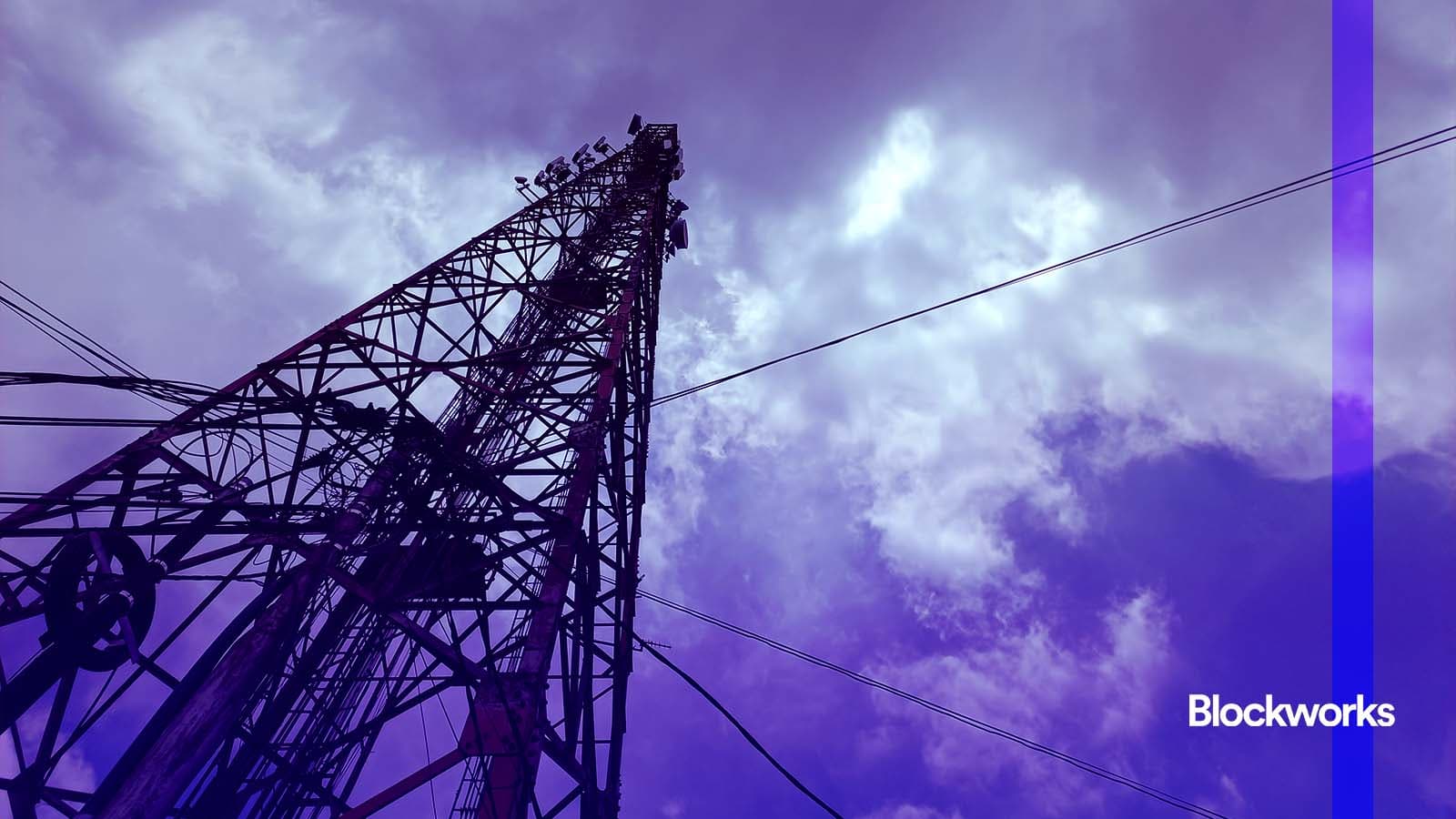
qunyangsuluh/Shutterstock modified by Blockworks
This is a segment from the Lightspeed newsletter. To read full editions, subscribe.
Hurricane Helene ravaged western North Carolina this fall, leading to over 100 deaths and roughly $60 billion in damage, according to a state government report.
As the storm worsened, Nova Labs vice president of business development Mark Phillips had an idea. Helium — which is building a network of hotspots that emit wireless coverage — could repurpose its technology to provide cell connectivity in North Carolina, where more than 20% of cell sites impacted by Helene went out of service, according to an FCC report.
Phillips messaged Helium Foundation CEO Abhay Kumar saying they should make a wireless hotspot for disaster relief. Within 48 hours, they had a prototype. Phillips and others at Nova Labs (which is the developer company behind the cell service company Helium Mobile) and Helium then began building the kits while also trying to get their hands on Starlink terminals that connect to the satellite-powered internet provider backed by Elon Musk.
Starlinks have an order backlog, but through a connection Phillips was able to secure 20 terminals within four days. Put together and plugged into a power source, Starlink and Helium’s tech create the “Helium hotspot beacon” — a miniature off-grid cell phone tower that uses Starlink for network backhaul and a Helium hotspot for radio connectivity to phones.
Helium sent a few of these beacons to North Carolina as the state’s wireless infrastructure continued to buckle. The most widely-used deployment came in Hendersonville, NC, after an organization named Land of Sky emailed asking for a beacon. They set the hardware up in a local park, and it received more than 20,000 unique connections from locals. The beacons received around 24,000 connections in total.
Because Helium hotspots provide cell service and not just Wi-Fi, anyone within 1,000 feet of the deployment had their phones automatically connect to service like with their regular carrier, Phillips told me.
The saga highlights a benefit of decentralized physical infrastructure, a sector referred to as DePIN in crypto circles.
When natural disasters strike, it is possible for legacy cell carriers to deploy mini cell towers — and America’s cell phone incumbents are doing so amid the ongoing California wildfires. But those solutions are expensive and somewhat inflexible, requiring large trucks to drive around with little towers attached.
Helium offers portable kits that are plug and play for getting cell service. If deployed widely, the hotspot beacons could make America’s wireless networks much more resilient to natural disasters.
Helium has offered 10 hotspot beacon kits to the authorities in southern California, Phillips said.
Get the news in your inbox. Explore Blockworks newsletters:
- The Breakdown: Decoding crypto and the markets. Daily.
- 0xResearch: Alpha in your inbox. Think like an analyst.