FDIC Slaps Bankrupt Lender Voyager Over Deposit Insurance Claims
The FDIC is requesting Voyager take “immediate corrective action” to address “false statements” made to users about its deposit insurance
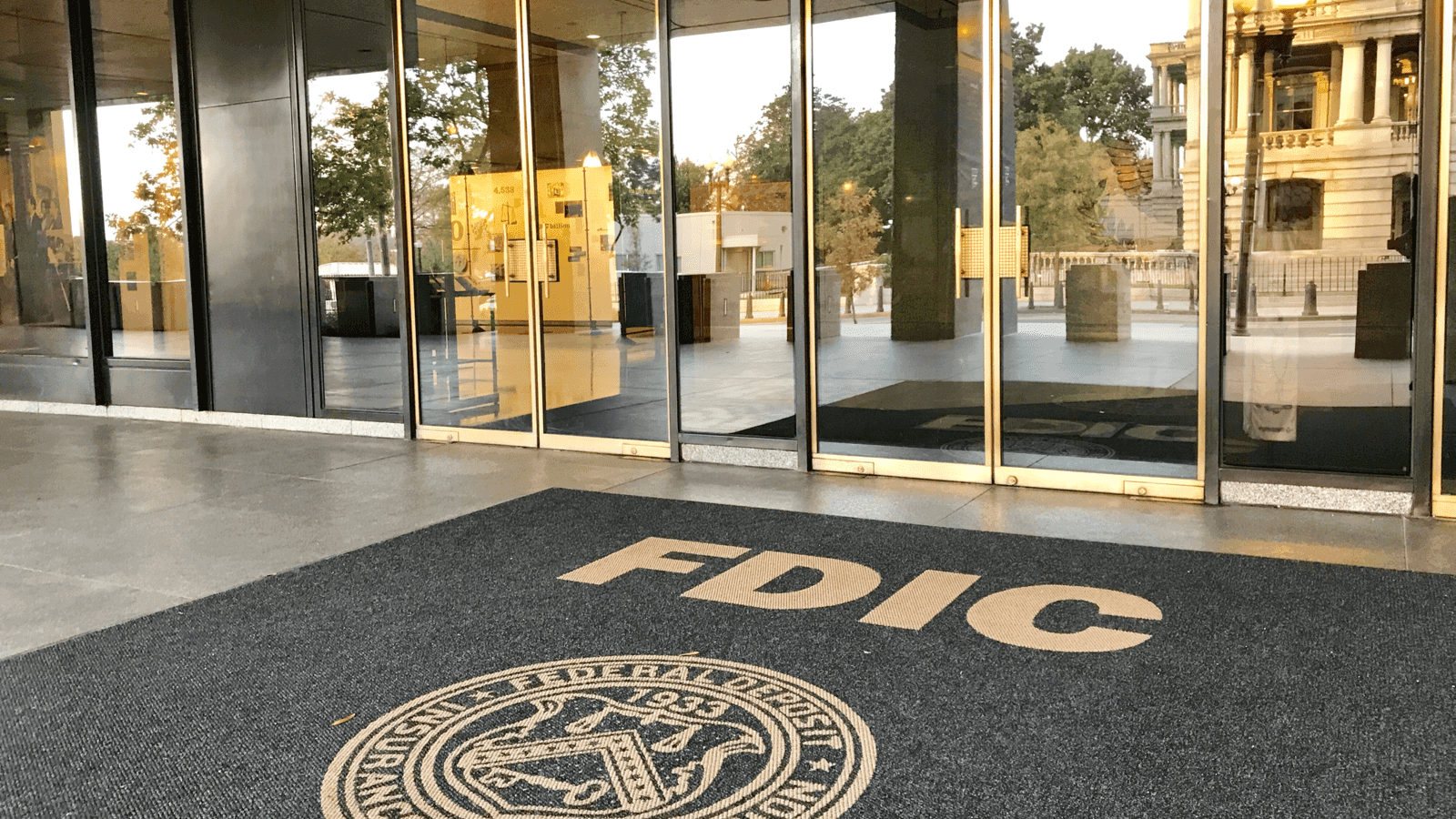
Entrance to the Federal Deposit Insurance Corporation (FDIC), Washington DC; Source: Shutterstock
- The US financial insurance watchdog has issued a cease and desist letter to Voyager Digital
- Voyager, a cryptocurrency lender, filed for Chapter 11 bankruptcy earlier this month
It’s been 20 days since an investigation was launched into crypto lender Voyager Digital’s marketing of its deposit accounts to users. Now, US regulators have slapped the bankrupt firm with a cease and desist order.
In a statement on Thursday, the Federal Deposit Insurance Corporation (FDIC) and the Federal Reserve Board said they jointly issued a letter to Voyager requesting it cease making false and misleading statements relating to its FDIC deposit insurance status.
Voyager and certain employees stand accused by the agencies of having made false representations online, including its website, mobile app and social media accounts.
Those representations, the watchdog said, include claims that Voyager is FDIC–insured and that all users’ funds provided to and held by the lender, including crypto, are insured. Under the Federal Deposit Insurance Act, companies and persons are barred from marketing uninsured deposit accounts as being insured.
“These representations are false and misleading, the agencies said in the statement. “Based on the information gathered to date, it appears that these representations likely misled and were relied upon by customers who placed their funds with Voyager and do not have immediate access to their funds.”
Voyager, which has been fending off what it says is a “low ball” buyout offer from Sam Bankman-Fried’s companies FTX and Alameda Ventures, became the focus of an investigation on July 8 by the FDIC for publicly stating its dollar deposits were insured in the event the lender were to fail.
Voyager maintains a deposit account for the benefit of its customers through its banking partner Metropolitan Commercial Bank.
The lender itself is not insured by the FDIC, the agencies said, therefore customers who invested through Voyager’s cryptocurrency platform would not receive insurance coverage in the event of its failure.
Earlier this month, the lender filed for Chapter 11 bankruptcy following revelations it was caught up in the widespread contagion of Singapore-based hedge fund firm Three Arrows Capital’s collapse.
A 2019 statement on the Voyager’s website had claimed customers could receive full reimbursement following an event where USD funds were compromised due to the lender or its banking partner’s failure.
That has since been changed to state that in the “rare event” customer funds are compromised they are to be guaranteed a full reimbursement of up to $250,000.
The watchdog is requesting Voyager take “immediate corrective action” to address “false statements” relating to its status.
Meanwhile, the Toronto stock exchange has halted trade of Voyager shares and now face total delisting.
The company’s stock, which has collapsed 75% throughout July, was also bumped from the US’ OTCQX International platform to OTC Pink Sheets, which has much lower reporting and disclosure requirements.
Voyager’s native token VGX has fared better, up 30% in the past month but still trading 85% below its price at the start of the year, currently valued at $0.40.
Get the news in your inbox. Explore Blockworks newsletters:
- The Breakdown: Decoding crypto and the markets. Daily.
- 0xResearch: Alpha in your inbox. Think like an analyst.
