Biden Signs Crypto Executive Order Promoting “Responsible Innovation”
The long-awaited executive order sets high-level goals for federal policy, but the details are yet to become clear
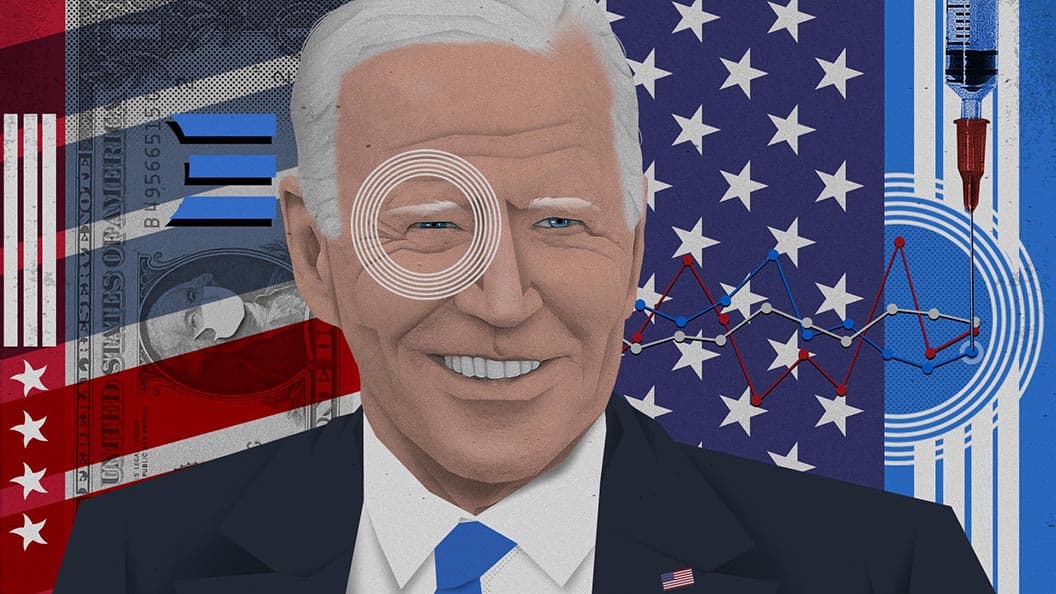
Blockworks exclusive art by Axel Rangel
- Biden calls for a unified approach on regulating and evaluating cryptocurrencies
- Industry members welcome regulation, but ask that their voices be heard
President Biden signed an executive order Wednesday morning that asks federal agencies to establish a roadmap for regulating crypto and identify risks and potential for innovation, US Securities and Exchange Commission Chair Gary Gensler wrote on Twitter.
“The rise in digital assets creates an opportunity to reinforce American leadership in the global financial system and at the technological frontier, but also has substantial implications for consumer protection, financial stability, national security, and climate risk,” a fact sheet released by the White House read.
The order is the first time the executive branch has attempted to create a unified federal strategy around the growing digital asset industry, but it does not provide the clear regulatory guidelines many industry members have requested.
“We hope [the executive order] leads to a future regulatory state where existing agencies have more clarity on how the existing regulatory framework can and should be applied to the blockchain industry and the identification of any gaps,” Denelle Dixon, CEO and executive director of the Stellar Development Foundation, said.
The order lists six focus areas for cryptocurrency policy and regulation: protect consumers and businesses, protect financial stability, mitigate risk, US leadership in the global financial system and economic competitiveness, financial inclusion and responsible innovation.
The order instructs agencies, including the Treasury and SEC, to research a variety of topics associated with digital assets and recognize potential risks and use cases, including the role a central bank digital currency may play in the US.
“Under the executive order, Treasury will partner with interagency colleagues to produce a report on the future of money and payment systems,” Treasury Secretary Janet Yellen said in a statement Wednesday. “We’ll also convene the Financial Stability Oversight Council to evaluate the potential financial stability risks of digital assets and assess whether appropriate safeguards are in place. And, because the questions raised by digital assets often have important cross-border dimensions, we’ll work with our international partners to promote robust standards and a level playing field.”
As agencies continue to work toward a unified digital asset strategy, industry members ask that their voices be heard.
“This call for collaboration cannot be an excuse to keep the industry from having a seat at the table,” Dixon said. “We’ve come too far in a short period of time to begin to shut outside perspectives out now.”
The order comes as Congress also looks to tighten its reins on the stablecoin industry. Bills designed to regulate the digital assets will likely be introduced by US lawmakers in the House and Senate later this month, according to a source familiar with the matter.
Get the news in your inbox. Explore Blockworks newsletters:
- The Breakdown: Decoding crypto and the markets. Daily.
- 0xResearch: Alpha in your inbox. Think like an analyst.
