Waters Floats Stablecoin Bill Draft Ahead of Thursday House Hearing
Waters, McHenry stablecoin bill drafts may look similar, but Republicans put more power in states’ hands
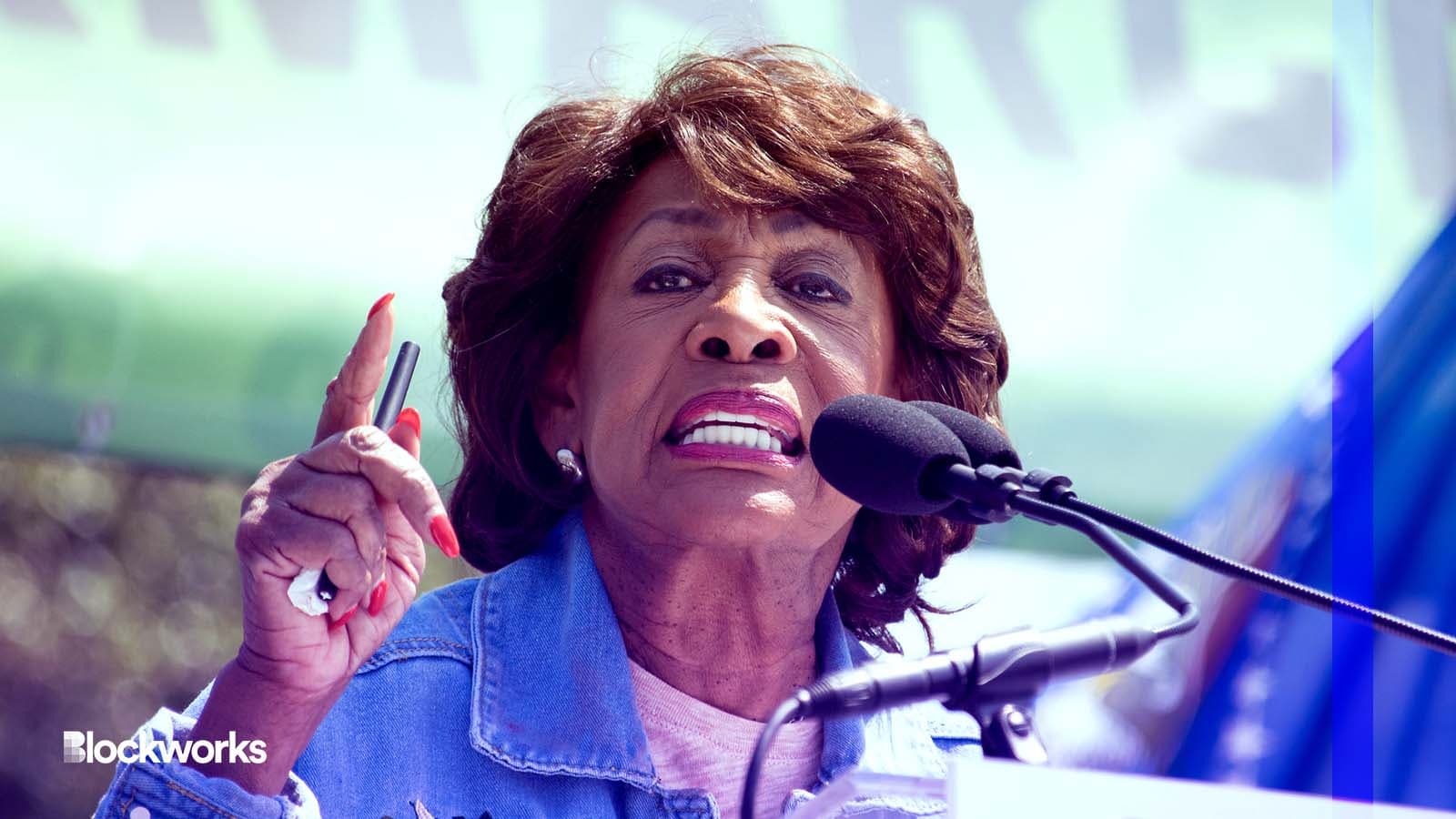
US Rep. Maxine Waters | majunznk/“Maxine Waters” (CC license)
Weeks after insisting Democrats would be “starting from scratch,” Rep. Maxine Waters, D-Cali., is circulating her own stablecoin bill ahead of this week’s House hearing.
The new draft includes the same key points as the bill circulated last session, which representatives were unable to push through.
Its purported areas of concern include how issuers are licensed, how reserves are evaluated and how stablecoins tied to other cryptocurrencies are regulated.
On Thursday, the House Financial Services Committee’s Subcommittee on Digital Assets, Financial Technology and Inclusion will meet to discuss stablecoin legislation for the second time this session.
The Subcommittee’s last stablecoin hearing was about three weeks ago, which Financial Services Committee Chair Patrick McHenry, R-N.C., kicked off by unveiling his party’s new stablecoin bill draft. McHenry’s bill has not yet been introduced on the House floor.
Rep. Waters’ discussion draft makes no changes to the current responsibilities or authorities of the Treasury, the Bureau of Consumer Financial Protection, the SEC or the CFTC.
Institutions looking to issue stablecoins must apply through “the appropriate federal payment stablecoin regulator,” Rep. Waters’ draft states. The appropriate regulators include the Federal Reserve Board of Governors, the Comptroller of the Currency, the National Credit Union Administration and the Federal Deposit Insurance Corporation (FDIC).
Both bills state that the regulator must approve or deny the application within 90 days.
Factors taken into consideration for approval include the issuers’ ability to maintain reserves, the benefit provided to the public and the issuers’ promotion of financial inclusion.
Issuers could apply through state regulators, Waters’ bill states, but the Fed Board can still “issue rules” for these parties — the same language found in McHenry’s draft, released in April.
Waters’ version additionally specifies that the Fed can decline state-qualified payment stablecoins from registering on a federal level.
McHenry’s draft declares that state-qualified issuers who submit all required registration materials will be officially registered within 60 days of submission.
Thursday’s hearing will feature testimony from four witnesses, including crypto industry members, legal experts and a former leader at the New York Department of Financial Services, which has been a trailblazer for state-level stablecoin policy.
Get the news in your inbox. Explore Blockworks newsletters:
- The Breakdown: Decoding crypto and the markets. Daily.
- 0xResearch: Alpha in your inbox. Think like an analyst.