Silicon Valley wants in on memecoin craze
Dragonfly’s Rob Hadick warns that people in crypto and tech tend “to overreact to short-term market dynamics”
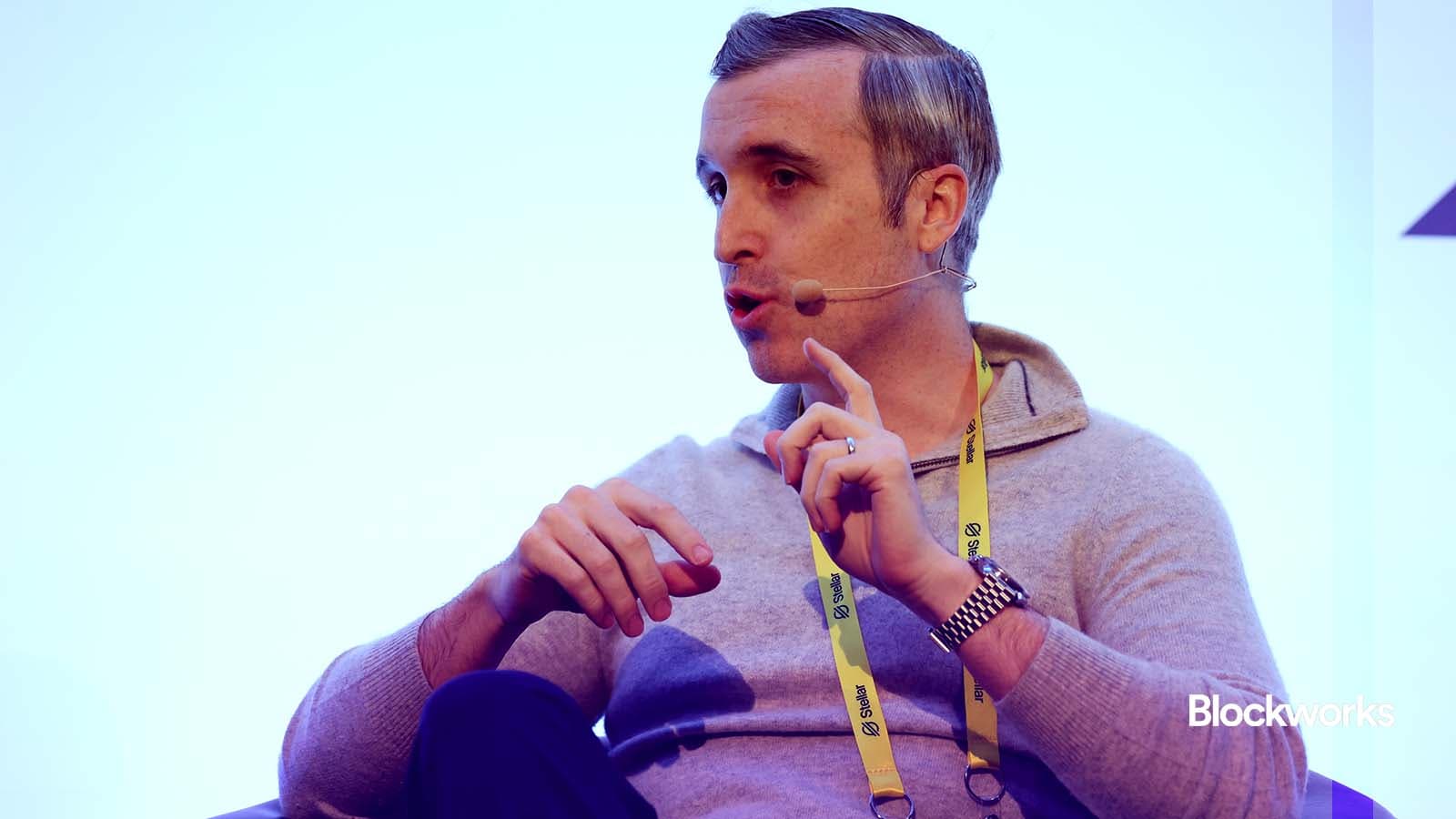
Dragonfly general partner Rob Hadick | Ben Solomon Photo LLC for Blockworks
This is a segment from the Lightspeed newsletter. To read full editions, subscribe.
Following a string of high-profile collapses and bad press in 2022, crypto largely felt like its own market sector from which the rest of the tech world kept a cautious distance. With a memecoin-brandishing President Trump now in office, that seems to be shifting: The techies like memecoins.
Since Trump came to office, several more-mainstream tech players have either launched or endorsed memecoins — a couple of which have seen major price drawdowns, like the TRUMP token. It’s perhaps a sign that animal spirits are back in crypto, and tech players want a seat at the table, past qualms be damned.
Last night, Venmo co-founder Iqram Magdon-Ismail launched a token for his new startup, a kind of TikTok-meets-FaceTime app called JellyJelly. The token launched on the Solana memecoin launchpad pump.fun and quickly raced to over $230 million in market capitalization. Less than a day later, it crashed to under $100 million in market cap.
Magdon-Ismail said today on a podcast that one of Solana’s co-founders texted him expressing excitement about the launch, and he was in talks with someone at the Solana Foundation as well.
Sam Lessin, general partner of Slow Ventures, which invested in both Venmo and Solana, then posted a clip of himself waxing poetic about how money is just a form of communication, and memecoins are the expression of a viewpoint. Lessin promoted the memecoin on his X account, and it’s not clear how much of the token he owns, if any.
The saga came shortly after a co-founder of the defunct video sharing app Vine launched a memecoin of his own, which also saw its market cap spike before quickly retracting. Nikita Bier, an entrepreneur who has launched multiple viral social media apps, posted and then deleted a meme saying he would be launching a memecoin, too.
Silicon Valley’s new memecoin apologists tend to talk about such tokens using terms like “fun” and “community,” but not everyone thinks memecoin as a capital formation tool will prove auspicious for startups.
“I do not believe that startups launching memecoins will gain any real traction over any reasonable length of time,” Dragonfly general partner Rob Hadick said. He cited attention dilution, the negative feeling investors get from losing money and significant regulatory risk as marks against startup coins.
People in crypto and tech tend “to overreact to short-term market dynamics. We saw very similar discourse about NFTs in 2021, which turned out to be almost entirely wrong,” Hadick said.
Get the news in your inbox. Explore Blockworks newsletters:
- The Breakdown: Decoding crypto and the markets. Daily.
- 0xResearch: Alpha in your inbox. Think like an analyst.
