Web3 Watch: Sui unveils handheld Web3 gaming device
Plus, a Bored Ape burger restaurant closes, and Crypto: The Game presses on
rafapress/Shutterstock modified by Blockworks
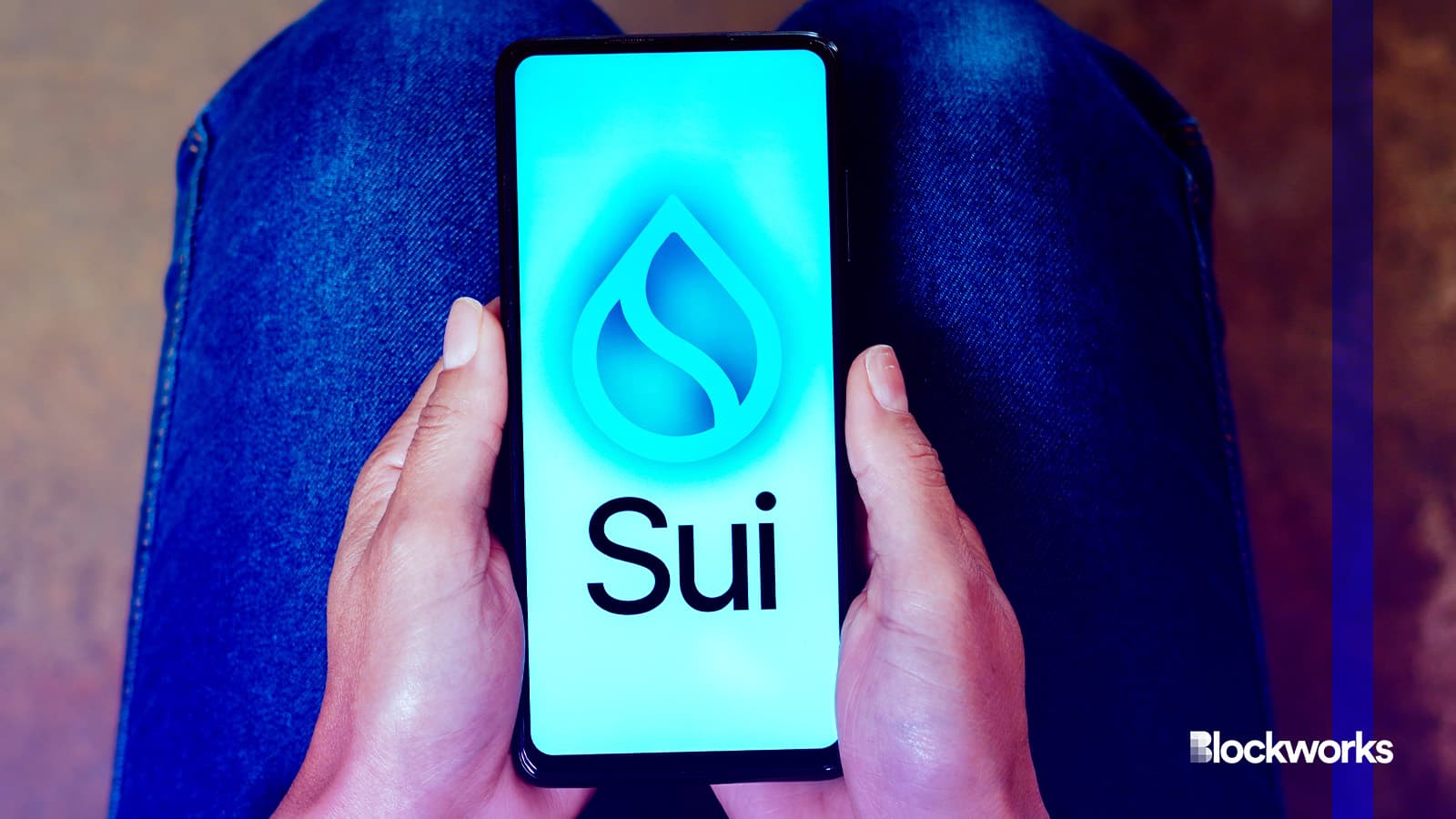
First there was the Solana Saga, now there’s the Sui SuiPlay0X1.
That’s the bet Sui developer Mysten Labs is making, as it announced the pending launch of a handheld gaming device that natively integrates with the Sui blockchain. The product will be built with Playtron’s device-agnostic gaming operating system, Sui said.
A marketing video posted by Sui showed a slick, PlayStation Portable-esque device, but any actual gaming handheld is in the very early stages, and the product isn’t set to hit the market until 2025.
Official details on the release remain relatively sparse, though VentureBeat reported some details based on interviews with executives involved in the partnership. The device will aim to integrate Sui wallets for users at the OS level, so game developers could do things like airdrop rewards directly to users.
But the elemental design choice of which chip to use is still to be determined, VentureBeat reported. A spokesperson for Sui did not immediately return a request for more information.
Solana’s Saga phone did uninspiring numbers at launch before becoming highly sought-after among crypto natives due to BONK airdrops being offered by protocols developing apps for the phone.
Read more: Solana fans suddenly BONKers over the Saga phone
Like Solana, Mysten teamed up with an external developer for its handheld Web3 product. Playtron is a handheld gaming software startup that came out of stealth with $10 million in funding roughly two weeks ago. Mysten Labs, along with Polychain, Circle and CMT Digital, were crypto companies that have invested, The Verge reported.
Playtron’s calling card is an operating system that can support games from different platforms, perhaps opening up the notoriously siloed gaming space.
When one chapter ends, another begins
Bored & Hungry, the Long Beach, California-based hamburger restaurant, is closing up shop roughly two years after its 2022 founding. The shop, opened and branded around the Bored Ape NFT said to be owned by founder Andy Nguyen, let some customers pay using APE tokens.
It’s not the end of the road though, as Bored & Hungry also opened three stores in the Philippines and another in South Korea. The burger chain’s branding has been acquired by Seoul-based Hungry DAO. The company will hold pop-ups this year in Hong Kong, Singapore and Dubai, Nguyen said on X.
In other APAC-based-NFT-themed-restaurant news, a restaurant in Australia rebranded to become Nouns Deli, with branding based on the NFT collection and DAO.
One interesting stat:
- A Flipside dashboard suggests that over the past 90 days, 50.84% of trading volume on the Magic Eden NFT marketplace has been wash trading.
Also of note:
- Crypto: The Game, the online survival game where competitors vie for an 80 ether prize, has whittled the pool from 800 contestants down to 570.
- Shooter game MetalCore became the first playable title on the Immutable zkEVM network.
Get the news in your inbox. Explore Blockworks newsletters:
- The Breakdown: Decoding crypto and the markets. Daily.
- 0xResearch: Alpha in your inbox. Think like an analyst.