Sfermion Closes $100M Raise to Make the Metaverse Mainstream
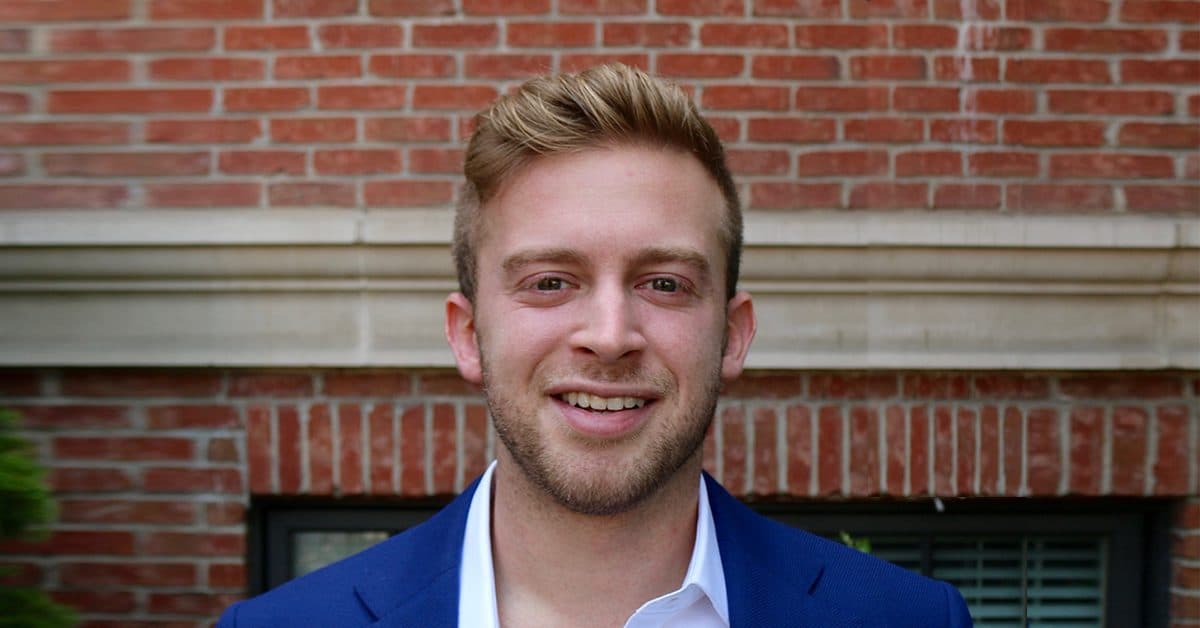
The new fund will focus on investing in NFTs, tokens and equity, says Andrew Steinwold, managing partner of Sfermion.
Source: medium.com/@Andrew.Steinwold
- “In the next five years, the amount of growth in the metaverse will make the past 30 years of internet growth look stagnant in comparison,” Steinwold told Blockworks
- “NFTs are hitting upon these core pieces of human nature, which separates the market between crypto and NFTs”
Investment firm Sfermion closed a $100 million raise for its Fund II to focus on the non-fungible token ecosystem and the growing demand for the Metaverse.
Strategic investors participating in the round include Alan Howard, Chris Dixon, Marc Andreessen, Cameron and Tyler Winklevoss, Matthew Roszak, Digital Currency Group, CMT Digital, and Animoca Brands.
“We also have a lot of traditional institutional investors that we didn’t name just because they wanted to stay private,” Andrew Steinwold, managing partner of Sfermion told Blockworks in an interview.
The Fund II will focus on investing in NFTs, tokens, and equity, Steinwold said, unlike Sfermion’s Fund I, which focused directly on NFT investments.
“We’re investing in the NFT infrastructure so anything from marketplaces, data providers, loan providers, and we think the financial stuff I mentioned is important and needed,” Steinwold said. “But for the social-experience side of NFTs, it’s going to be really exciting,” he added.
“We think virtual worlds are going to be the next social media.”
Virtual worlds can help NFTs and crypto become mainstream through emerging submarkets that people can join within NFTs, Steinwold said.
“Gaming is the trojan horse to crypto mass adoption. NFTs more broadly will have art, collectibles, gaming and these things which are designed to be fun and are things that people already do and love,” he said. “These are already behaviors people have, so it’s less of a leap than a hard concept to understand,” he added.
Although it’s hard to predict the future of NFTs and the metaverse, Steinwold thinks it will continue to become more immersive overtime and believes that within the next 20 years, the majority of the world’s population will live, work and play inside the metaverse.
While crypto is a pure financial game of economics to make money, NFTs hit upon the human factor, an idea of community that brings social aspects to join a group of people in this virtual world, or metaverse, Steinwold said.
“On the social experience side, I don’t even know what will form there,” he said. “There will be powerful things that will allow people to utilize their NFTs in a human way. NFTs are hitting upon these core pieces of human nature, which separates the market between crypto and NFTs,” he added.
In general, the NFT market has been ramping up. NFT trading has climbed to $10.7 billion in the third quarter of 2021, up over 700% from the previous quarter, according to an industry report by DappRadar. Ethereum-based “play-to-earn” gaming space Axie Infinity has passed over $2 billion in historical trading volume, making it the most traded NFT collection ever, the report showed.
“In the next five years, the amount of growth in the metaverse will make the past 30 years of internet growth look stagnant in comparison,” Steinwold said.