Republicans nominate pro-crypto reps to lead key House committees
Rep. French Hill was nominated to chair the House Financial Services Committee
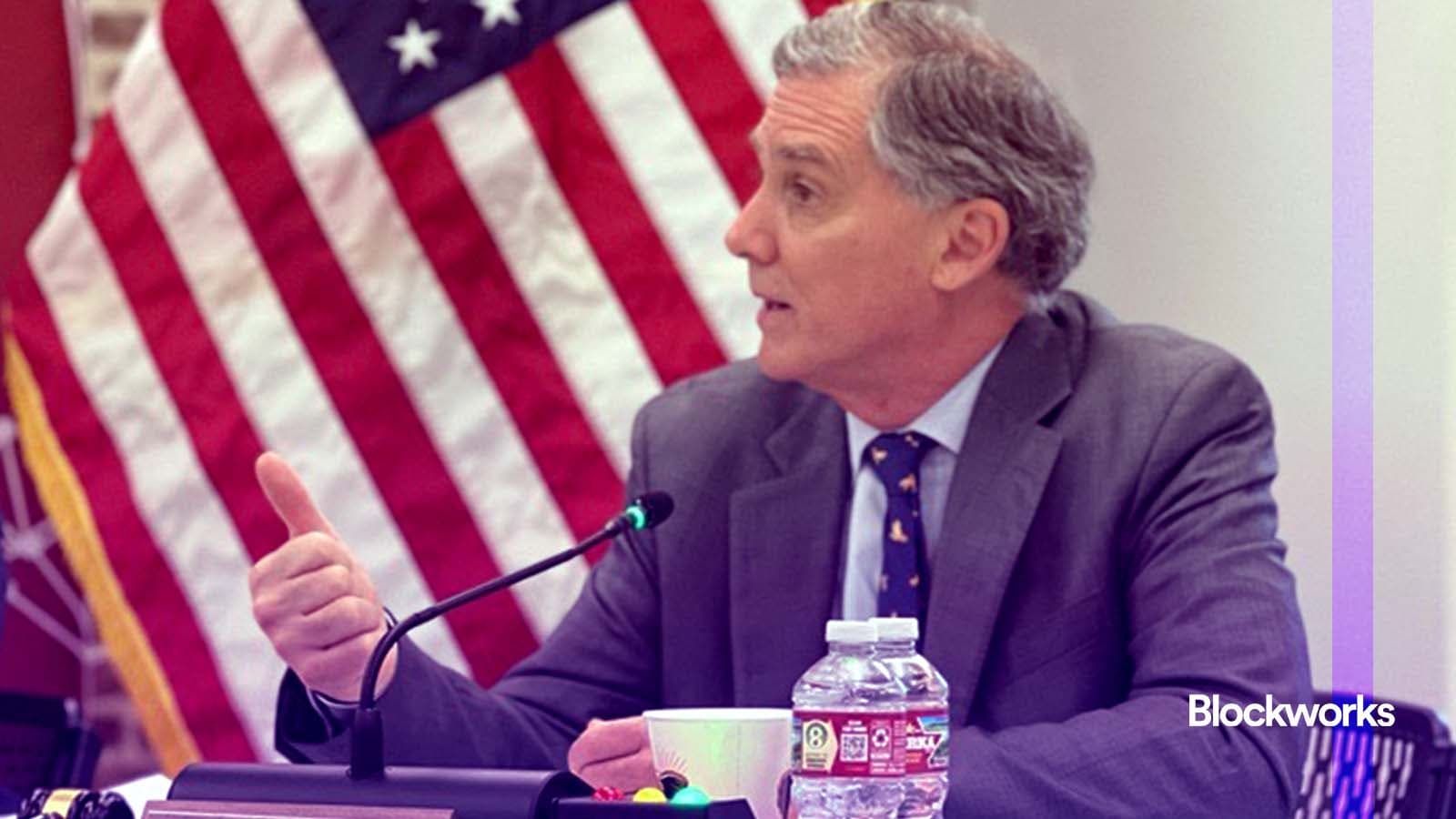
US Congressman French Hill | Congressman French Hill Facebook page modified by Blockworks
This is a segment from the Forward Guidance newsletter. To read full editions, subscribe.
It’s that time of the year: Republicans are finalizing their picks for House committee and subcommittee chairs.
For eagle-eyed crypto fans, you probably saw Rep. French Hill was nominated to chair the House Financial Services Committee. Also of note, Glenn Thompson is slated to hold on to his position as Agriculture Committee chair.
Let’s run through what these representatives have said about crypto and what could be in store for policy next session:
French Hill
Hill was the first-ever chair of the House Subcommittee on Digital Assets, Financial Technology and Inclusion, serving for the past two years.
Chair Maxine Waters created the subcommittee during the 116th Congress. It was expanded to also include crypto matters this session under Chair Patrick McHenry, who did not run for re-election. Since broadening its scope, subcommittee hearings have been held on DeFi, crypto market structure and the role of federal agencies.
Hill received bipartisan support Thursday following his nomination announcement. Democrat Ritchie Torres, a fellow crypto-friendly rep, said he looks forward to continued bipartisan cooperation next session.
Glenn Thompson
You may be wondering what the Agriculture Committee has to do with finance. But this group actually tackles a lot of pressing issues, specifically with commodities and derivatives markets. As many crypto advocates push for more regulation from the CFTC and less from the SEC, the Ag Committee could prove crucial.
Thompson introduced the Digital Commodity Exchange Act last session — a bill that went on to influence FIT21, which passed through the Ag Committee and later the full House with backing from both parties. A major part of the legislation is granting the CFTC authority to oversee crypto spot markets, a distinction agency leadership and industry actors have supported.
Thompson, a co-sponsor of FIT21, said last year the legislation had been drafted based on “extensive feedback from stakeholder and market participants.”
The bill “aims to close existing authority gaps, ensuring US leadership in financial and technological innovation,” he added.
Committee nominees must be ratified by the House Republican Conference, which is expected to meet next week.
Meanwhile, over in the Senate, there’s still no word on if (or when) senators will vote to confirm SEC Commissioner Caroline Crenshaw before Congress recesses next week.
Senate Banking Committee Chair Sherrod Brown on Wednesday attributed the delay to Republican senators heeding “corporate special interests and standing in the way of [Crenshaw’s] nomination.”
Next week should be interesting.
Get the news in your inbox. Explore Blockworks newsletters:
- The Breakdown: Decoding crypto and the markets. Daily.
- 0xResearch: Alpha in your inbox. Think like an analyst.
