Warbler Labs dogfooding its Goldfinch protocol with Heron Finance
Heron Finance caters to US accredited investors and uses Goldfinch credit markets on the backend
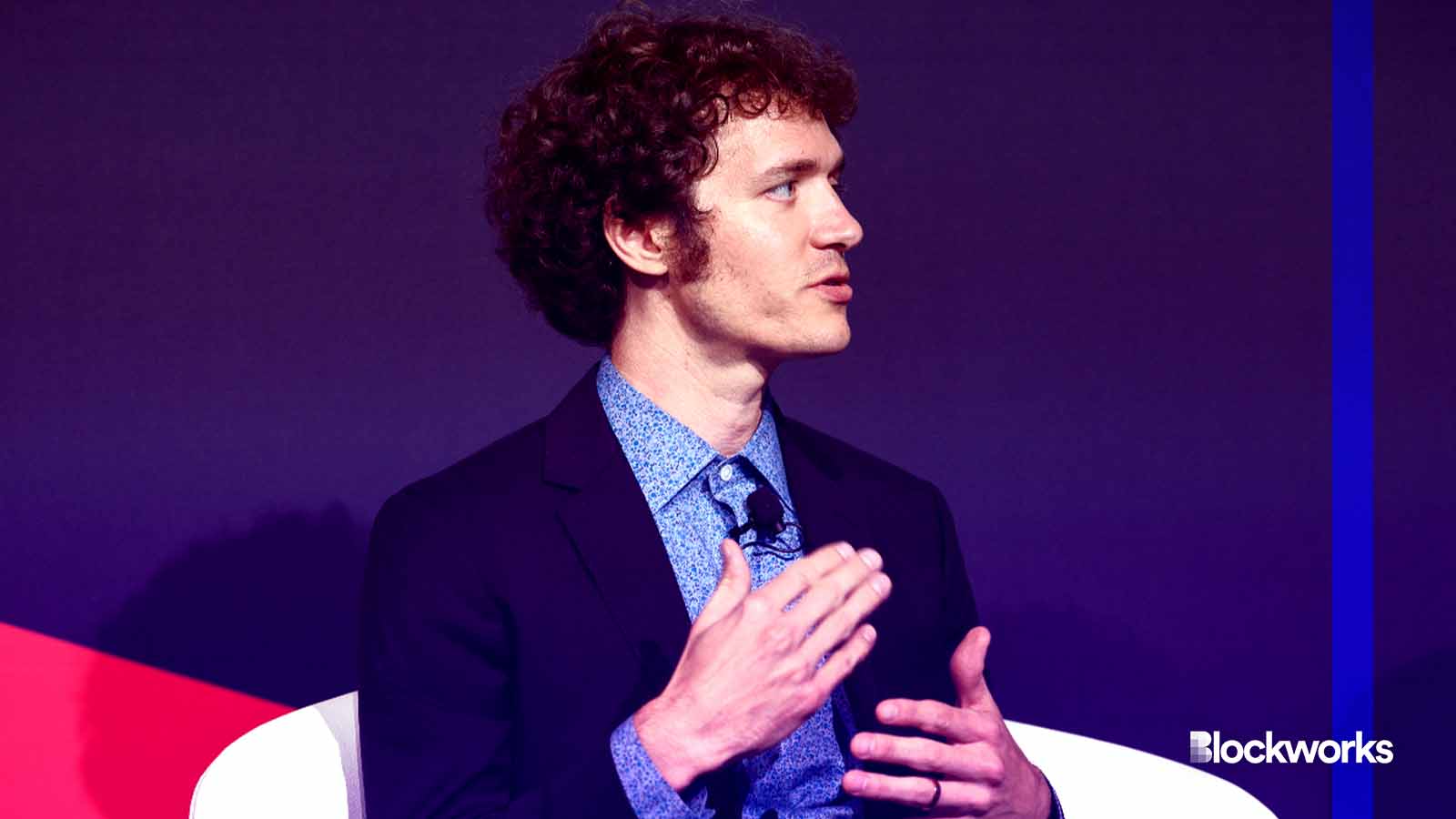
Warbler Labs co-founder Blake West | DAS New York 2022 by Blockworks
Using blockchain in finance to establish more efficient markets is one of the technology’s most logical applications. Whether you call it decentralized finance, open finance, or simply crypto, there are benefits to its enhanced transparency, automated accounting and reduced counterparty risk.
The trillion-dollar question is, where are the apps to onboard the masses?
Heron Finance, an US Securities and Exchange Commission-registered investment advisor (RIA), is swooping in to provide investors with a robo-advisor for private credit markets via the Goldfinch protocol, both of which are developed by Warbler Labs.
It’s a bid to democratize access to an asset class previously reserved for high net-worth individuals able to foot the high minimum investment amounts.
Heron’s approach is aimed at individual investors of all sizes. While Heron has not yet launched, Goldfinch, an open-source lending system, has facilitated over $110 million in loans across more than 20 countries in its three-year history.
Read more: Is ‘hands-off’ undercollateralized lending possible? Wildcat thinks so
Warbler Labs co-founders Mike Sall and Blake West have previously proffered the “crazy” idea that all private debt will move to crypto rails.
“Eventually, for people running companies, it will seem silly to get a loan from a private bank rather than a crypto protocol,” Sall wrote in 2022. “Going to a bank will be like bartering your goods with your neighbors instead of using the internet to sell them online.”
The recent “Blueprint for Goldfinch” proposal, known as GRC-02, outlines a strategic plan to transform Goldfinch into an extensive ecosystem for on-chain lending businesses. This strategy aims to capitalize on the $1.4 trillion private credit market with a crypto edge, to make the market more open, interoperable and liquid.
Heron Finance is a reflection of that blueprint. Its clients will select an investment strategy that aligns with their risk tolerance and objectives. The platform then constructs a diversified portfolio of private credit deals, ensures ongoing rebalancing, and pays out a steady monthly yield — projected to fall in the range of 11-16% annually.
Read more: Investor rush into crypto products the largest since 2021 bull market high
The team behind Heron created the first non-fungible token (NFT) for compliance with know-your-customer (KYC) requirements in 2021, Sall said in a statement. This has culminated in Heron becoming the first SEC-registered robo-advisor primarily focused on private credit.
West pointed to the company’s commitment to transparency and cost-effectiveness.
“We built Heron Finance on the open-source, blockchain-based Goldfinch protocol because we believe investors deserve better transparency and costs compared to traditional finance,” he said.
The launch comes alongside an anticipated boom in the private credit sector, driven by macroeconomic and regulatory tailwinds, Sall said, citing Morgan Stanley analysis projecting the private credit market will grow from $1.4 trillion in 2023 to $2.3 trillion over the next four years.
Get the news in your inbox. Explore Blockworks newsletters:
- The Breakdown: Decoding crypto and the markets. Daily.
- 0xResearch: Alpha in your inbox. Think like an analyst.