Mastercard crypto SVP unpacks industry’s mass adoption problem
Will TradFi make crypto better or create more problems than it solves?
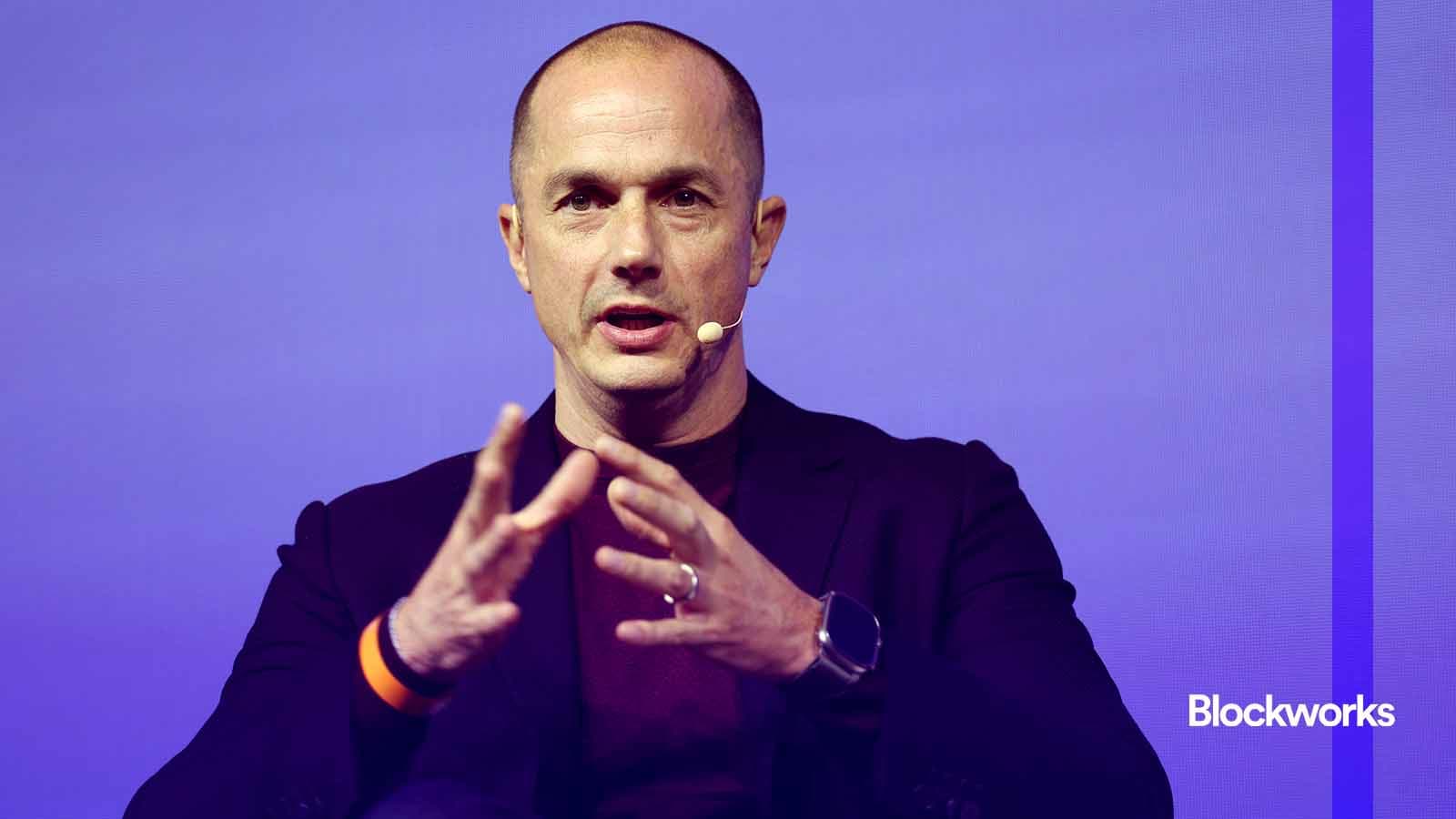
Mastercard Crypto SVP Christian Rau | DAS London 2025 by Blockworks
This is a segment from The Drop newsletter. To read full editions, subscribe.
At Blockworks’ Digital Asset Summit (DAS) this week, Mastercard’s crypto SVP Christian Rau and WalletConnect CEO Jess Houlgrave agreed that crypto still has to improve its user experience before the next wave of adoption can occur.
“For me, the bar in terms of user experience is really a tokenized debit card on my iPhone,” Rau told Blockworks’ Bennett Holloway. “The industry needs to mature and go in this direction.”
Houlgrave added that “we need an awful lot of investment” into crypto UX to make such improvements happen.
Rau shares my stance on the future of true crypto “mass adoption,” which is that most everyday people are never going to get behind the way the tech works and feels today.
He thinks maybe only 3-5% of people are willing to have a “crypto-first mindset” to deal with things like bridging assets or other crypto friction points that can spark confusion or incur wait times or extra fees depending on what’s being used.
For him, we’re still in the “mp3” phase of crypto UX — a place where technical glitches happen more than they should, in the time before the iPod really changed things for music. To an extent, I think he’s right.
“The user experience needs to be more at the center of discussion, and I feel that this is really what the industry is also recognizing,” Rau said.
But crypto UX has already improved massively since the 2021 bull cycle. We’ve seen MetaMask, once the clunkiest of wallets, take UX seriously. We’ve seen single sign-on wallet tech emerge as an easy way to quickly log in and create a custodied wallet using just an email address or a social media account.
There are also places where I’d disagree with Rau. Because he’s an exec at Mastercard, he does have faith in the current payment rails that exist.
“If we embed this almost as a new engine into traditional financial services that work very very well, I think that can be a very potent mix,” he said of blockchain tech.
I just wouldn’t go that far in saying that TradFi systems work “very very well.”
Domestic wire transfers typically take less than one business day, while international wires can take up to five business days. These also won’t happen on holidays, and even during the week, some banks may stop taking transfers a few hours before they close.
Existing TradFi rails cost consumers more fees than they should, and they take longer than they should. This is partly due to regulation, but it’s also partly due to the existence of middlemen who slow things down.
Crypto can fix this — though I’m concerned that TradFi’s big push into stablecoin payments could ultimately result in crypto for the masses becoming more of the same.
Some crypto natives might like to harp on about how fees are essential for propping up validators. Sure, that’s true. But there are a whole lot of TradFi players looking to get in on crypto payments as middlemen who may charge their own extra set of fees on top.
I’m a bit worried, long-term, that this new era of TradFi coming into crypto will result in many of the same problems consumers already face in traditional banking.
Instead of TradFi leaving their old ways behind, they may bring their problems to us.
Or, those fees could balance out if they offer yield to users.
But as Houlgrave said during the panel, the crypto industry seems to be really good at solving one problem, only to create a few more for itself.
If the fees just get too damn high in whatever new system is coming our way, it’ll be up to the 3% to remind everyone that peer-to-peer payments exist — and they can be faster.
Get the news in your inbox. Explore Blockworks newsletters:
- The Breakdown: Decoding crypto and the markets. Daily.
- 0xResearch: Alpha in your inbox. Think like an analyst.