Lawmakers butt heads on role of crypto in terrorist financing
The Financial Services Committee’s Subcommittee on Digital Assets gathered Wednesday to hear from industry advocates and skeptics about the current state of cryptocurrency and criminal funding
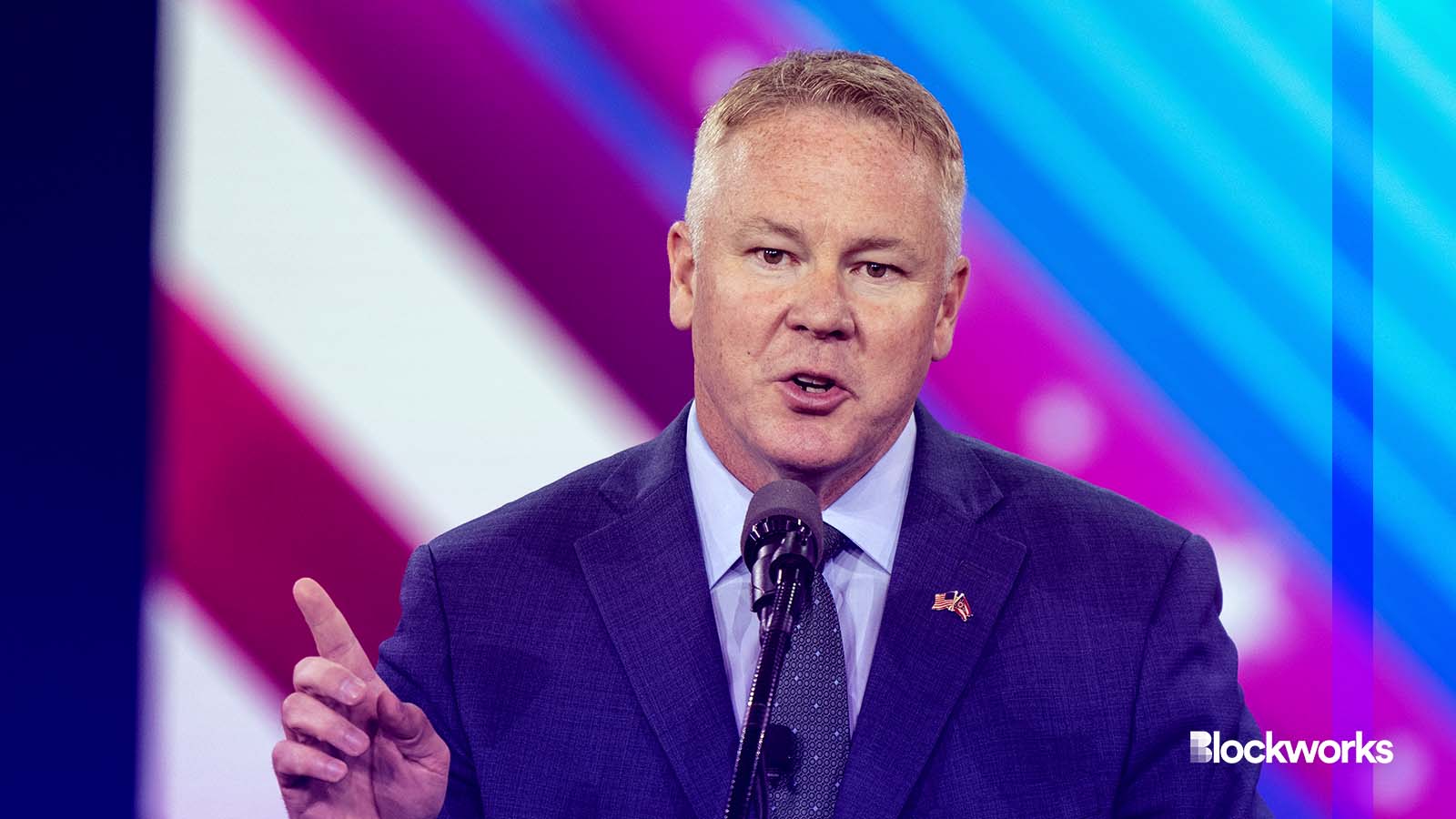
Congressman Warren Davidson | lev radin/Shutterstock modified by Blockworks
Members of the House Financial Services Committee clashed Wednesday in Washington over how – and how often – cryptocurrencies are used in illicit financing.
The Financial Services Committee’s Subcommittee on Digital Assets, Financial Inclusion and Inclusion hosted a hearing Wednesday titled “Crypto Crime in Context: Breaking Down the Illicit Activity in Digital Assets.”
Industry leaders, legal minds and financial crime experts gathered to answer lawmakers’ questions on crypto’s role in financing illicit actors, including foreign actors, drug cartels and the terrorist organization Hamas.
Rep. Stephen Lynch, D-Mass., asked witness Alison Jimenez, president of Dynamic Securities Analytics, which specializes in crypto and money laundering, about how lawmakers should proceed in terms of policing illicit activities.
“We’ve had a number of bills come through this committee that, for instance, would take away jurisdiction from the SEC, [which has] been a primary mover in the space, and place it with the Commodities Futures [Trading Commission],” Lynch said.
Jimenez agreed, adding that while the SEC is the superior regulator in terms of expertise, even the greatest regulations in the world will not fully protect Americans, given crypto’s international nature.
“The SEC has a lot more broad experience investigating financial crimes, compared with the CFTC,” she said, adding that while the CFTC only gets a hundred or so Suspicious Activity Reports (SARs) a year while the SEC handles tens of thousands.
“I’m concerned that we might have great rules, and if the US institutions follow them that’s wonderful, but US citizens and customers will still be victims… [crypto] is not going to stop being a useful tool for criminals,” Jimenez said.
Rep. Warren Davidson, R-Ohio, disagreed, adding at the end of his five-minute allotted time slot that a high number of SARs does not correlate to an industry’s actual crime rates, as Jimenez had suggested.
“I wish I had longer with each of you, and in particular debunking the idea that lots of SARs equals lots of illicit activity,” Davidson said in closing.
Other witnesses presented different takes, adding that crypto’s transparent nature, combined with existing regulations, make enforcement easier.
It’s important to balance “combating criminal activity and preserving some of the fundamental rights in the US that we hold dear, which includes privacy,” Jane Khodarkovsky, partner at Arktouros and former federal prosecutor, told members.
“There are ways for law enforcement to investigate and trace assets on the blockchain because of its traceability and immutability even if individuals are using self-hosted wallets because they will interact, under our current US robust AML framework… with on-ramps.”
Plus, Jonathan Levin, co-founder and chief strategy officer at Chainalysis, noted, private and public industry partnerships can only enhance the government’s ability to crack down on criminals.
“The government has come a long way since I first testified in front of this committee on being able to actually leverage this type of technology,” Levin said. “There’s a lot more that can be done with proactive detection and data that I think the government needs to take extra steps in order to prevent… terrorist financing.”
The hearing comes alongside a bipartisan letter 57 members of Congress sent to President Joe Biden and Treasury Secretary Janet Yellen Wednesday asking for more information on how Hamas is funded and the role of crypto in financing their operations.
“As Congress seeks to eliminate the pathways for terrorist financing to protect both our interests at home and abroad and those of our allies, we need greater context around Hamas’ operations,” lawmakers wrote in the letter. “This is particularly critical given the conflicting reports we have on Hamas’s fundraising campaign from blockchain analytics firms.”
Get the news in your inbox. Explore Blockworks newsletters:
- The Breakdown: Decoding crypto and the markets. Daily.
- 0xResearch: Alpha in your inbox. Think like an analyst.