‘Grumpy Cat’ Creator Sends Cease-and-Desist NFT to Memecoin Issuer
A Grumpy Cat memecoiner finds out what happens when copyright owners don’t approve of cryptocurrencies using their creations
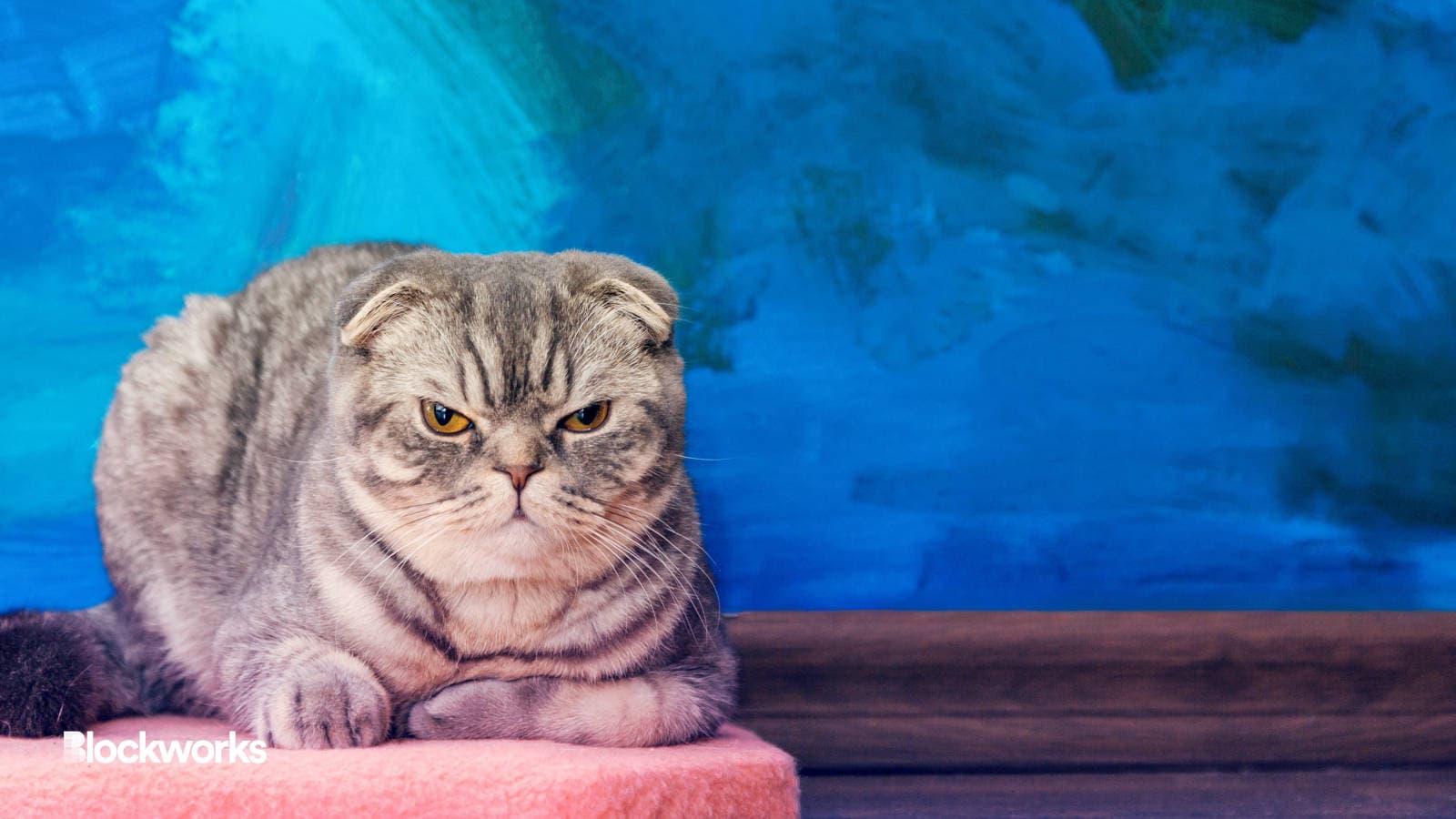
Photo_mts/Shutterstock modified by Blockworks
The creator of the Grumpy Cat meme has issued a cease-and-desist letter to Twitter user “SlumDOGE millionaire,” urging him to refrain from pushing a memecoin that potentially violates their intellectual property rights.
An official letter was issued to Glauber Contessoto via NFT last week addressing promotion of a token named GrumpyCat, which it sees as engaging in clear and intentional infringements.
The letter states Grumpy Cat Limited has neither authorized nor provided consent for the use of its trademarks in association with this particular cryptocurrency offering.
In a tweet on Tuesday, the creator of the Grumpy Cat meme called out Contessoto for endorsing unauthorized offerings that continue to infringe on GCL’s intellectual property rights. The tweet described these endorsements as a “sad attempt” to scam unsuspecting traders.
“Do not be fooled by these scammers or their lies. No legal issues have been resolved. GCL will never approve such scam coins,” the creator said.
The tweet followed Contessoto’s claim that the intellectual property concerns surrounding the Grumpy Cat token had been resolved. Etherscan shows the project has around 2,900 holders (Blockworks urges due diligence when interacting with memecoins, always do your own research!)
Meme creators typically don’t have copyright control over their creations, but the original copyright holders of the material used in memes can take action against memecoins or other uses of their copyrighted content.
“Pepe the Frog” Matt Furie famously sued Alex Jones’ Infowars over its sale of posters featuring the meme, winning a $15,000 settlement in 2019. A memecoin leveraging the popularity of Furie’s Pepe the Frog recently made headlines for attracting significant investor interest.
While memecoins struggle with the concept of copyright, leveraging NFTs as a means of serving legal documents is becoming more common, particularly when faced with the challenge of unknown or unverifiable identities
Last week, Loevy & Loevy attorney Mike Kanovitz demanded a settlement pseudoynmous memecoin creator Ben.eth via an NFT, alleging wire fraud during a $7 million token pre-sale.
In a separate instance this year, a US judge ordered an anonymous group of hackers to reimburse one of their victims with $1 million USDT.
This ruling, which took place in the Southern District of Florida, upheld the plaintiff’s decision to use NFTs to deliver the legal documents to the unidentified hackers.
Get the news in your inbox. Explore Blockworks newsletters:
- The Breakdown: Decoding crypto and the markets. Daily.
- 0xResearch: Alpha in your inbox. Think like an analyst.
