Galaxy Launches New Institutional Solana Fund to Track Bloomberg Index
Galaxy Digital is leaning into institutional interest in DeFi with a new Solana fund
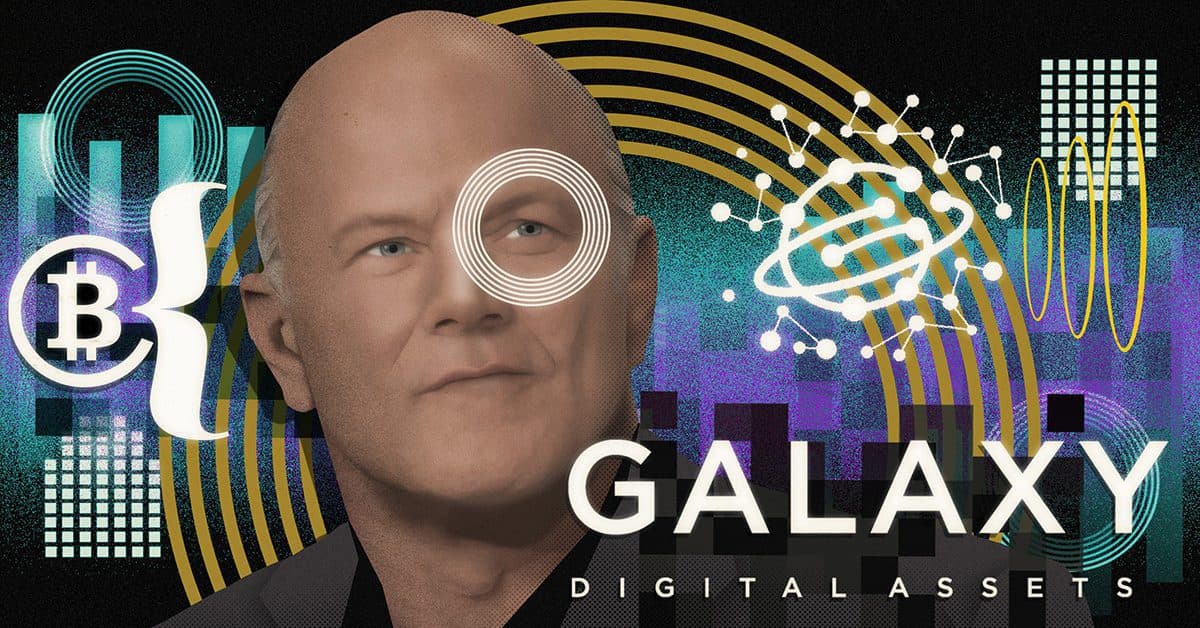
Mike Novogratz, Galaxy Digital; Blockworks Exclusive Art by Axel Rangel
- Galaxy Digital announced the launch of the Galaxy Solana Funds Wednesday, with a minimum investment of $25,000
- The fund is passively managed and will track the new Bloomberg Galaxy Solana Index
Galaxy Digital has launched an investment fund for Solana, the Ethereum competitor whose native token SOL is up more than 9,000% this year, the company announced Wednesday.
Galaxy Solana Funds, designed for institutional investors, is passively managed and will track the performance of the Bloomberg Galaxy Solana Index, which launched in November (ticker: SOL). The minimum investment will be $250,000, according to Galaxy.
“The crypto economy is on an exciting growth trajectory, and we’re meeting the opportunity by thoughtfully expanding our product suite to provide access to the institutional-grade portion of the digital asset class,” said Steve Kurz, global head of asset management at Galaxy Digital. “Solana has a compelling use case, a strong technological foundation, and is of increasing interest to crypto investors.”
The news comes as Solana has exploded in popularity in recent months, amid rising concerns about Ethereum’s high fees and slow transaction speed. Solana, which launched in March 2020, is advertised as the fastest programmable blockchain. The network can handle 50,000 transactions per second and hosts over 400 DeFi, NFT and other Web 3.0 projects, according to the platform.
“We’re consistently looking for opportunities in the ever-evolving crypto markets, and it’s clear that Solana is growing quickly in the space,” said Alan Campbell, global head of product for Bloomberg’s multi-asset Index business, in a statement. “This new index is another opportunity to meet the actively engaged institutional market, and we’re excited to continue working closely with an industry leader like Galaxy as we expand our crypto capabilities and offerings.”
Despite the recent sell off that saw ETH lose 17% in the past month, the second largest cryptocurrency remains up more than 500% over the year, according to data from Coin Gecko. Solana’s SOL token is down about 31% in the same period.
Growing investor interest in decentralized finance tokens is only going to continue to grow, experts anticipate.
“Since digital assets have consistently outperformed traditional asset classes, we predict that investors will see allocation to digital assets as a part of their risk management strategy — especially given the increasingly inflationary economic environment and the declining bond yields,” Loukas Lagoudis, executive director at Ark36. “On that note, we also expect that Ethereum will continue to gain ground against Bitcoin, at least in the medium term, as its importance for institutional investors will continue to grow.”
Galaxy’s fund launch comes weeks after Grayscale launched its Grayscale Solana Trust, which is available to accredited individual and institutional investors.
Get the day’s top crypto news and insights delivered to your inbox every evening. Subscribe to Blockworks’ free newsletter now.
