The future of finance? TradFi plus DeFi
Leaders on both sides of the divide will need to develop new skills to fully harness new tech innovations
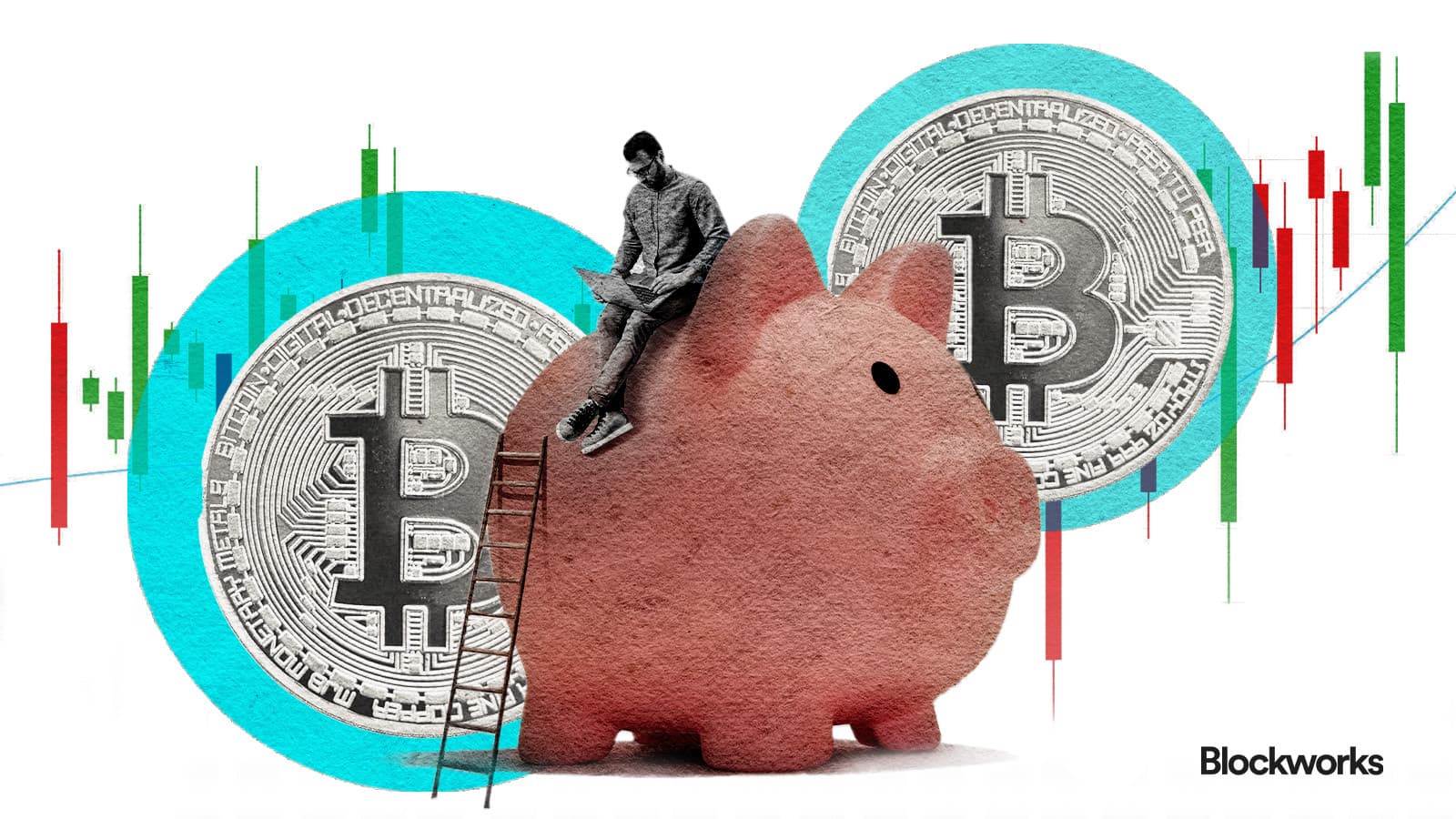
Artwork by Crystal Le
The blockchain industry started as a revolutionary response against traditional finance and social norms. The first block of Bitcoin even contained this message — “The Times 03/Jan/2009 Chancellor on brink of second bailout for Banks” — a reference to the British government’s potential bailout of banks right after the 2007–2008 financial crisis. It’s a message that clearly underscores Bitcoin’s anti-establishment beginnings.
It’s then unsurprising that both worlds were initially built separately. In the early days, only a few traditional finance leaders explored blockchain and digital asset opportunities. Their teams were small and operated in siloed environments from the core organization. At the same time, a new breadth of leaders were quietly building what is nowadays called decentralized finance.
However, as time progressed, a fascinating shift occurred. Both worlds, once distant, started to become increasingly interested in each other, exploring concepts and innovations. Regulators started testing AMMs (automated market makers, a DeFi innovation) for traditional cross-border payments under Project Mariana. Stablecoins pegged to fiat — an innovation from the DeFi world that leveraged the stability of traditional finance — emerged and were used for traditional remittances in emerging markets.
Today, the landscape has dramatically changed. Traditional finance players are no longer passive observers, but are instead active participants in blockchain innovation. BlackRock’s CEO, for instance, has been vocal about the potential opportunities in tokenization. His words were backed by actions, including the issuance of a bitcoin ETF, the launch of a tokenized fund, BUILD, and investment into Securitize (a tokenization platform).
On the DeFi front, many protocols are considering, or have already registered, as entities to engage with traditional finance. While regulations do not currently cover DeFi projects, this will change soon to require such projects to adopt more stringent controls, checks and risk management practices. Soon, DeFi projects may have to run and operate closer to traditional finance more so than they envisioned under plans of decentralization and openness.
Unquestionably, both worlds are getting intertwined. The future of finance will be a convergence of traditional finance and DeFi.
Blockchain infrastructure will be used by a number of banks, asset managers, insurers and exchanges. Cryptocurrencies will be considered a new investment asset class held as an investment or even built into pension funds. Tokenized assets will be traded on blockchain and used as collateral for loans and other financial needs. Most individuals won’t even know if they are using blockchain or not, the same way they don’t know if their bank is using cloud or on-premise solutions.
Blockchain will simply become another technology in the financial industry toolkit alongside AI, cloud, robotic process automation and quantum computing. And as this integrated world evolves, traditional finance leaders will need to develop technology skills to harness new innovations and technologies fully, while DeFi leaders will need to gain a deeper understanding of finance regulation, risk management and compliance.
Although the future may not look like the original vision of decentralization and disruption, the reality is that blockchain and crypto have already accomplished so much in finance. DeFi and blockchain pioneers were able to challenge the concept of money with the introduction of cryptocurrencies and stablecoins, even upsetting traditional corporate hierarchies with the introduction of decentralized governance models like DAOs.
It’s clear that the convergence between traditional finance’s regulatory framework and finance expertise — combined with the groundbreaking inventions pioneered in DeFi — will continue to drive innovation and efficiency in the financial services landscape.
Get the news in your inbox. Explore Blockworks newsletters:
- The Breakdown: Decoding crypto and the markets. Daily.
- 0xResearch: Alpha in your inbox. Think like an analyst.
