House Republicans ‘express concern’ over the Fed’s new crypto oversight program
McHenry says that the new program will ‘deter’ banks from participating in digital asset ecosystem
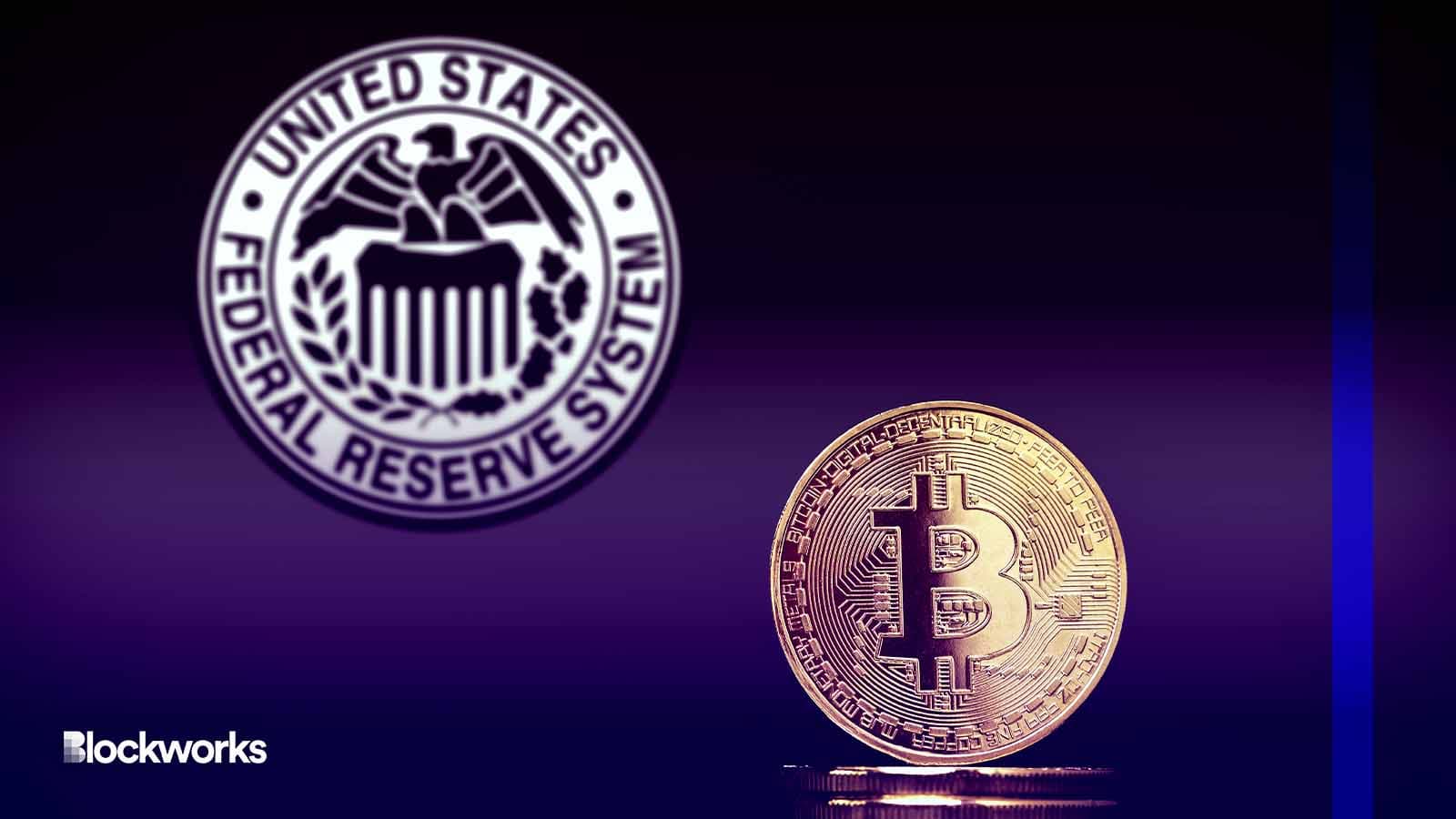
JOCA_PH/Shutterstock modified by Blockworks
A group of Republican members of the House Financial Services Committee has accused the US Federal Reserve of undermining efforts to develop federal rules for stablecoins.
Chair Patrick McHenry, R-N.C., penned a letter to Federal Reserve Chair Jerome Powell that argued the Fed’s recent oversight expansion into crypto-related activities at banks could impede regulatory progress.
The letter comes after the Fed announced new programs on Aug. 8 with the goal of enhancing oversight into crypto-related activities at American banks, including state member banks.
The Fed aims to “enhance the supervision of novel activities” such as “crypto-asset custody, crypto-collateralized lending, facilitating crypto-asset trading, and engaging in stablecoin/dollar token issuance or distribution” in its program outline.
“If these letters are left in place, they will undoubtedly deter financial institutions from participating in the digital asset ecosystem,” McHenry and a few other members said in a letter dated Aug. 23.
Reps. French Hill, R-Ark., and Bull Huizenga, R-Mich., also signed the letter.
Congress should be the one to implement the framework, the letter’s authors contended, because they can “provide certainty for market participants.”
“Furthermore, the Novel Activities Supervision Program created under SR 23-7 appears designed to impose additional regulatory burdens on banking institutions to engage with crypto-assets and to provide the Fed with additional tools to deny crypto-asset related activities,” McHenry wrote.
As Blockworks previously reported, Congress may be able to overrule the Fed’s program if the bill continues to advance. So far, the measure has advanced through the House Financial Services Committee.
Committee Democrats voiced objections to the bill during a heated debate earlier this summer.
McHenry asked the Fed to provide answers to a handful of questions about its evaluation process and how it plans to approach state bank proposals.
Through the program, state member banks are required to receive written approval from the Fed before they use distributed ledger technology (DLT) or “similar technologies to conduct payments activities as principal, including by issuing, holding, or transacting in dollar tokens.”
The Fed was also asked to provide materials and records used to prepare the program ahead of its Aug. 8 release. Powell has until Sept. 29 to answer McHenry, per the letter.
Get the news in your inbox. Explore Blockworks newsletters:
- The Breakdown: Decoding crypto and the markets. Daily.
- 0xResearch: Alpha in your inbox. Think like an analyst.
