Fed’s preferred inflation reading is as expected, but shows prices are sticky
The Fed’s preferred inflation gauge showed that prices increased 0.2% from September and 2.3% annually
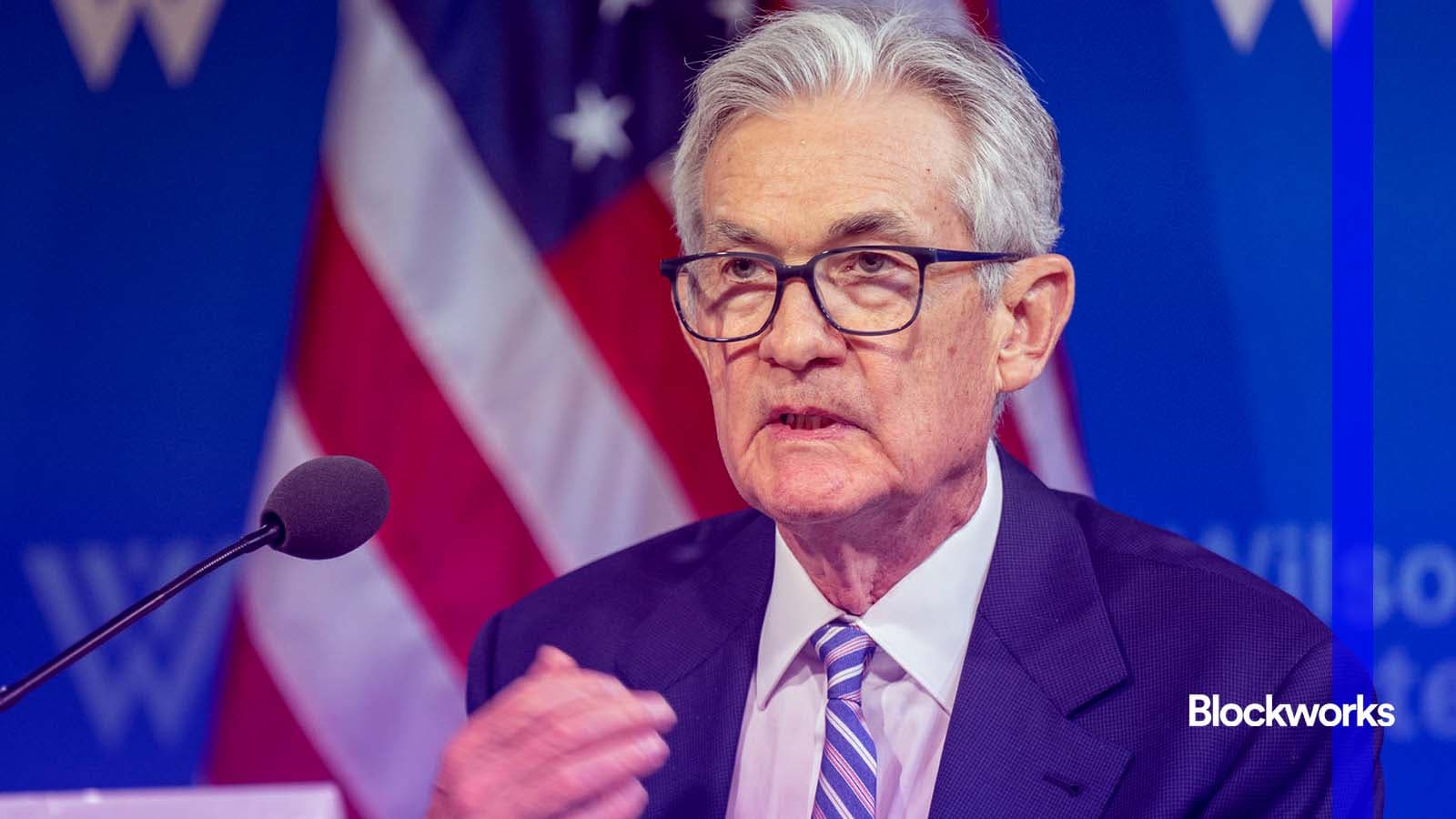
Federal Reserve Chair Jerome Powell | Federalreserve/”CP_Canada_Wilson-Center_04162024-5200″ (CC license)
This is a segment from the Forward Guidance newsletter. To read full editions, subscribe.
The Fed’s preferred inflation gauge rose as expected in October, showing that prices increased 0.2% from September and 2.3% annually. The year-over-year increase is a slight uptick from September’s annual PCE figure of 2.1%.
Core PCE, which excludes volatile food and energy prices, came in 0.3% higher month over month in October and 2.8% higher annually. It’s the highest annual core PCE reading since April. In the 12 months ended September, core PCE increased 2.7%.
Odds of a 25-basis point interest rate cut in December increased on Wednesday’s PCE report (coming in at 66.5%, up from 59% on Tuesday). Minutes from the Fed’s last meeting, released Tuesday, showed that committee members are open to easing interest rates at a slower pace if inflation proves persistent.
Still, some economists anticipate FOMC officials will pump the breaks, opting to hold off on any more cuts this year.
“We’re still running a bit hot, so the result of that is we’re going to have inflation higher than target,” S&P Global chief economist Paul Gruenwald told Yahoo Finance this morning. “So, the Fed’s going to keep the foot on the break and keep rates higher for longer.”
Today’s PCE report comes as the labor market continues to show strength. Initial jobless claims once again came in lower than expected last week at 213,000, marking the lowest level since April. The figure for the week ended Nov. 16 was upwardly revised from 213,000 to 215,000.
Fed officials had originally expected to end 2024 25bps lower than where interest rates currently stand. But given these latest data reports, we wouldn’t be shocked if they opted to pause.
On the other hand, committee members are likely starting to consider how a second Trump term is going to impact the economy, so perhaps they feel more inclined to head into 2025 a bit lower. We’ll have to wait and see.
Get the news in your inbox. Explore Blockworks newsletters:
- The Breakdown: Decoding crypto and the markets. Daily.
- 0xResearch: Alpha in your inbox. Think like an analyst.
