US equities slide as trade war escalates, Powell signals no rate cut
Tariff and interest rate concerns overshadowed a positive March jobs report
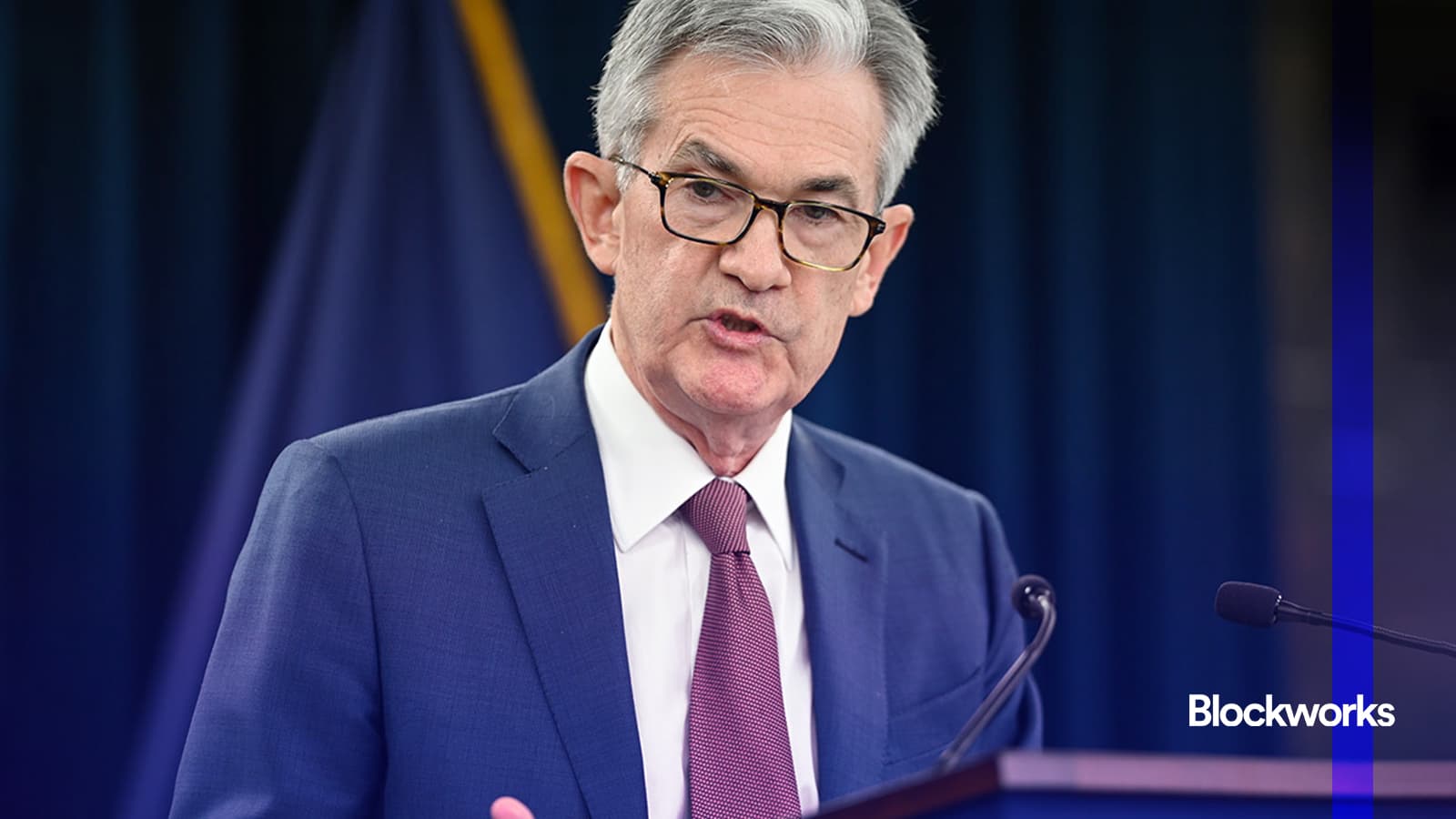
Federal Reserve Chair Jerome Powell | Federalreserve/”October 2019 Federal Open Market Committee Press Conference_NZ70071″ (CC license)
This is a segment from the Forward Guidance newsletter. To read full editions, subscribe.
Phew, it’s been a week.
Most people expected things to get worse before they got better, and they have. But we’re not calling this the bottom yet.
Here’s a high-level recap, in case you’ve been offline the past few days, or simply avoided checking your brokerage account (probably for the best):
President Trump this week announced sweeping global tariffs of 10% on all imports, and higher levies on 60 or so countries the administration says are the “worst offenders” when it comes to taxing goods the US exports.
These higher tariffs range from 11% to 50%. Countries facing the highest tariffs include Cambodia (49%), Vietnam (46%), China (34%) and India (27%). You can find the full list here.
His team calculated reciprocal tariffs based on what they are calling the “total sum of all unfair trade practices” by country. Here’s the White House’s formula: a country’s trade deficit divided by its exports to the US multiplied by 0.5.
The math has proven to be controversial. Critics say that this method, in focusing solely on a country’s trade deficit with the US, does not consider (1) the actual tariff rate on any product, and (2) non-tariff trade barriers. The White House conceded that there’s no perfect formula, but it’s the best they could do.
The Trump administration also maintains that the reciprocal tariffs are still less than what other countries charge on US imports, and that these policies are the first step in bringing manufacturing back onshore.
Now for the impact:
Stocks tanked, crypto fell, planned M&A deals and IPOs collapsed, and other countries are striking back.
The Dow Jones Industrial Average on Thursday, the first day of trading post-announcement, lost 1,679.39 points. The S&P 500 yesterday closed almost 5% lower, now down more than 12% year-to-date. US equities as a whole lost more than $3 billion in market value, the worst single-day since 2020.
Fed Chair Jerome Powell on Friday gave no indication that interest rate cuts will come anytime soon, adding to the turmoil in markets. “The economy is still in a good place,” he said, speaking from an event in Virginia. He added, though, that central bankers will be keeping an eye on tariffs.
I wrote yesterday that the IPO window would be closing. Today, Bloomberg reported that StubHub, Klarna Bank, and MNTN have all paused their IPO plans. Private equity firm KKR & Co. is no longer considering purchasing German packaging producer Gerresheimer.
Today, stocks extended their selloff and the VIX hit a staggering level just shy of 44, well above the 20-day moving average of 21. The continued decline comes as China announced a 34% reciprocal tariff on US goods starting on April 10.
Trump hasn’t backed down, although his team hasn’t definitively said they are closed to negotiations. I think the biggest concern for markets, though, is that other countries haven’t immediately come forward with offers (that we know of, at least!).
For what it’s worth, Trump and company did say things would get worse before they got better.
Enjoy your weekend. The chaos will still be here Monday.
Get the news in your inbox. Explore Blockworks newsletters:
- The Breakdown: Decoding crypto and the markets. Daily.
- 0xResearch: Alpha in your inbox. Think like an analyst.
