Crypto miners keep stealing from this state power company
If found guilty of stealing power, those involved could face a maximum prison sentence of five years, plus fines
Mark Agnor/Shutterstock modified by Blockworks
Crypto mining is extremely competitive, and the winning edge usually comes down to access to cheap electricity. Some miners in Malaysia are hellbent on finding energy so cheap that it’s free.
Sarawak Energy, one of Malaysia’s state-owned electric companies, is accusing cryptocurrency miners of persistently stealing electricity to power their rigs and has pledged to root out thieves.
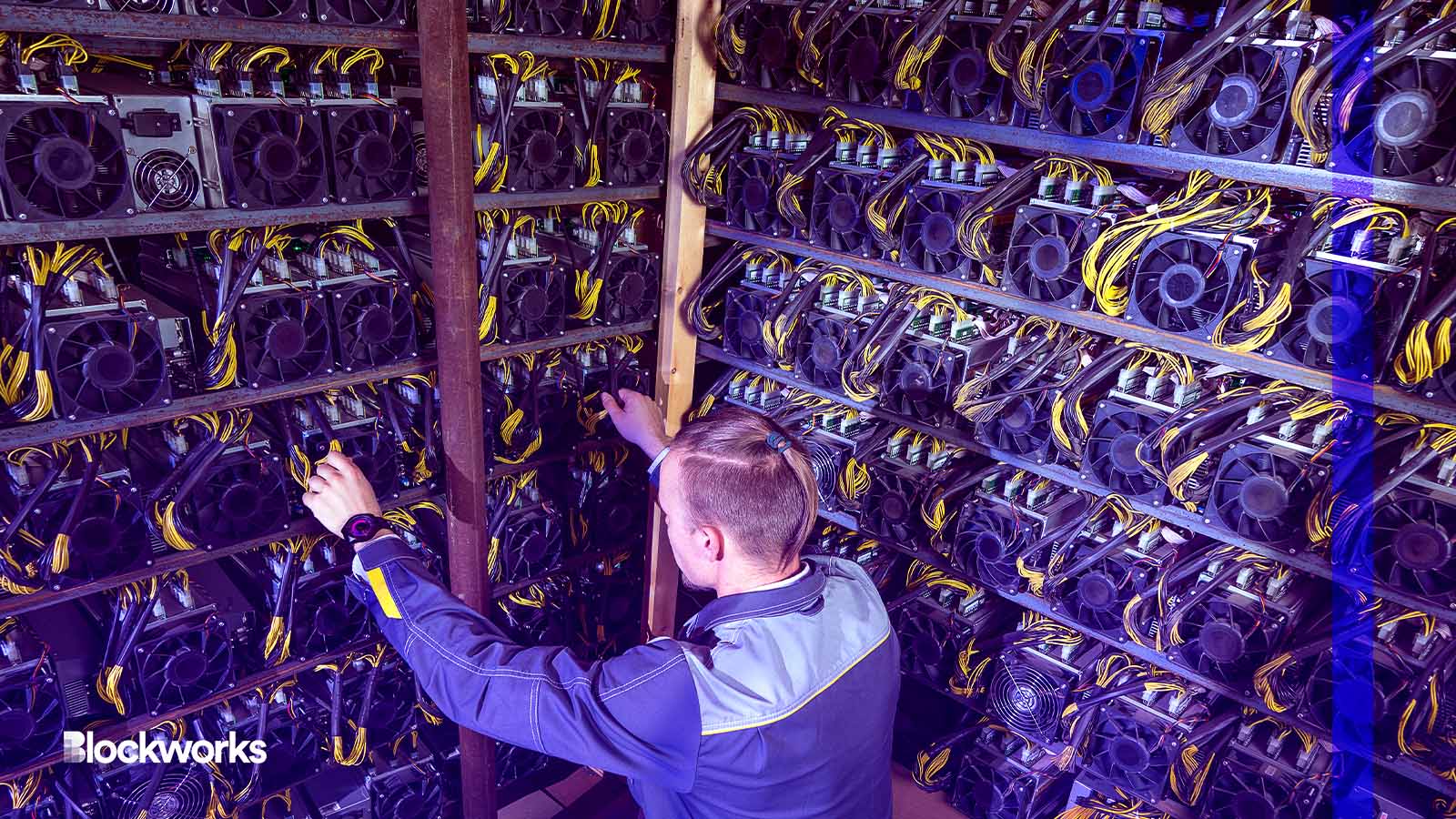
In a recent joint operation with police, Sarawak Energy busted two mining outfits supposedly stealing 30,000 Malaysian ringgits (about $6,500) worth of electricity per month. The utility company also claimed these two mining operations were in cahoots and run by the same person or entity.
All up, 120 machines, direct tapping cables and other electronic gadgets were seized as evidence for the investigation, local outlet Malaymail reported.
Which cryptocurrency was being mined wasn’t disclosed, but bitcoin (BTC) remains the most popular among mining operations after Ethereum switched to proof-of-stake last year.
The energy company explained how those who divert electricity illegally attempt to get away with it by fraudulently altering devices. They tamper with electricity meters, produce fake meter covers and tap into power lines that are underground.
“To mitigate the high operational costs, cryptocurrency miners often resort to non-standard installations that can overload the electrical system,” Sarawak Energy said in a statement, “This poses increased risks of short circuits, appliance damage, fires and potential loss of life.”
Stealing electricity to mine bitcoin can lead to prison
Bitcoin mining does have extremely high costs associated with it, particularly electricity. The extent of profits taken is highly dependent on the price of bitcoin.
Bitcoin has gone on quite a ride since its nearly $69,000 all time high in November 2021. Now bitcoin trades for less than half that — even after almost doubling year to date — putting pressure on miners with tight operating margins and expensive debt.
For plucky Malaysia-based crypto miners caught stealing electricity to remain profitable, the penalties are stiff.
Sarawak Energy quoted an electricity ordinance that says if someone is found guilty of stealing power, they could be sent to prison for a maximum of five years and/or pay a fine of 100,000 ringgits (about $21,400).
Stealing electricity to mine crypto is practically a worldwide phenomenon. In one instance, a man in England stole about $44,000 worth of electricity to run his mining machines and in 2021 was sentenced to one year in prison.
Local to the United States, a former employee of a Massachusetts school allegedly set up a mining operation in the crawl space of the school near the end of 2021. Court documents accused the man of stealing over $17,000 worth of electricity.
Get the news in your inbox. Explore Blockworks newsletters:
- The Breakdown: Decoding crypto and the markets. Daily.
- 0xResearch: Alpha in your inbox. Think like an analyst.
