Celebrities, Investors Scramble To Erase Evidence of SBF Ties
Politicians, regulators and athletes are attempting to distance themselves from FTX’s Sam Bankman-Fried as bankruptcy proceedings continue
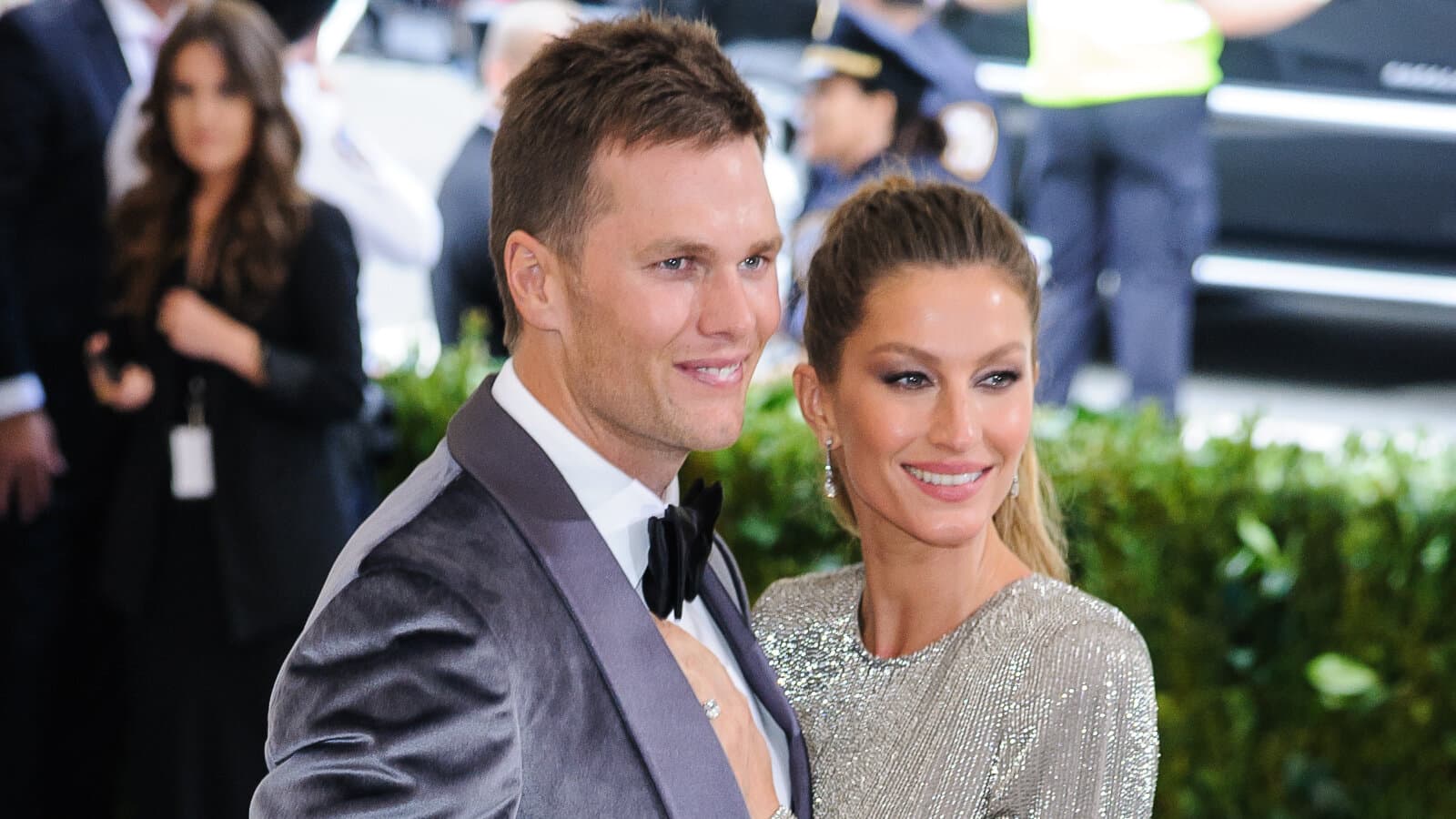
American football quarterback Tom Brady and Brazilian fashion model Gisele Bundchen | Source: Shutterstock
Sam Bankman-Fried, essentially, deceived everyone.
Celebrity backers. Politicians. Regulators.
Now, as industry participants parse the growing fallout of the collapse of his former cryptocurrency exchange, FTX, prominent figures are rushing to quietly erase evidence of once-chummy relationships with the alleged fraudster.
There’s precedent for this. CFTC Commissioner Caroline Pham, appointed in April 2022, deleted a tweet of a photograph with Bankman-Fried that she had posted shortly after she was sworn in. She did so just four days after tweeting it because, “this post became distracting from the key issues of their CFTC application,” her office told Blockworks in an email.
 Tweet deleted on April 24, 2022, originally posted by @EpsilonTheory
Pham went on to call for more stringent global regulations after FTX filed for bankruptcy during a Bloomberg appearance last week.
Others have begun damage control, more recently. The NFL’s Tom Brady — who in 2021 bought an equity stake in FTX with then-wife Gisele Bundchen — wiped all evidence of his ties to the company and Bankman-Fried.
Billionaire hedge fund manager Bill Ackman also joined in on the deleting spree, removing a supportive response to Bankman-Fried’s apology. Ackman quickly was hit by pushback — especially from digital asset-focused investors — for appearing too forgiving in the wake of the collapse.

Other celebrities have remained silent. Comedian Larry David, who famously starred in FTX’s alleged $30 million Super Bowl ad, has not made any public statements. And NBA star Steph Curry, a face of the brand who also holds an equity stake, has likewise gone dark.
Politicians who benefited from Bankman-Fried’s ill-gotten gains are also doing damage control.
Democrats Dick Durbin and Jesús “Chuy” García said they would donate the $2,900 they received from Bankman-Fried to undisclosed charities, according to a report from the Daily Beast. Republican David Schweikert pledged to give up his FTX-linked cash, which also amounted to $2,900.
As the now-defunct exchange and more than 130 affiliated companies continue with bankruptcy proceedings, the list of creditors lies somewhere between 100,000 and one million users and investors, according to regulators. Some hope remains, though.
“All may not be lost for FTX customers, and they may be able to recover 40% to 50% of their deposits,” Messari research analyst Kunal Goel wrote in a note Tuesday. “Sifting through FTX’s balance sheet, as shared by the Financial Times, shows that FTX may have up to $4 billion in realizable assets against $8 billion in customer deposits. Some broad assumptions must be made to calculate the realizable value of FTX’s assets.”
Representatives for those with FTX affiliations did not immediately return requests for comment.
This story was updated on Nov. 17 at 11:30 am ET to reflect that CFTC Commissioner Pham deleted her tweet prior to the FTX bankruptcy.
Get the news in your inbox. Explore Blockworks newsletters:
- The Breakdown: Decoding crypto and the markets. Daily.
- 0xResearch: Alpha in your inbox. Think like an analyst.
