Blockchain Gaming Giant Animoca Brands Halts Services to Russian Users
The move comes as Ukraine’s Vice Prime Minister Mykhailo Fedorov urged cryptocurrency exchanges to block addresses belonging to Russian users
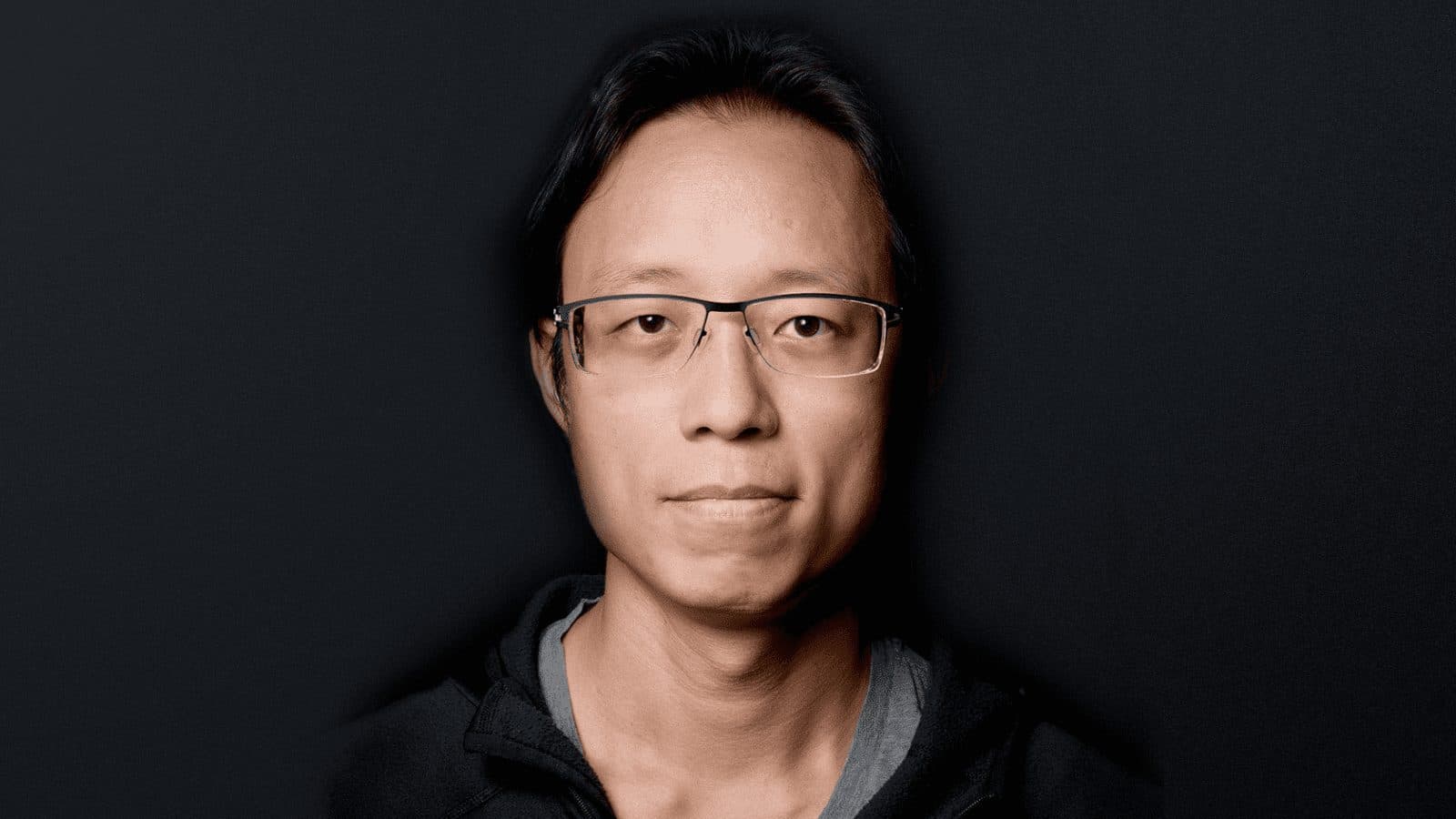
Animoca Brands co-founder Yat Siu | Source: Animoca Brands
- The gaming and metaverse giant said it wanted to avoid being “financially excluded” for fear of being associated with a sanctioned country
- It is unclear whether the company will block purchases of SAND, the utility token used within a metaverse produced by The Sandbox, Animoca’s subsidiary
Blockchain and metaverse gaming giant Animoca Brands decidedly cut ties with its Russian users on Tuesday, citing sanctions by Western powers over the Ukrainian invasion as justification.
According to a report by Bloomberg, Animoca will no longer provide its services to customers belonging to the former Soviet power by blocking users and restricting access to its shares.
The move comes as Ukraine’s vice prime minister and minister of digital transformation, Mykhailo Fedorov, urged cryptocurrency exchanges in a tweet Sunday morning to block addresses belonging to Russian users.
Crypto businesses have been weighing up a decision to follow through on the minister’s request, though most have reportedly decided not to pursue such measures. Animoca, by contrast, has become one of the few in the industry to comply.
It is unclear whether the company will attempt to block purchases of SAND, the utility token used within a metaverse produced by Animoca’s subsidiary The Sandbox. Animoca did not immediately respond to Blockworks’ request for comment.
On Feb. 24, Russian troops were ordered to cross into Ukrainian territory by President Vladimir Putin following weeks of US intelligence warnings. The invasion was swiftly condemned by most of the Western world which also moved to sanction major Russian banks, oligarchs and businesses.
Sanctions extended to Russian financial institutions’ use of the SWIFT interbank settlement system, hindering their ability to operate effectively within the global financial system.
In an interview with Bloomberg and cited in the report, Animoca co-founder Yat Siu said the company’s decision would likely affect subsidiaries such as Gamee and blockchain fitness company Lympo, although — given the low population of Russian users — it was unlikely the impact will be substantial.
“The legal advice we’ve been receiving is we now have to impose some restrictions,” said Siu. “It’s a sanctioned country on par with North Korea. The moment we end up doing business in those areas, we might ourselves become financially excluded from the financial system.”
Hong Kong-based Animoca was founded in 2011 with a focus on developing and publishing mobile games and applications. The company, which has since branched out to blockchain and artificial intelligence, has raised a total of $627.7 million in funding, according to data provider Pitchbook.
The company received $358.89 million of development capital in January via Liberty City Ventures, Delta Blockchain Fund and 10T Holdings, among others, boosting the company’s pre-money valuation to $5.44 billion.
That, in turn, had doubled from a $267.8 million private equity deal in October where Animoca was valued at $2.2 billion.
Get the news in your inbox. Explore Blockworks newsletters:
- The Breakdown: Decoding crypto and the markets. Daily.
- 0xResearch: Alpha in your inbox. Think like an analyst.
