How this bitcoin bull market stacks up against the others
Bitcoin has been in a bull market for 19 months. If March wasn’t the top, that is.
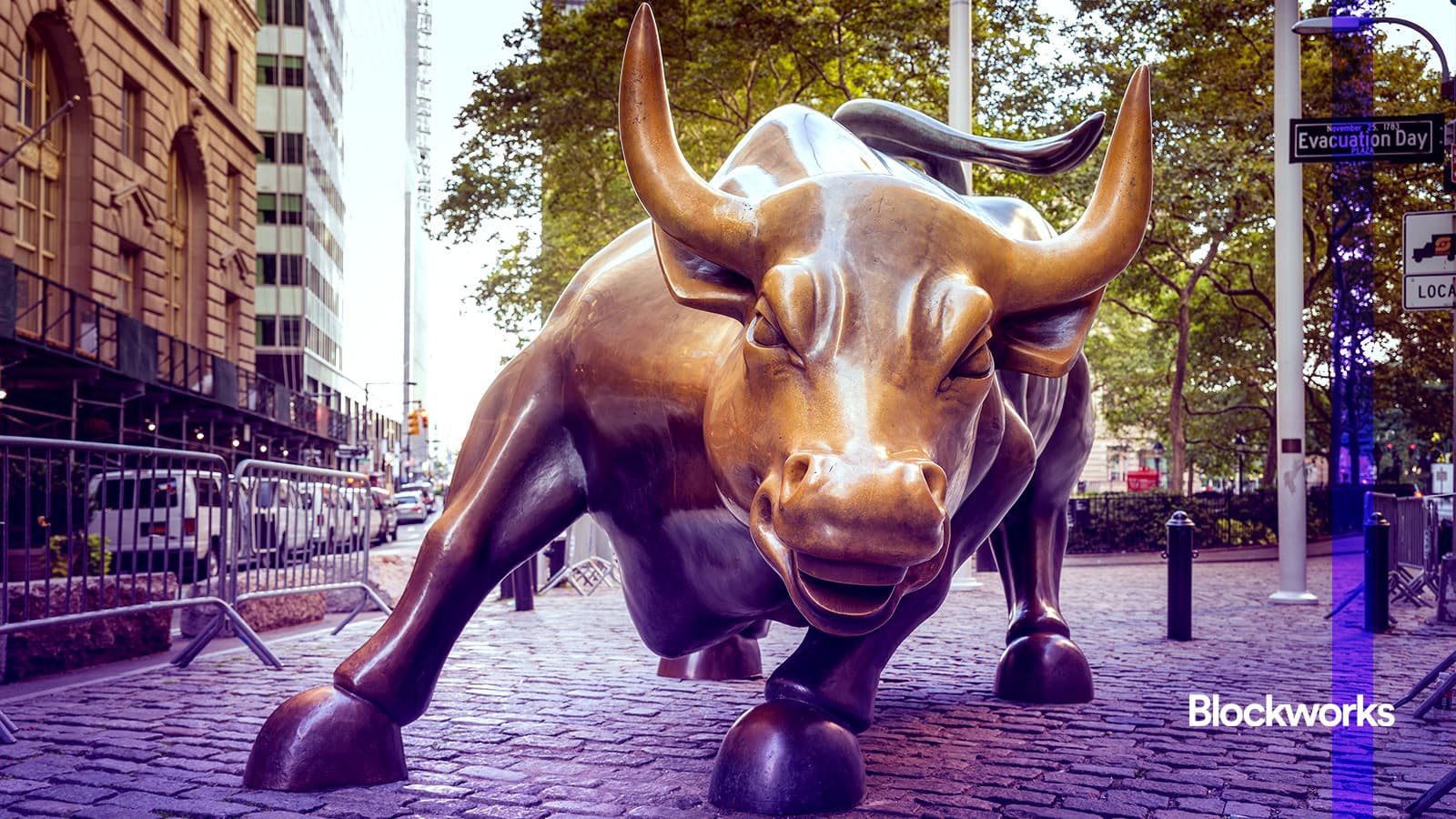
Stefano Politi Markovina/Shutterstock modified by Blockworks
If you believe in big fractal energy, the next few months will be totally decisive for bitcoin’s price.
For all we know, bitcoin’s all-time high of nearly $73,740 in March was the peak of our current cycle.
That would mean the bull market is over. Bitcoin and ether trading 5% lower today — sending practically everything else except stablecoins into the red — surely isn’t helping sentiment.
But the problem with markets is that you never really know when they’ve topped out.
Looking back, bitcoin’s all-time high in December 2017 was clearly the top for the next three years, even if altcoins continued to rally for another few weeks.
Read more: Empire Newsletter: Market madness arrives just in time for summer
And in March 2021, when bitcoin cleared $61,000 for the first time, it wasn’t set in stone that bitcoin would smash that by another 13% by November — only eight months later — after retracing by nearly half.
At some point, it became obvious that the bull market had run its course. Bears may have called it earlier than the bulls, but either way, the Terra implosion in the following May and the cascading liquidations and bankruptcies that followed were really the nails.
Read more: Terraform agrees to pay nearly $4.5B in proposed judgment with SEC
When it comes to prices, all we can really do is look backward. It’s been 585 days (~20 months) since bitcoin bottomed out in November 2022, which for convenience’s sake, we’ll call the start of our current bull market.
Using that very basic definition, the previous two bull markets hit their peaks after ~840 and 1,060 days. So, if we’re destined to repeat those periods — a big if — then we’re solidly in the second half of our cycle.
Bitcoin had, at this point in the past two seasons, gone 6x and 3x. Bitcoin has so far posted 4x returns since the bottom, even after the recent dip, placing it in the middle of its most recent bull markets.
That’s if bitcoin is still in a bull market. If bitcoin actually topped out in March, then this would’ve been the shortest bull cycle on record, not counting its first year of price discovery.
In the past two bull markets, most of bitcoin’s gains occurred over the following 200 days, going as much as 20x and 100x on their respective bottoms.
We know that returns are diminishing every cycle — so whatever bitcoin does from here may not be quite as explosive. That might have crypto investors itching for big profits elsewhere. Historically, altcoin seasons have helped bridge the gap.
But as is now well-documented, there has been no altcoin season so far this cycle, at least not in the same sense as previous periods.
Building on the definition outlined in a previous edition of the Empire newsletter, there have been three distinct altcoin seasons over the past seven years. Two coincided with Bitcoin halvings, with each of those running for around a year and a half and finishing up when BTC topped out.
A smaller altcoin season ran for almost seven months from the end of 2018 to halfway through the following year.
This time around, neither ETH or TradingView’s OTHERS index, which tracks the market capitalization of all cryptocurrencies outside the top 10, have returned to all-time high valuations since 2021.
Altcoin season either could be late — or just not coming — depending on how bullish or bearish you are.
Either way, this bull market has turned out very different from the others so far.
Get the news in your inbox. Explore Blockworks newsletters:
- The Breakdown: Decoding crypto and the markets. Daily.
- 0xResearch: Alpha in your inbox. Think like an analyst.
