Avalanche Foundation launches Visa credit card for IRL payments
The Avalanche Card lets you spend your crypto like it’s fiat
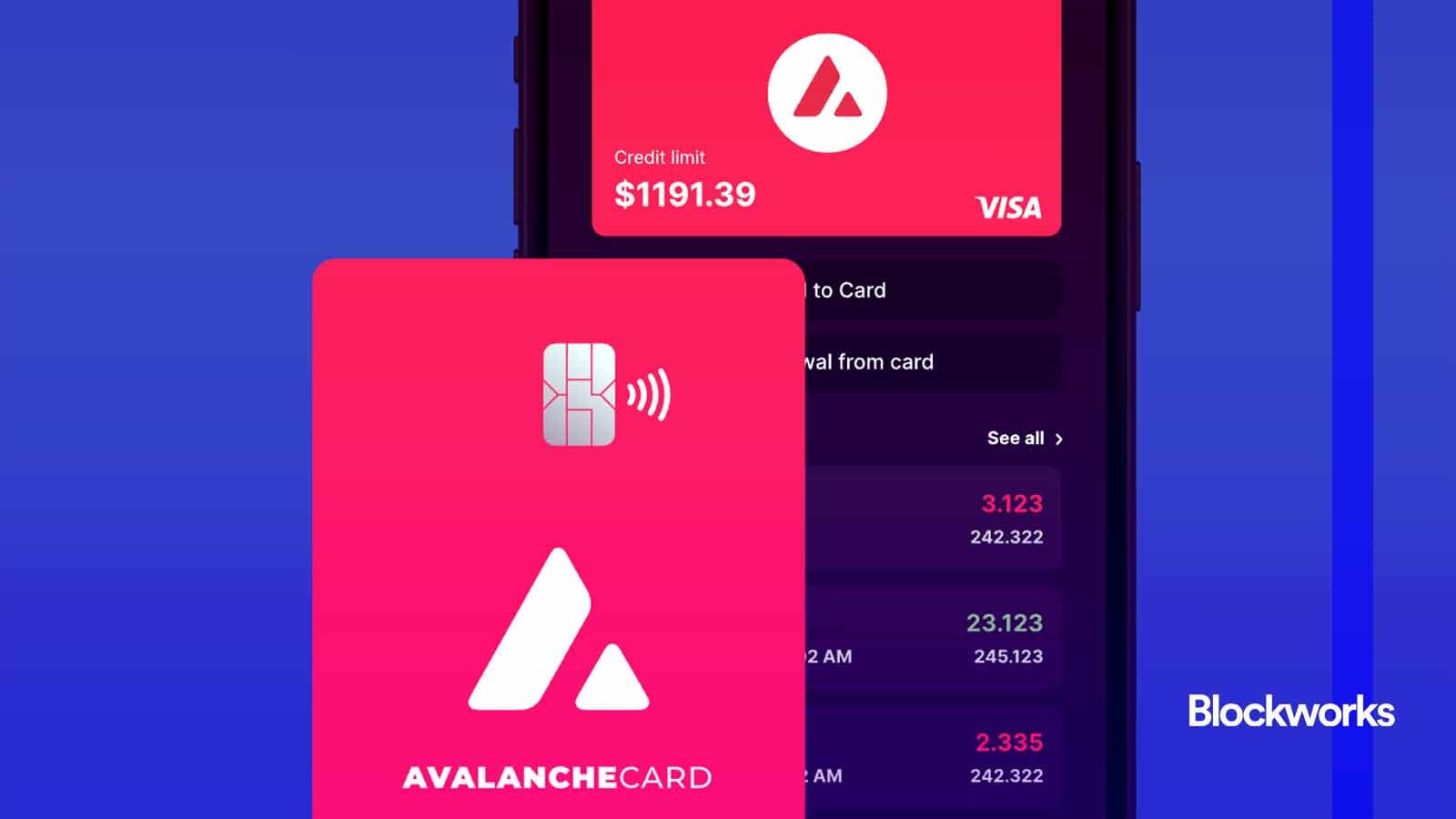
Avalanche Foundation modified by Blockworks
This is a segment from The Drop newsletter. To read full editions, subscribe.
The Avalanche Foundation has unveiled a payment card called the Avalanche Card, which lets you spend your crypto at fiat-only merchants.
Crypto: It’s not just magic internet money anymore!
I chatted with Eric Kang, Ava Labs’ head of DeFi and business development, to get a clear understanding of how exactly this card works. You aren’t paying merchants directly with crypto, so the card can be used anywhere that accepts Visa. But the crypto is ultimately sold using Avalanche’s C-Chain to pay for transactions that have already occurred with fiat.
“It took us a while to get this out,” Kang tells me. He sees it as an easy way for people to sell or use their crypto without having to go through a crypto exchange or DeFi platform.
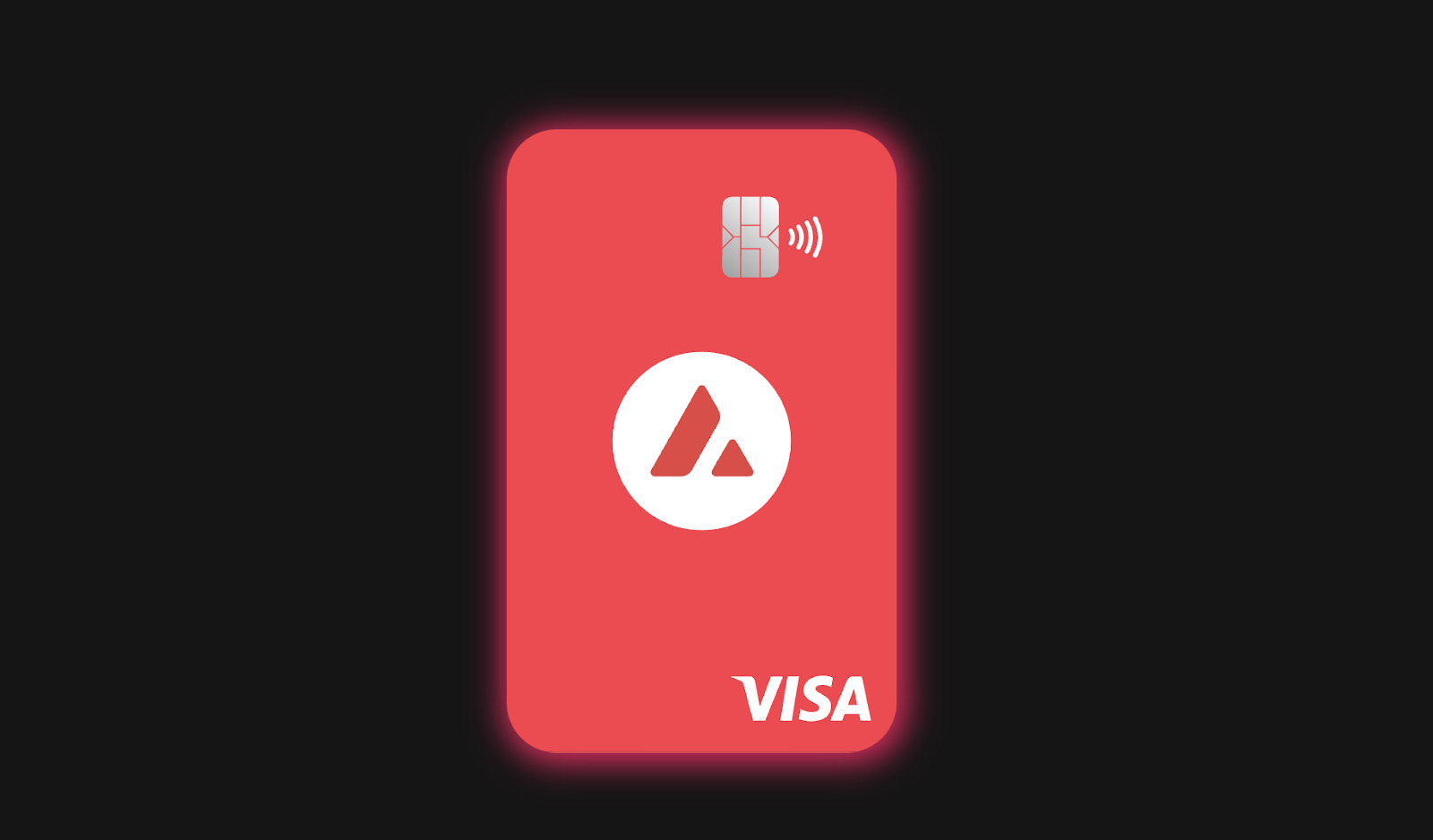 Source: Avalanche Foundation
It’s a bit like a mix between a prepaid card and a traditional credit card. You load it up with crypto — USDC, USDT, and AVAX are accepted, with plans to accept bridged bitcoin and potentially other tokens in the future.
Half the US dollar value of those cryptocurrencies is then considered to be your limit, to ensure padding for crypto price fluctuations. You can then use the card at any Visa-friendly merchant, and those charges are logged like a credit card.
Your crypto isn’t immediately sold when you make a purchase, though. Instead, the crypto is actually sold once a day at the same time (around 9 am ET) based on the past day’s charges before becoming transactions onchain.
Because it’s a credit card, you’ll need to hand over some personal information including your real name, address and social security number or other government ID number to get the card.
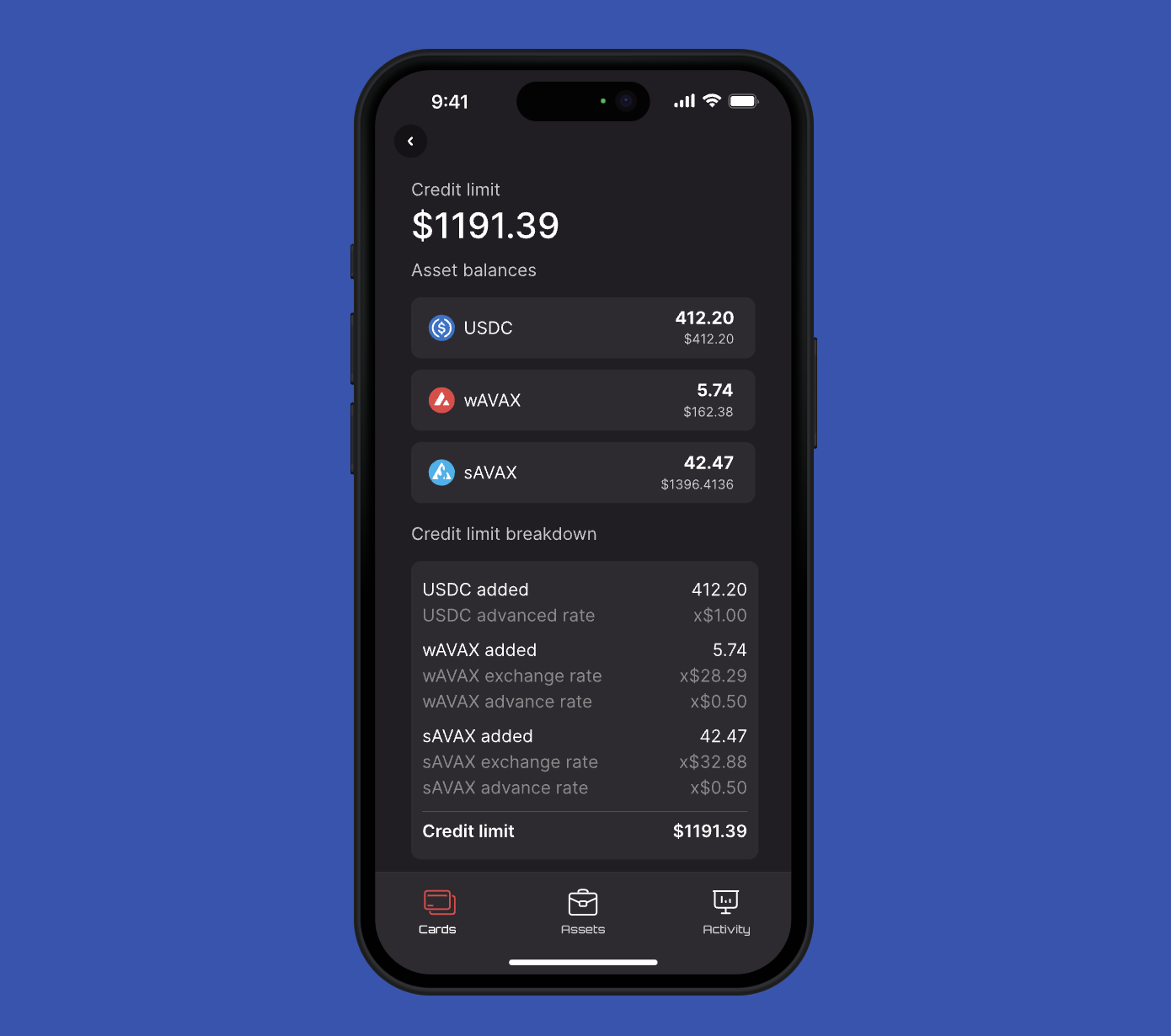 Source: Avalanche Foundation
You can also freeze the card, change your card’s PIN, dispute suspicious transactions and set up spending alerts. But because it’s crypto, your credit balance will fluctuate depending on crypto market prices.
Sorting out your taxes with this card could be a challenge if you’re making a lot of purchases. As of right now, selling crypto (even to make a purchase, except for stablecoins and USDC) is considered a taxable event. That could be a headache for some prospective users looking to spend their tokens like cash.
“We recommend that you speak with a tax professional regarding circumstances with the Avalanche Card,” the card’s site reads. “Spending against other crypto assets may involve selling your assets. Selling crypto assets can be a taxable event.”
If you’ve got a great crypto-savvy accountant, though, maybe that’s not the end of the world.
Tech firm Rain Liquidity is facilitating the card. When you load it up with tokens, your card will effectively be a new hot wallet, with addresses for each asset.
The card is being launched in 35 US states, with the remaining 15 off the list due to regulatory reasons. The card is also available in Latin America and the Caribbean.
If you’re a resident or citizen of any US-sanctioned country, however, you won’t be able to get the card — because it’s powered by Visa.
Get the news in your inbox. Explore Blockworks newsletters:
- The Breakdown: Decoding crypto and the markets. Daily.
- 0xResearch: Alpha in your inbox. Think like an analyst.