OKX and Axelar launch tech development stacks
Multiple teams are pursuing integration cross-chain and off-chain
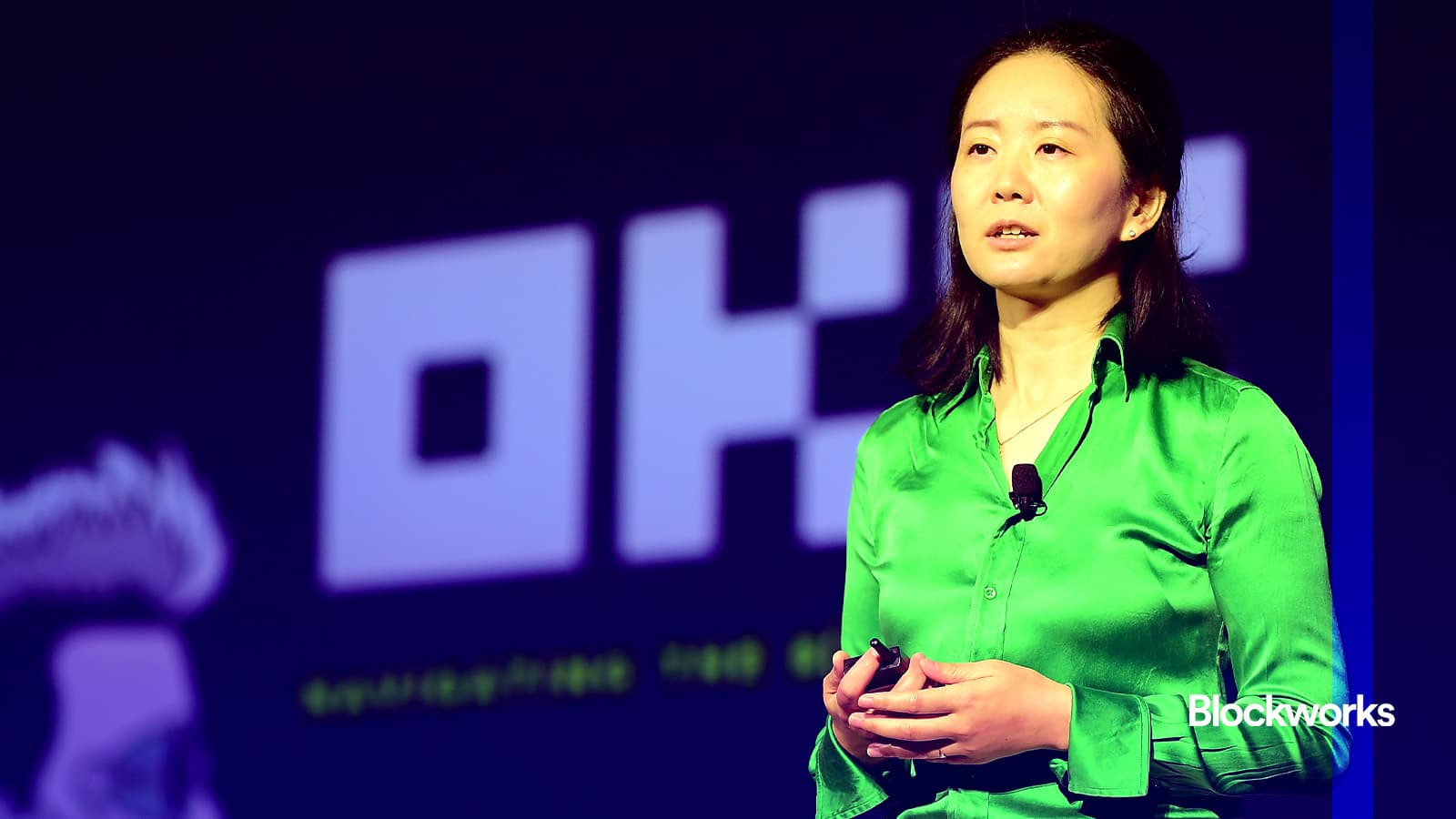
OKX President Hong Fang | Mike Lawrence for Blockworks
Today, enjoy the 0xResearch newsletter on Blockworks.co. Tomorrow, get the news delivered directly to your inbox. Subscribe to the 0xResearch newsletter.
New tech for cross-chain interoperability
Several teams are making strides to enhance the crypto developer experience, offering advanced tech stacks with the ultimate goal of simplifying the onboarding experience for new users.
OKX has launched OKX OS, an open-source infrastructure suite of tools, SDKs and APIs needed to build applications across a wide range of blockchains, including Ethereum, Bitcoin and Solana.
This new stack allows developers to leverage the same technology that powers the OKX Wallet, and aims to simplify and scale development for 100+ chains, the company announced Monday.
Another new path toward an omnichain user experience is Axelar’s Mobius Development Stack (MDS).
The tech stack, unveiled today, is offered as vendor-agnostic architecture integrated into popular OpenZeppelin libraries.
Axelar’s MDS also marks the mainnet debut of its Interchain Amplifier for permissionless cross-chain connections at the smart-contract layer. The Interchain Amplifier is secured by staked AXL, or restaked assets like ether and bitcoin.
This approach places cross-chain interoperability front and center, spanning diverse L1s including Solana, Stellar and XRP Ledger — without requiring bridges. But it also offers a way to connect off-chain resources, like zk or AI co-processors.
Features such as the Interchain Token Service (ITS) facilitate native cross-chain tokens, with use cases such as tokenizing real-world assets, enhancing liquidity and enabling fractional ownership across different chains.
According to Axelar co-founder Georgios Vlachos, MDS is “empowering developers to build decentralized applications that compose resources, logic, value and network effects freely across a truly global internet landscape.”
OKX and Axelar’s recent launches tie into a broader trend in the Web3 space around improving developer experiences and user onboarding through enhanced infrastructure.
W3.io, launched in September, is building the Orchestration Cloud, an industry utility that aims to bring the benefits of an orchestration layer — long proven in Web2 environments — into Web3.
Backed by an impressive cadre of crypto builders, W3 functions like an advanced oracle and is designed to string together multiple services to support complex transactions across Web3.
Similar to Axelar’s MDS, W3 also looks to enable developers to build applications that not only function efficiently across blockchains but also integrate off-chain resources.
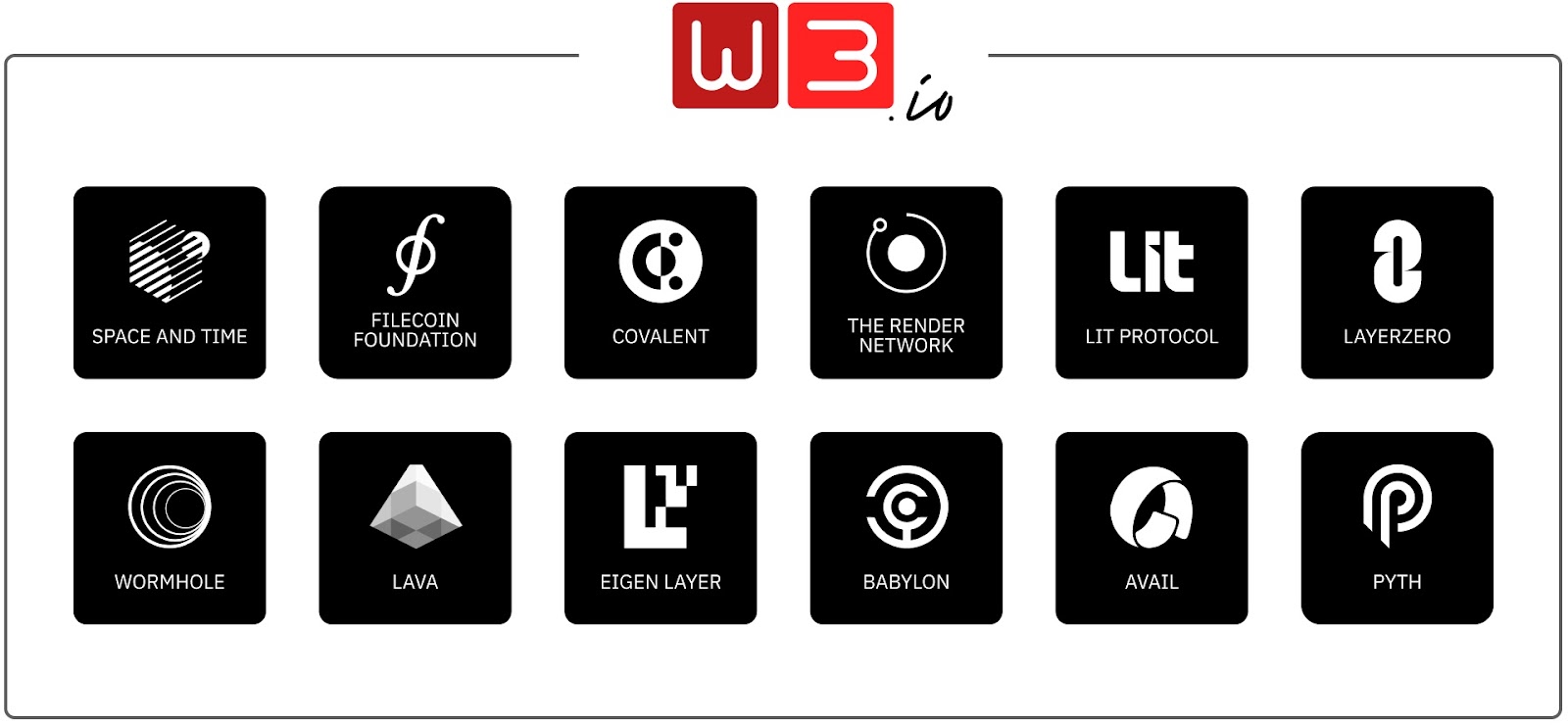
W3.io can simplify the process of coordinating multiple actions, according to Scott Dykstra, co-founder and CTO at Space and Time.
“The challenge that developers have right now is stringing together a bunch of different services to accomplish very complex onchain tasks,” Dykstra told Blockworks.
For example, it could help a game manage steps such as tracking player achievements, minting NFTs and updating the game server with new data. W3.io acts as middleware that connects off-chain and onchain actions seamlessly.
Together, these technologies point to the creation of a holistic ecosystem where developers can build decentralized applications that are interoperable, scalable and easier to use across the entire Web3 space.
— Macauley Peterson
Chart of the Day
Base increases gas limits:
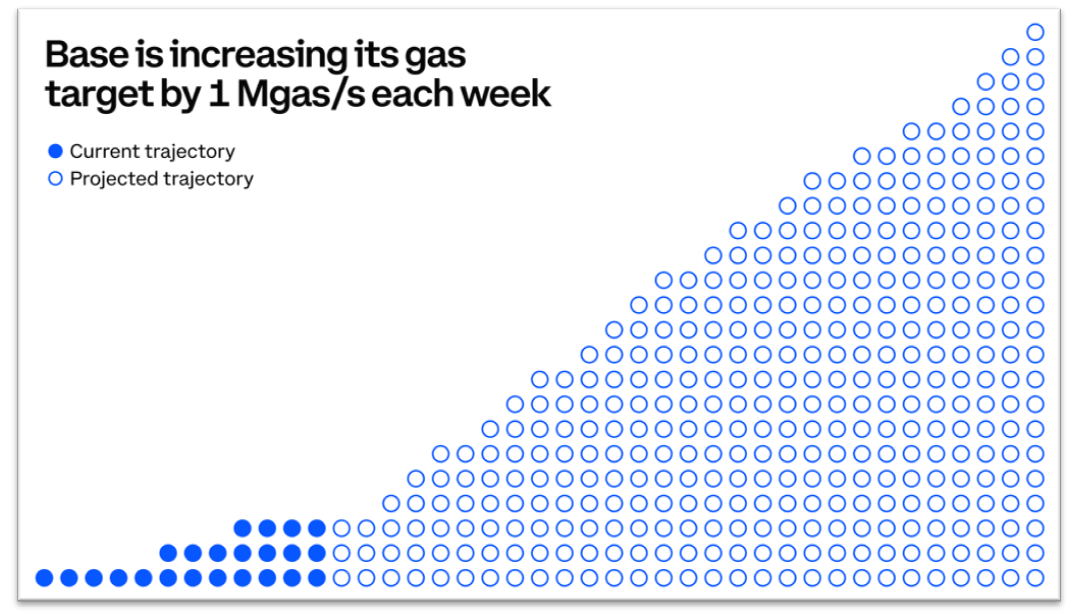 Source: Base
In pursuit of scalability, Base continues to ramp up gas limits per block. 1 Megagas/s per block will be added weekly, with this week’s increment going from 11 to 12 Megagas/s. Base’s stated goal is to reach 1 Gigagas/s capacity eventually.
L2s drastically increasing gas limits have some subtle, but far-reaching implications for Ethereum’s grand roadmap. As explained on The Rollup podcast by Justin Drake, raising gas limits reduces the baseline profitability accrued from priority transaction fees paid by users, which in turn increases the dependency on centralized sequencer profits (MEV).
Since MEV profits for L2s outweigh transaction fee profits, this may ultimately reduce the incentive for L2s to decentralize its sequencer and enter into a multichain-like shared sequencer arrangement, sometimes referred to in Ethereum research circles as “synchronized composability.”
— Donovan Choy
Get the news in your inbox. Explore Blockworks newsletters:
- The Breakdown: Decoding crypto and the markets. Daily.
- 0xResearch: Alpha in your inbox. Think like an analyst.
