Uzbekistan Wants Bitcoin Miners To Go Solar, Pay No Income Tax
Under a new presidential decree, local crypto miners will pay double the price for electricity pulled from the standard energy grid
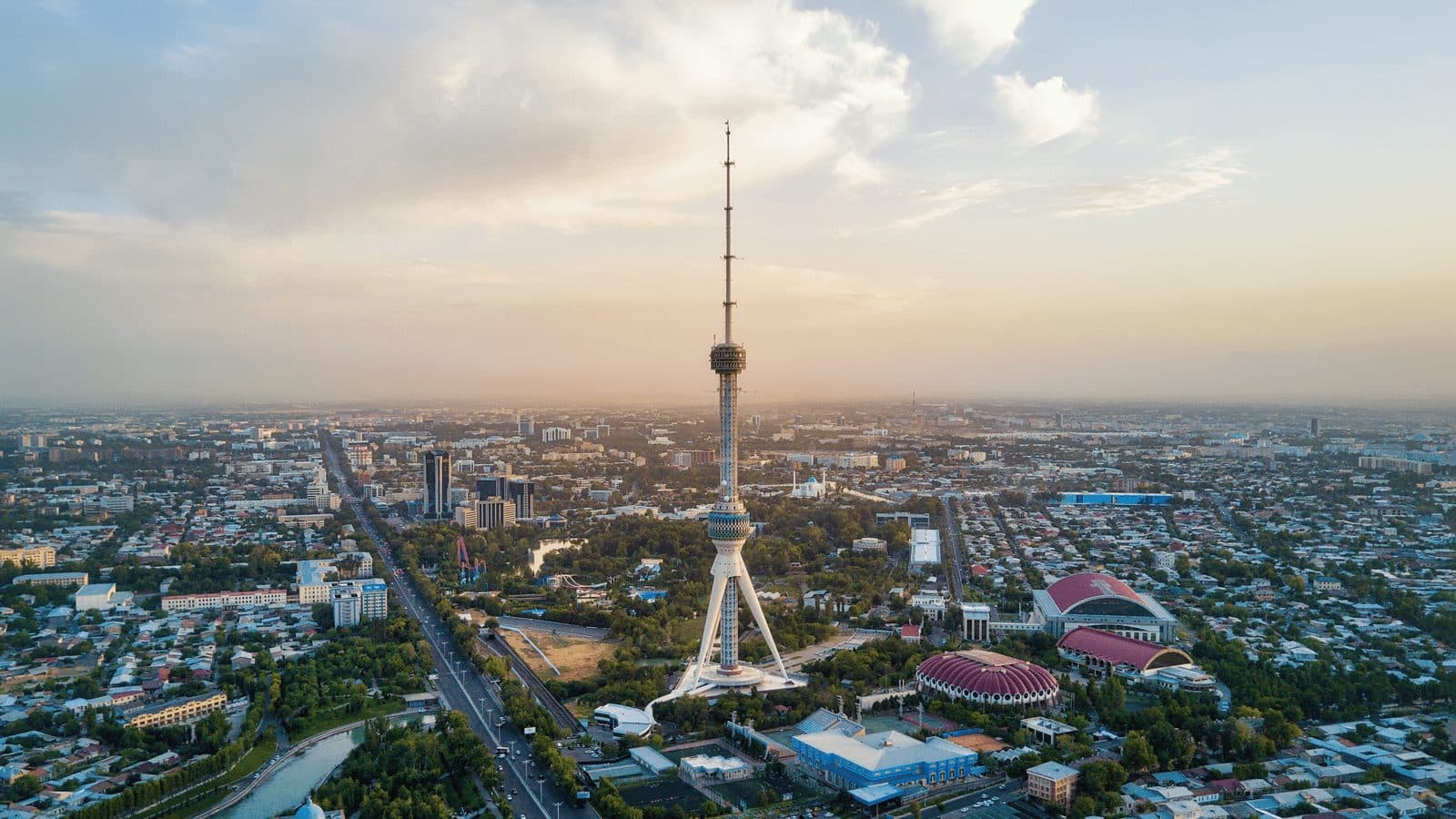
Uzbekistan’s capital city of Tashkent | Source: Shutterstock
- Uzbekistan wants to inspire growth in its local crypto mining economy despite widespread energy outages earlier this year
- The government hopes charging miners a premium for energy pulled from the standard grid will hasten their switch to solar
Uzbekistan hopes to shift crypto miners away from coal by legalizing the use of solar power within the heavily regulated local industry, Reuters reports, citing a presidential decree published this week.
The Central Asian nation will also waive income tax for both foreign and domestic crypto companies moving forward.
Under the mandate, local miners will pay double the price for electricity pulled from the standard energy grid. They also could face additional tariffs for use during periods of high demand.
Despite a lack of formal licensing, crypto mining outfits across the country are required to register with the new Uzbek National Agency for Perspective Projects. Uzbekistan legalized crypto trading in 2018, but just one exchange is currently licensed to operate — this is where local crypto miners sell the digital assets they generate.
The new regulatory framework will require crypto exchanges to perform know your customer (KYC) checks on crypto traders and keep the records for five years, CoinDesk reported.
Proposed legislation from January 2020 would have developed a national mining pool, providing discounted electricity to member miners. However, it appears the new solar incentives supersede those intentions, with a mind to provide enough regulatory freedom to inspire growth in the local industry.
Indeed, the Tashkent government hopes the nation’s crypto industry will install and operate its own solar panels, taking pressure off the country’s struggling energy infrastructure.
Uzbekistan still reeling from bitcoin mining in neighboring Kazakhstan
The move is a response to power outages that struck the country and neighboring Kyrgyzstan earlier this year, after refugee bitcoin miners fled China for Kazakhstan en masse after Beijing’s blanket ban last June.
Kazakhstan’s power grid, on which Uzbekistan and Kyrgzstan’s business and residential sectors also rely, suffered extensively. Electricity, heat and gas services were widely disrupted, and government officials eventually blamed unprecedented surges in energy demands on crypto miners.
While no deaths were attributed to the outages, arrivals at Uzbekistan’s Tashkent International Airport were closed, hundreds were trapped in train cars, and dozens found themselves stuck in offline elevators and ski lifts, analysts at the Central Asia-Caucasus Institute & Silk Road Studies Program noted. In a blog post, the researchers described crypto mining as “the straw that broke the camel’s back.”
All three countries were forced to purchase expensive power via an old Soviet energy grid to resolve the issues, despite the region’s abundant hydropower and carbon energy sources.
Kazakhstan had housed around 7% of Bitcoin’s hashrate in the leadup to China’s ban but was responsible for more than 18% just two months later, according to the Cambridge Bitcoin Electricity Consumption Index. This meant Kazakhstan was suddenly the second-biggest bitcoin mining country in the world, after the US.
Uzbekistan, by comparison, mines far less bitcoin. The country contributed just 0.05% of the total hashrate last August, although that could change now that crypto miners won’t pay income tax for the foreseeable future.
Get the news in your inbox. Explore Blockworks newsletters:
- The Breakdown: Decoding crypto and the markets. Daily.
- 0xResearch: Alpha in your inbox. Think like an analyst.
