Electric Capital finds veteran Web3 devs are on the rise
Developers working in crypto are down 25% from a year ago, but most of those were newcomers
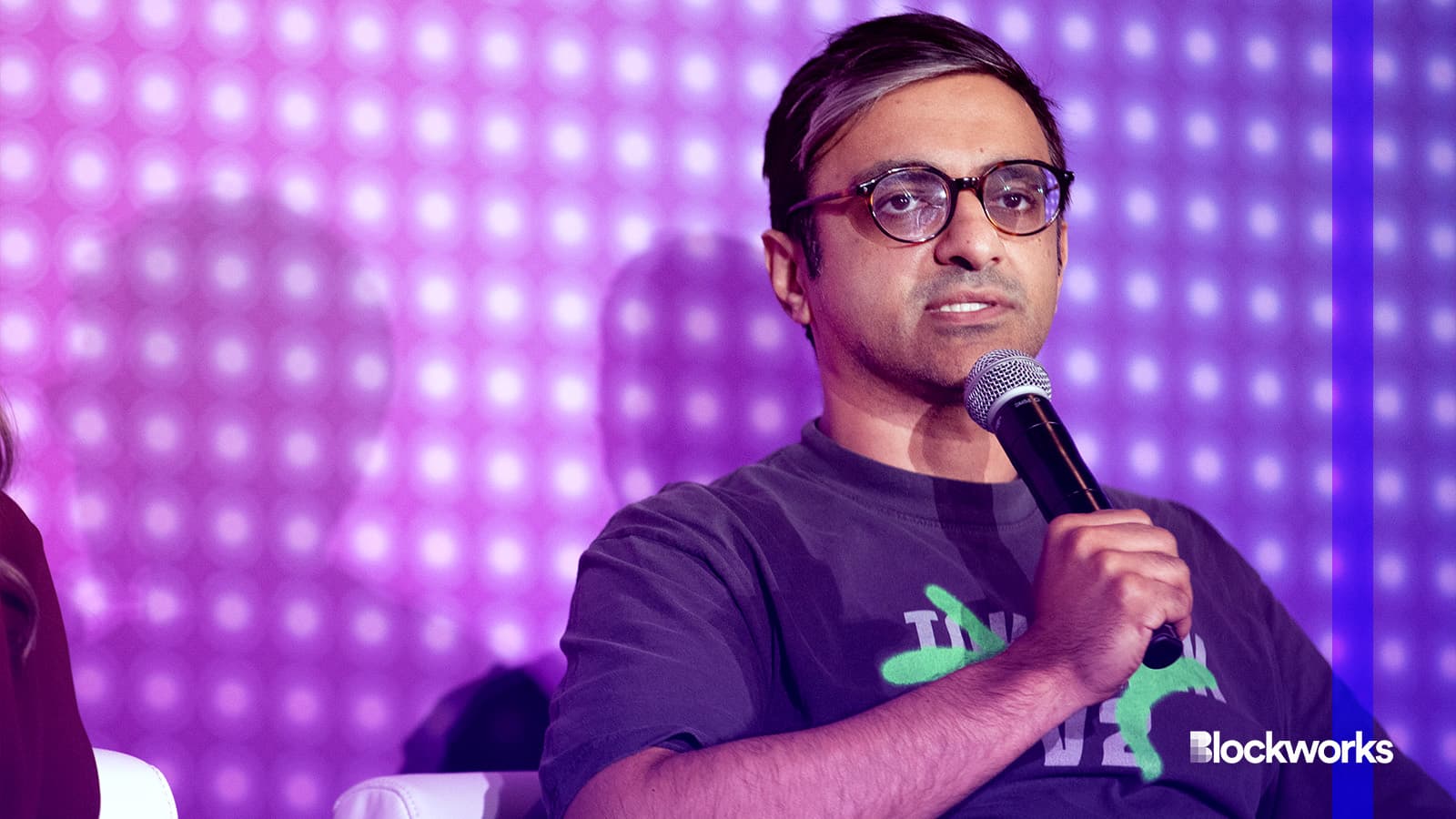
Electric Capital co-founder Avichal Garg | Permissionless II by Blockworks
The 2021 bull market produced a surge in new developers entering the crypto industry in 2022, but a majority of those newcomers did not outlast the bear market that followed.
Blockchain developers active for fewer than 12 months fell by -53% year over year, according to Electric Capital’s latest annual report published Tuesday.
That’s the principal reason total developer numbers are down by a quarter in the same span, the report finds.
But there’s also positive news for the industry’s tech chops.
Among the 22,411 monthly active crypto developers, those with experience are sticking around in increasing numbers.
“Emerging” and “established” developers, who have been working in crypto for more than one year, are up 15% since December 2022, continuing a steady uptrend.
 Source: Electric Capital
Market cap leader Bitcoin saw a roughly -19% year-over-year drop. It now has a bit more than 1,000 monthly active developers.
The 2023 Ordinals phenomenon, while a notable contribution to network fee revenue, is still relatively small in terms of bringing new coding talent to the chain.
Read more: Satoshi-era Bitcoin code idea gets a boost from Taproot Wizards
Ethereum still leads in developer mindshare by a wide margin, with 2.7 times more dedicated new developers than runner-up Polygon. The comeback story of 2023, Solana, takes the fourth spot behind “other,” with about 4,700 new developers.
 Source: Electric Capital
“Other” represents all ecosystems not specifically mentioned, Electric Capital’s Maria Shen told Blockworks.
“Besides the ones represented on the graph, there are 131 other chains that received new developers in 2023,” she said, adding that they are tracking some 9,000 ecosystems in total, an amalgam of layer-1 and layer-2 chains, applications built on top of them, as well as categories like developer tools and games.
Ethereum developers include those building on layer-2s that leverage Ethereum’s security.
Read more: So your layer-2 is ‘secured by Ethereum’ — what does that mean?
For example, “Polygon [PoS] developers are not included in Ethereum’s count because Polygon currently pulls from its own security, but Polygon zkEVM developers are counted toward Ethereum,” Shen said.
The multichain trend
This year’s survey shows a notable uptick on developers supporting more than one chain — now upwards of 30% — a figure that includes those Ethereum developers that also work on layer-2s.
“If a developer works on only Optimism, then that developer is not multichain,” Shen said.
Some of the emerging Ethereum rollups are among the chains growing the fastest year-over-year, such as Base — which is already live, and Aztec and Taiko, which are nearing their mainnet launch.
Read more: Three privacy-focused Ethereum L2s arising in 2024
There’s also a clear shift in terms of where those developers are working from. US-based devs have been steadily declining, though the trend lessened in 2023. Still, the US is the only region whose share of developers has declined since 2018.
Get the news in your inbox. Explore Blockworks newsletters:
- The Breakdown: Decoding crypto and the markets. Daily.
- 0xResearch: Alpha in your inbox. Think like an analyst.
