Illicit actors are getting better at using crypto, Treasury tells Congress
Treasury needs additional secondary sanctions tools that can specifically target digital asset providers, deputy Treasury Secretary Wally Adeyemo pleaded Tuesday
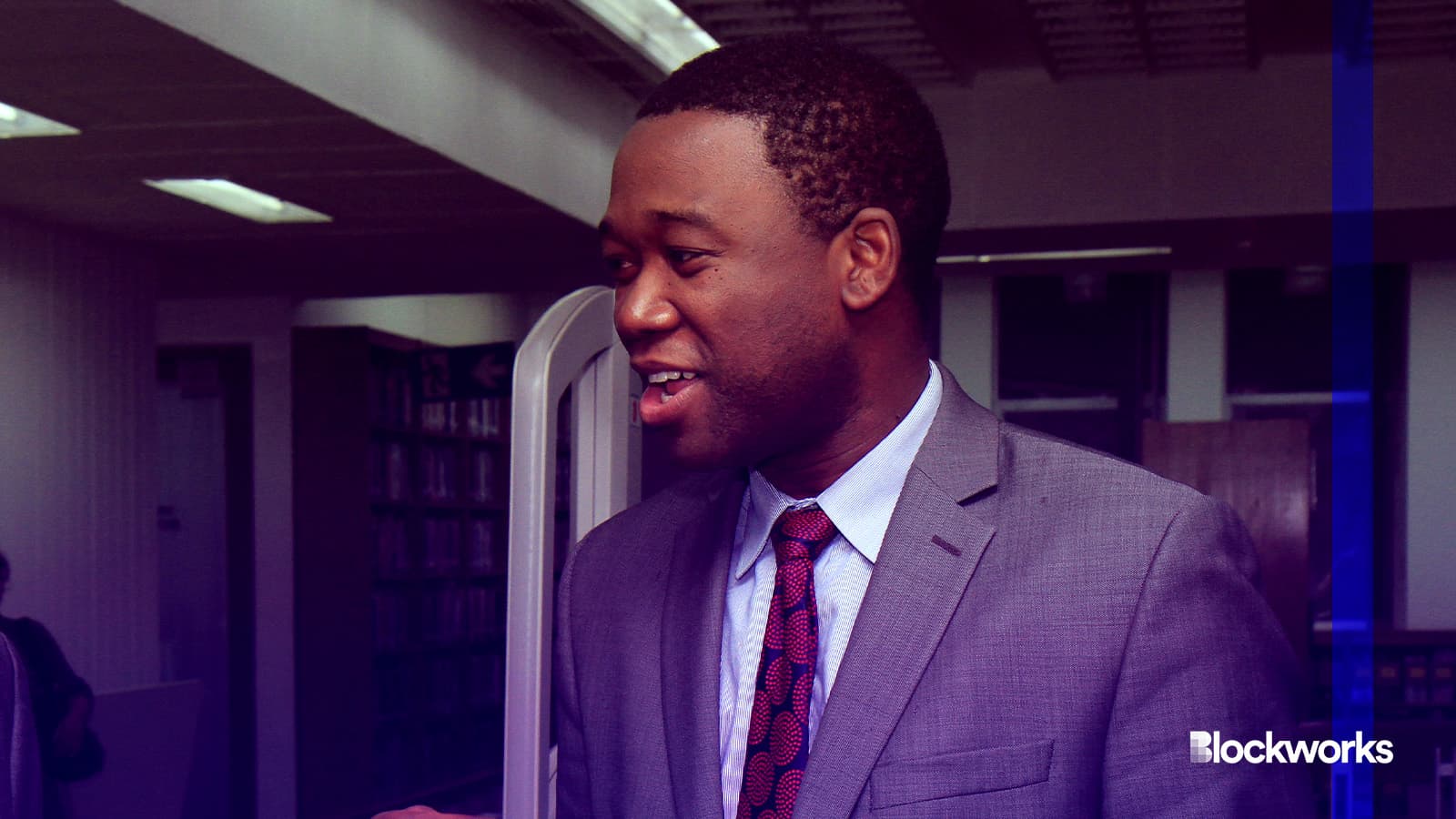
Deputy Treasury Secretary Wally Adeyemo | U.S. Embassy New Delhi/”DNSA Wally Adeyemo speaks at American Center” (CC license)
Illicit actors are only going to become savvier in their use of cryptocurrency to fund illegal activities, deputy Treasury Secretary Wally Adeyemo warned Senators in a plea for additional support from Congress.
“We should know that [illicit actors] are going to increasingly look to use cryptocurrencies and virtual assets to move things given our lack of ability to stop them, given the lack of tools,” Adeyemo said Tuesday during a Senate Banking Committee hearing.
Treasury needs additional secondary sanctions tools, ones that can specifically target digital asset providers, Adeyemo said. Congress must also pass legislation to expand the agency’s reach to “explicitly cover the key players and core activities of the digital asset ecosystem” and laws addressing the jurisdictional challenges that come with regulating foreign crypto companies, he urged.
Read more: Chainalysis calls for nuance when assessing crypto’s role in terror financing
The hearing, titled “Countering Illicit Finance, Terrorism and Sanctions Evasion,” is the second the committee has held on the subject in the past six months.
“It’s not just Hamas and terrorists that are using crypto financing,” Sen. Elizabeth Warren, D-Mass., said Tuesday. “North Korea ransomware gangs, drug traffickers, distributors of child sexual abuse materials, name your bad guy, and crypto is a way that they can move money around.”
Read more: ‘No evidence’ Hamas raised millions in crypto, Elliptic says
Some Republican committee members disagreed, arguing that Democrats, under the Biden administration, are wrongly putting all the focus on crypto in discussions on curbing illicit financial activities.
“For us to have a conversation that sounds like a digital asset conversation, as opposed to a conversation about illicit financing, that is far larger than digital assets to me [and] makes it into a scapegoat,” said Sen. Tim Scott, R-S.C.
Bipartisan bills addressing sanctions evasion and cryptocurrencies started hitting the floor in 2022 as concerns around blocked Russian actors turning to digital assets as a loophole mounted.
Sens. Warren, and Roger Marshall, R-Kan. reintroduced the Digital Asset Anti-Money Laundering Act of 2023 last summer. The legislation seeks to bring “crypto participants” — defined in the bill as wallet providers, miners and validators — under compliance requirements.
The Crypto Asset National Security Enhancement Act of 2023, introduced in the Senate in July, is a similar effort which also enjoys bipartisan support, sponsored by Sens. Jack Reed, D-R.I., Mark Warner, D-Va., Mike Rounds, R-S.D., and Mitt Romney, R-Utah.
Neither bill has advanced out of committee markup.
Get the news in your inbox. Explore Blockworks newsletters:
- The Breakdown: Decoding crypto and the markets. Daily.
- 0xResearch: Alpha in your inbox. Think like an analyst.
