Trading Volumes Spike on Azuki NFTs After Creator Admits to Failed Projects
Azuki founder Zagabond revealed he was part of three failed NFT projects within the past year
Source: Azuki
- Azuki is the sixth-highest selling collection in terms of trading volume on OpenSea at the time of publication
- Azuki founder reassured a Twitter Spaces audience that he is fully committed to building out Azuki
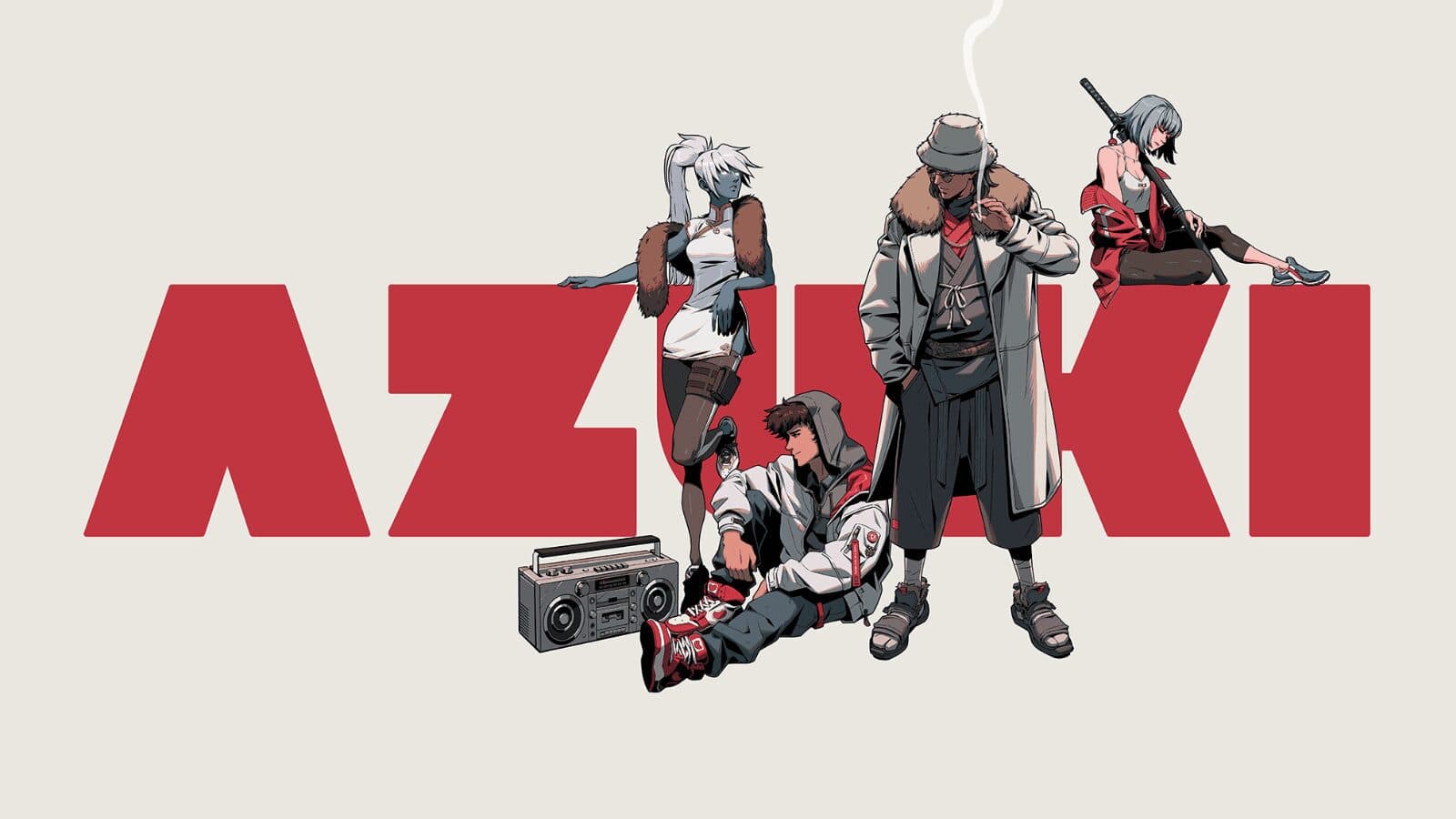
An anime-inspired NFT collection of avatars, Azuki, had been serving up some stiff competition among industry-leading collections such as Bored Ape Yacht Club and Clone X since the project’s January launch.
The digital collectibles, whose prices are plummeting, are now at the forefront of the latest NFT (non-fungible token) controversy.
Azuki’s founder, known as Zagabond, published a blog post about his history prior to launching Azuki, revealing he was behind three NFT collections — CryptoPhunks, Tendies and CryptoZunks — that were abandoned by their founders.
In response, many Twitter users dubbed the projects rug pulls or scams that were never intended to be built.
One user, @sxtvik, tweeted, “thanks for informing everyone that you’re a serial rug artist, makes everyone really have a lot of trust and confidence in you!” Another user, @pana067, tweeted that any future buyers of Azuki “need Jesus.”
Others, however, defended Zagabond, such as @Loopifyyy, who said CryptoPhunks and CryptoZunks were not scams.
“If someone promises you something and then delivers on that promise, even if it’s just an NFT, they aren’t responsible for working on it anymore,” the user tweeted.
The Azuki founder addressed these concerns in a Twitter Spaces session hosted by NFT influencer Andrew Wang, explaining that these projects were not rug pulls, but rather “there was no product market fit at the end of the day.”
The founder added that any disappointment was a matter of “misaligned expectations” between creators and consumers.
He claimed that as a builder, he’s been trained to experiment and reiterate or pivot as soon as something fails or is deemed unviable, long term, rather than waste time. He admitted that he could have better approached handing off one of those projects.
“It seems that consumers still have an expectation that the team and the developers will continue to work on the project in perpetuity,” Zagabond said. “And as a creative, are you indebted to these community members and this project forever?”
As a result, the price of an Azuki fluctuated heavily on OpenSea, and its floor price has dropped from 21 ether (ETH) since the news broke to 9 ETH at the time of publication. However, volumes and transactions have increased by 998% in the last 24 hours as savvy traders attempt to capitalize on the steep price swings.
Get the news in your inbox. Explore Blockworks newsletters:
- The Breakdown: Decoding crypto and the markets. Daily.
- 0xResearch: Alpha in your inbox. Think like an analyst.
