SEC wants court to consider Terraform ruling in Binance case
The SEC, in a Wednesday filing, said the recent Terraform ruling is relevant in its case against Binance
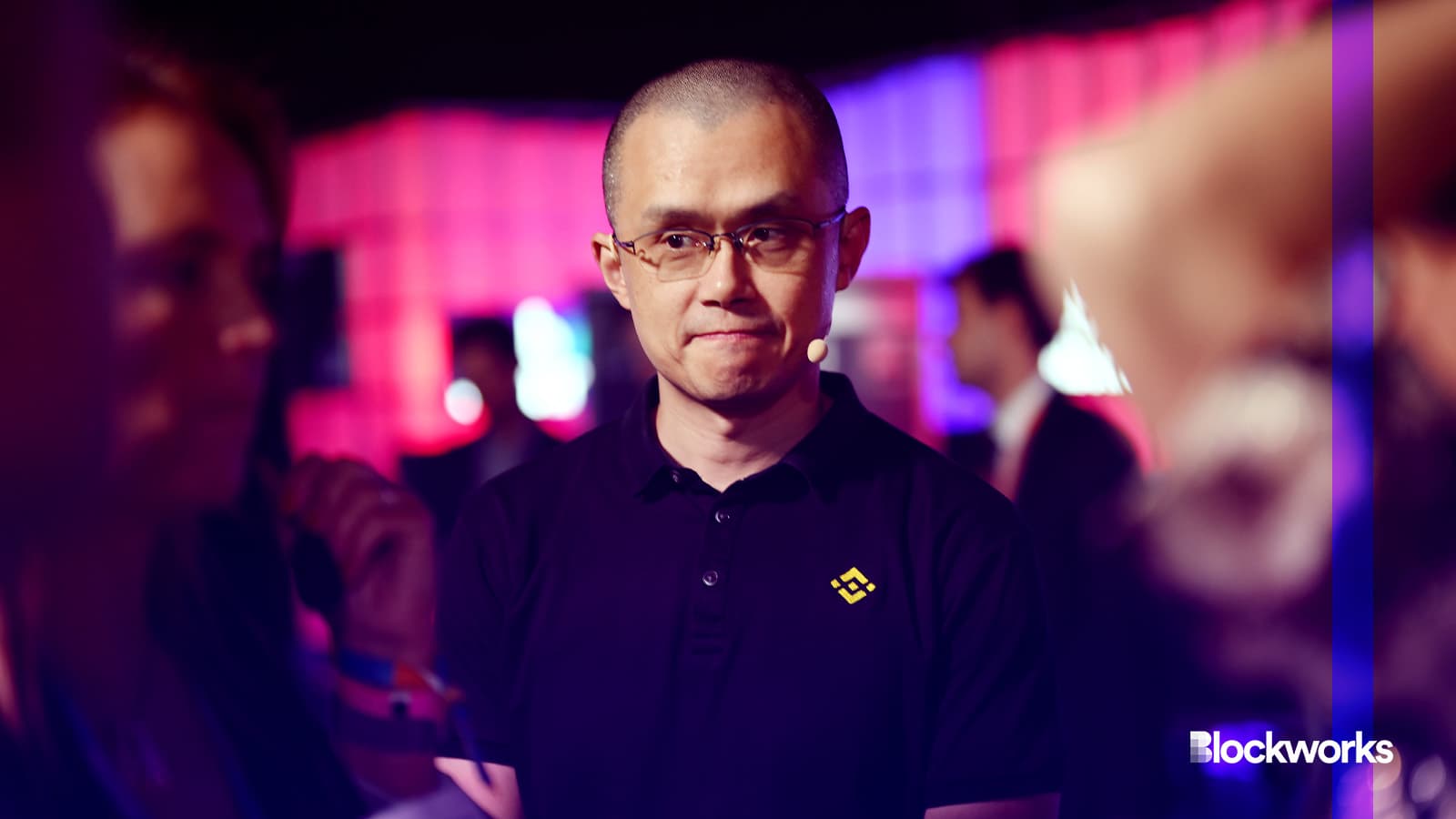
Binance co-founder Changpeng Zhao | Stephen McCarthy/Web Summit via Sportsfile/”SZ9_5684″ (CC license)
The Securities and Exchange Commission wants the court overseeing its case against Binance to consider the Terraform ruling.
In a notice of supplemental authority filed Wednesday, the SEC argued that the Terraform ruling — which found that UST, LUNA, wLUNA and MIR are all securities under the Howey test — is relevant to the Binance case because the SEC alleges that the stablecoin BUSD is a security.
The SEC also points out that a prior motion to dismiss — filed by BAM Management and BAM Trading in September — cited Terraform.
In the dismissal motion, BAM argues that,in the case of LUNA: “The money invested in Gram, Kin, or LUNA went to the promoter; the promoter undertook to use that money to build the blockchain, the functionality for the tokens, or to offer tokens with a yield-bearing return; and the investor could receive value if the promoter did what they promised.”
Read more: Judge sides with SEC in Terraform case on securities sales question
Terraform’s case, at the time, did not support the “SEC’s unprecedented theory of an investment contract in this case. In fact, they support BAM’s position,” lawyers argued.
But, in the most recent ruling in Terraform, the judge ruled that Howey is a statement of law.
Additionally, Judge Jed Rakoff said that “Defendants make much of the fact, undisputed by the SEC, that UST on its own was not a security because purchasers understood that its value would remain stable at $1.00 rather than generate a profit.”
“But, beginning in March 2021, holders of UST could deposit their tokens in the Anchor Protocol, which defendants’ efforts developed and which Kwon himself publicly announced would generate ‘by far the highest stablecoin yield in the market,’ with a ‘target’ of ‘20% fixed APR.”
The finding by Judge Jed Rakoff that “offers and sales of UST constituted an investment contract because UST investors could deposit UST into a protocol that Terraform developed and promoted as a profit-yielding opportunity,” support the SEC’s argument against the offer and sale of BUSD, the SEC claimed.
“The court’s analysis of the Terraform defendants’ so-called ‘stablecoin’ UST is particularly relevant to this Court’s consideration of Defendants’ arguments concerning Binance’s so-called ‘stablecoin’ BUSD, and Defendants’ staking-as-a-service, BNB Vault, and Simple Earn programs,” the SEC argued.
Read more: Terraform Labs founder Do Kwon faces US extradition: WSJ
Terraform, following the ruling, said it “strongly” disagreed with the decision that either UST or the other tokens were securities.
Binance and Binance US didn’t immediately return a request for comment.
Get the news in your inbox. Explore Blockworks newsletters:
- The Breakdown: Decoding crypto and the markets. Daily.
- 0xResearch: Alpha in your inbox. Think like an analyst.
