SEC Commissioners question ‘ambiguity’ in ShapeShift settlement
Peirce and Uyeda have previously come out in support of some crypto companies, and were two of three to vote in favor of the bitcoin ETFs
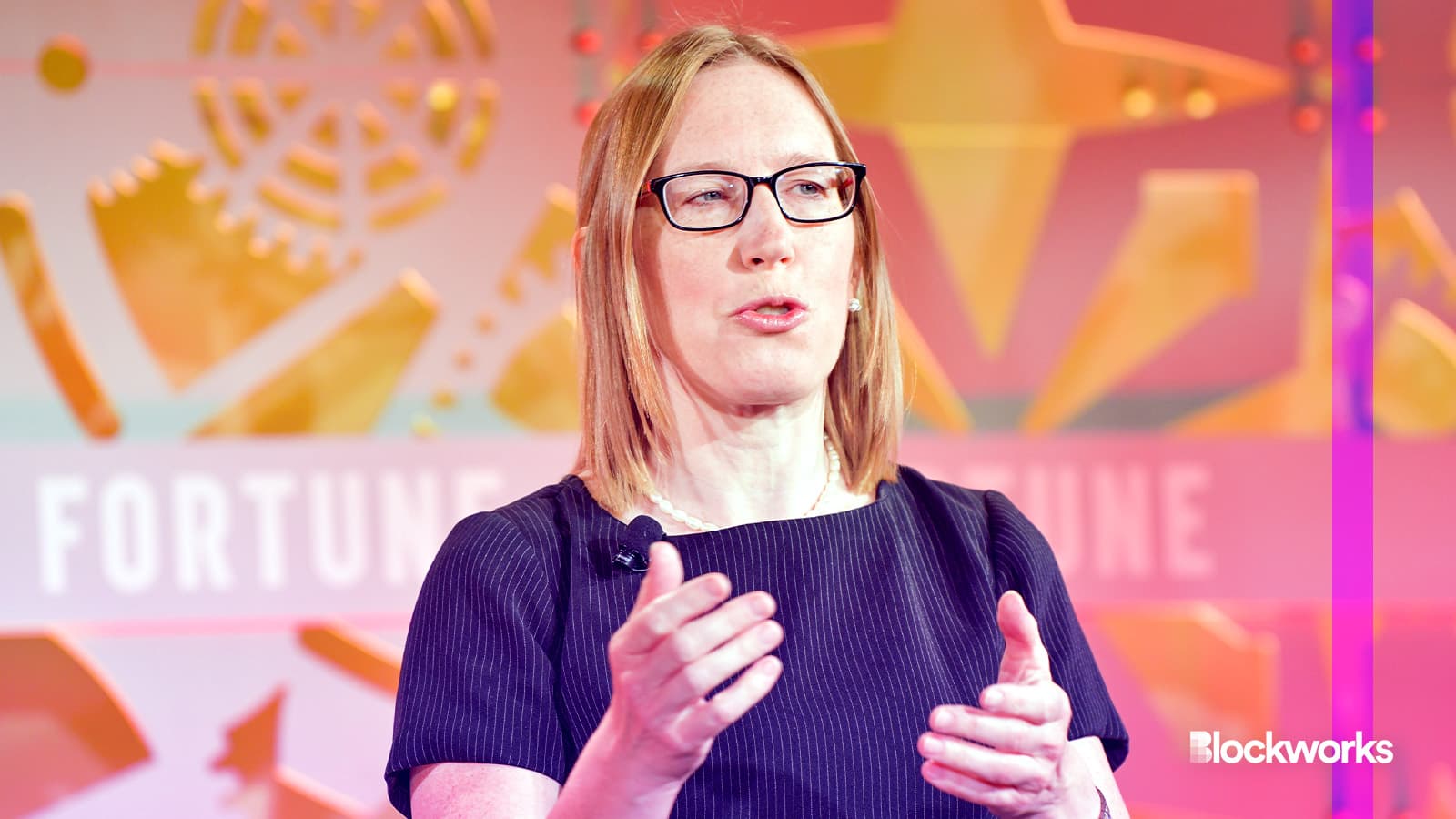
SEC Commissioner Hester Peirce | FORTUNE Brainstorm Tech/”FORTUNE Brainstorm Tech 2019 034″ (CC license)
The Securities and Exchange Commission has announced a settlement with ShapeShift.
ShapeShift was originally known as an early crypto exchange that allowed users to swap cryptocurrencies without needing an account.
According to the SEC, the company — which wound down its traditional corporate structure in 2021 — offered and sold some securities. Though the settlement states that customers had access to 79 tokens, the SEC declined to specifically name which tokens the commission believes are securities.
As part of the deal, ShapeShift agreed to pay $275,000 to the SEC.
Read more: US judge questions SEC limits during Coinbase hearing
SEC Commissioners Hester Peirce and Mark Uyeda said, in a joint statement, that they disagreed with the SEC’s action.
“In sum, ShapeShift is in trouble because the Commission, nearly ten years after ShapeShift’s platform started trading and more than three years after it changed its business model, now contends that some unidentified number of the 79 crypto assets it traded between 2014 and 2021 were investment contracts without explaining why,” the two Commissioners said.
Peirce and Uyeda have previously disagreed with other SEC enforcement actions against crypto companies. The two — alongside Chair Gary Gensler — also voted in favor of the bitcoin ETFs.
Read more: Commissioner statements on bitcoin ETF approvals signal contention among SEC leaders
“It is entirely unclear how ShapeShift was to discern that the Commission would consider crypto assets generally — and any crypto asset in particular — a security in the form of an investment contract. Even now, ten years on, it is hardly more discernible,” they added.
The Commissioners said the action left them wondering if the SEC wants its enforcement actions to be ambiguous, and therefore make “the next person who comes up with an idea for building something to help other people buy or sell crypto…think twice.”
Peirce and Uyeda further argue that to “just come in and register is manifestly unsatisfying.” The two penned an imaginary discussion between the SEC and a potential crypto company where the SEC denied the made-up company registration because the firm was unable to pinpoint which tokens the SEC believed to be securities.
The most recent discourse by Peirce and Uyeda echoes similar frustrations publicly discussed by firms like Coinbase.
Read more: Disappointed but not surprised: Industry reacts to SEC’s Coinbase denial
Coinbase, before the SEC’s lawsuit against the exchange in June, claimed it repeatedly asked the SEC for clarity around crypto regulation. The exchange then filed a suit against the SEC seeking to gain clarity but has been denied by the agency multiple times.
In December, the SEC denied a rulemaking petition filed by Coinbase. While Gensler supported the decision, both Uyeda and Peirce came out against it.
“The Petition raises issues presented by new technologies and other innovations, and addressing these important issues is a core part of being a responsible regulator. Any exploration of these issues should include public roundtables, concept releases and requests for comment, which would afford us the opportunity to hear from a wide range of market participants and other interested parties,” the two wrote at the time.
ShapeShift transformed its operations from a traditional corporate entity to a decentralized autonomous organization (DAO) in 2021. It continues to facilitate the buying, earning, and trading of certain cryptocurrencies as a community-owned multichain exchange.
Read more: ShapeShift DAO releases decentralized mobile app
This transition marked ShapeShift’s evolution from its original function as a platform for accountless cryptocurrency trades to a decentralized entity that maintains its predecessor’s long-standing non-custodial practices.
Get the news in your inbox. Explore Blockworks newsletters:
- The Breakdown: Decoding crypto and the markets. Daily.
- 0xResearch: Alpha in your inbox. Think like an analyst.
