Russian-language Journalists Forced off Stripe by Sanctions Turn to Crypto
Russian-language news outlet Meduza is now relying solely on foreign donations for the first time ever, with crypto as its lifeline
Source: Shutterstock
- Meduza continues to document Russia’s invasion of Ukraine despite Moscow’s ban on independent reporting
- The Riga-based outlet was cut off from payment rail Stripe under strict Western sanctions imposed earlier this year
Independent Russian-language website Meduza has raised more than $260,000 in crypto after Western sanctions crippled its ability to field donations through other means.
Meduza, which operates out of Latvia, turned to crypto after fintech giant Stripe stopped supporting payments to the website.
The news outlet was established in the wake of Russia’s annexation of Crimea in 2014. Independent reporting on the Ukrainian war is now basically illegal, but Meduza still publicly investigates and documents alleged Russian war crimes from its Riga newsroom.
Russia’s internet censors now block multiple news outlets — including Meduza — forcing Russia-based readers to access the site via virtual private networks and Telegram channels.
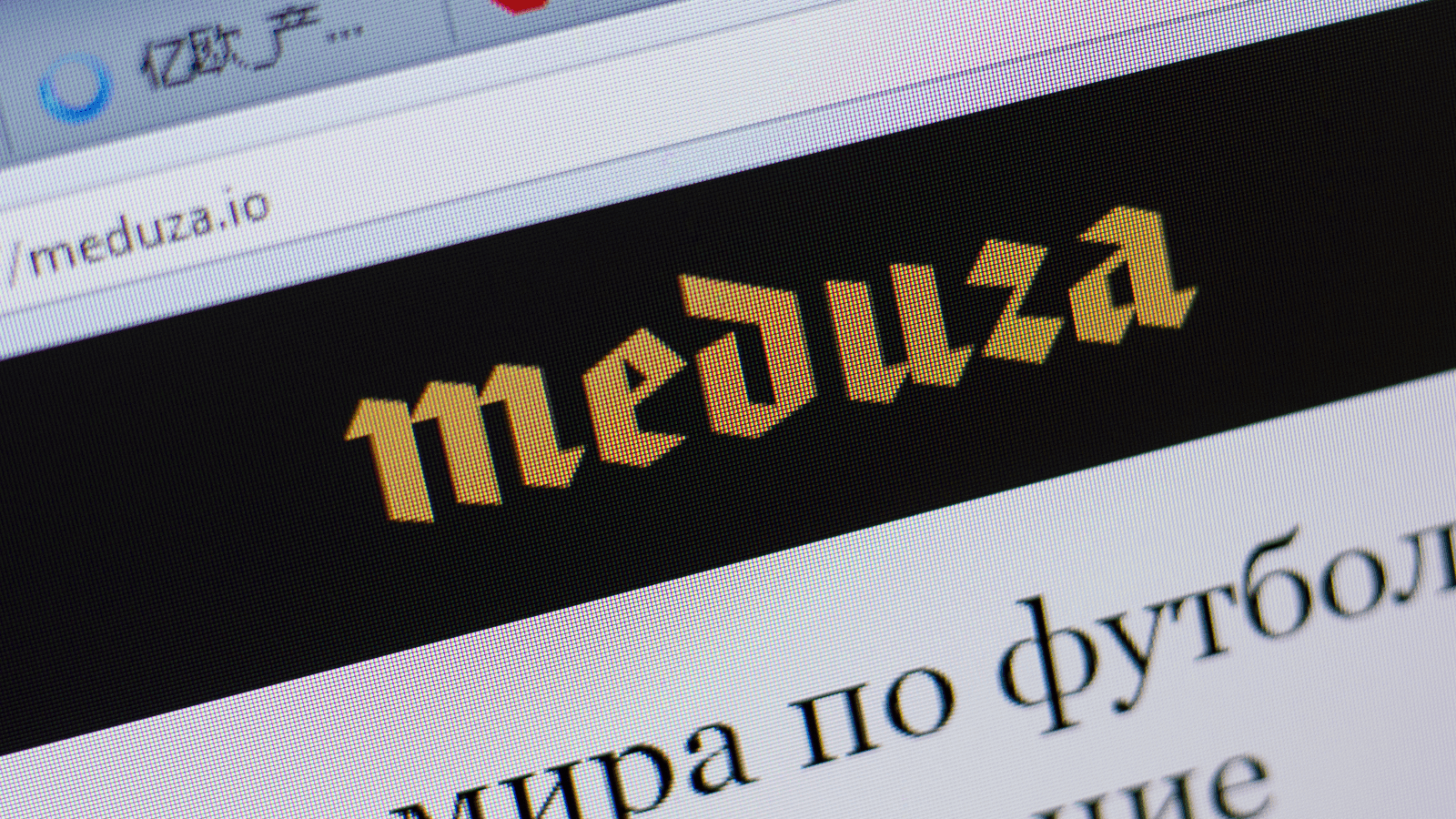
 Meduza’s homepage
Last year, Meduza was labeled a “foreign agent,” which ultimately put a stop to local advertising revenue. Crypto has now reportedly enabled Meduza to rely entirely on funds sent from foreigners for the first time.
Before the war, Meduza fielded donations from around 30,000 Russian readers, according to Bloomberg. The outlet’s traffic has since been slashed by a third.
Meduza has recently been asking international audiences to donate cash (dollars, euros and crypto). It accepts bitcoin, ether (and Ethereum-based tokens), monero, BNB (and other BNB Chain tokens), Zcash, and Tether (USDT). Fiat contributions can still be sent via bank transfer or PayPal.
Meduza’s crypto donors have so far sent 3.75 BTC ($117,400), nearly 50 ETH ($118,400), and more than $30,000 in various ERC-20 and BNB Chain tokens, including stablecoins Tether and USDC. None of the trackable crypto has been withdrawn so far, according to blockchain data reviewed by Blockworks.
Large individual contributions include 12 ETH ($28,500) received last Monday and 1 BTC ($31,500) netted the day after.
The outlet says it will use that money to quickly resettle its 25 journalists, mostly in the Latvian capital. Meduza Editor-in-Chief Ivan Kolpakov told reporters that Meduza is currently only raising half of what it needs.
Germany’s Deutsche Welle and US-funded Radio Free Europe have also set up shop in Riga following the Russian invasion of Ukraine. Russian independent outlet Novaya Gazeta is planning to start a new operation there as well, noted Bloomberg.
In any case, Meduza joins a growing list of journalistic organizations to accept contributions via crypto, including the Freedom of the Press Foundation, WikiLeaks, Bellingcat and the Committee to Protect Journalists.
Get the news in your inbox. Explore Blockworks newsletters:
- The Breakdown: Decoding crypto and the markets. Daily.
- 0xResearch: Alpha in your inbox. Think like an analyst.