Former SEC, CFTC chairs push back on SEC’s crypto lawsuits
Former SEC Chair Jay Clayton says even “broad victories” in litigation for regulators “won’t resolve key issues”
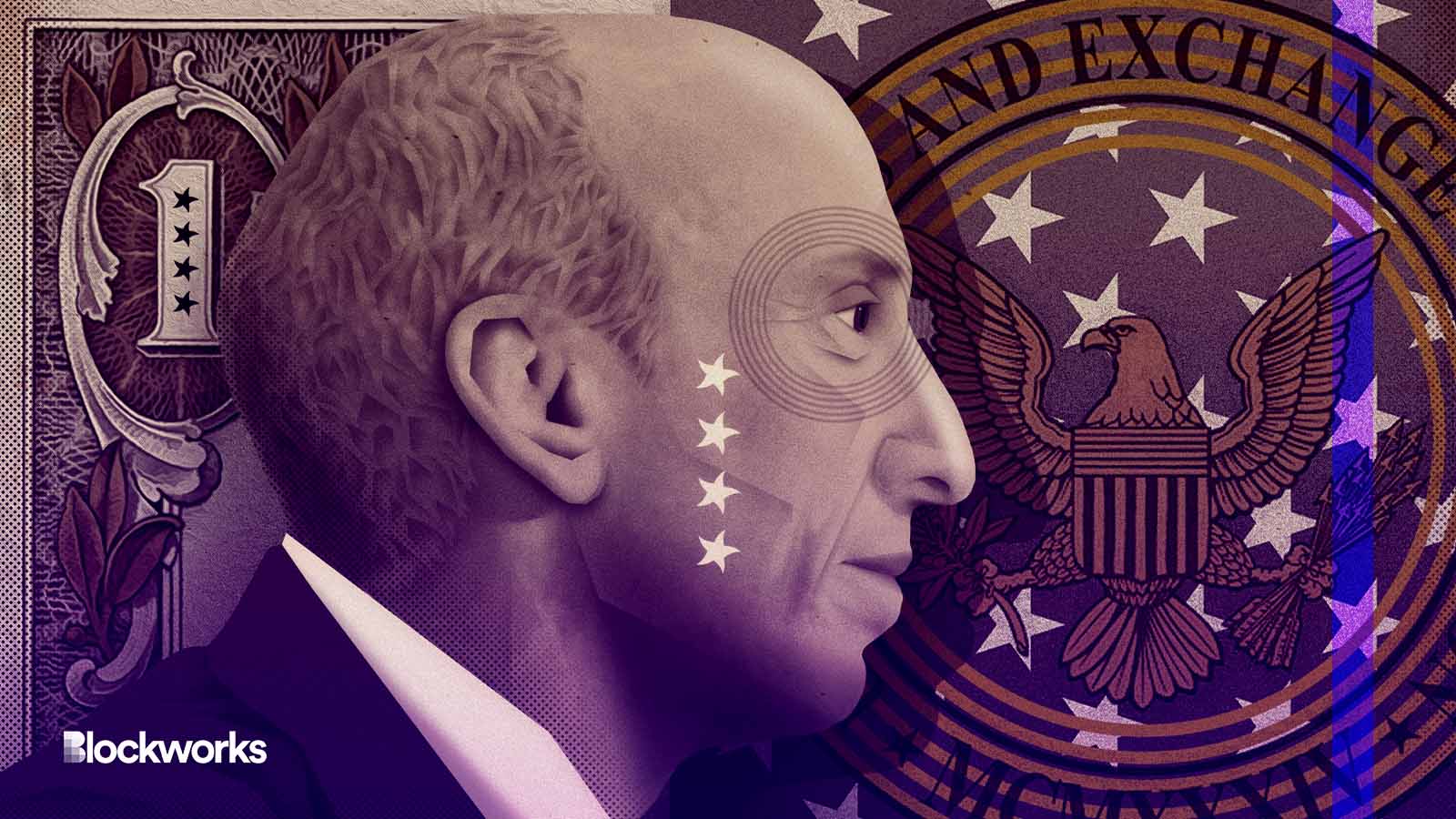
Artwork by Axel Rangel
Former SEC Chair Jay Clayton does not think litigation carves the path forward for crypto regulation, a belief that seems to differ from the SEC’s current stance, with multiple open court cases against crypto companies.
“These lawsuits are unlikely to address questions of whether existing laws need to be adjusted to deal with particular features of digital tokens,” Clayton and former CFTC Chair Timothy Massad wrote in the Wall Street Journal on Friday, June 7 — the second piece the duo has penned specifically on the regulation of digital assets.
Furthermore, they argue, a judge should not “address the board and technical questions of a market structure and operation in the context of a case that hives on the classification of a particular token.”
Clayton has previously spoken out against the current regulation-by-enforcement approach that the SEC is taking.
In December of last year, Clayton and Massad explained how to start regulating crypto markets following the collapse of FTX and TerraUSD.
The duo suggested that regulatory agencies require crypto intermediaries to “implement basic consumer protections,” provide regulatory rules around the use of stablecoins, and enforce the law — even going so far as to say that “enforcement is necessary with many in the industry will use any colorable claim to avoid or delay compliance.”
Though they have slightly changed their tune in their July follow-up, noting that they both believe that the SEC and CFTC should work together to “jointly develop basic investor and market protection standards.”
There are a few reasons for their suggestions: It would curtail complexity, it won’t cost taxpayers, and it doesn’t involve rewriting the law as it stands.
But, similar to Coinbase, they also believe that having Congress mandate an approach would be “even better.”
Coinbase, in a response to the SEC’s lawsuit, has said the SEC does not have the authority to “seize power” in regulating digital assets, and has called on Congress to close the “regulatory gap.”
Clayton and Massad argue that crypto regulation and the overall utility of crypto will continue to happen, but “better regulation shouldn’t turn on that debate, nor on partisan lines.”
Get the news in your inbox. Explore Blockworks newsletters:
- The Breakdown: Decoding crypto and the markets. Daily.
- 0xResearch: Alpha in your inbox. Think like an analyst.
