Permissionless III dispatch: What a difference a year makes for Solana
A blockchain some thought dead in the water two years ago now feels cool
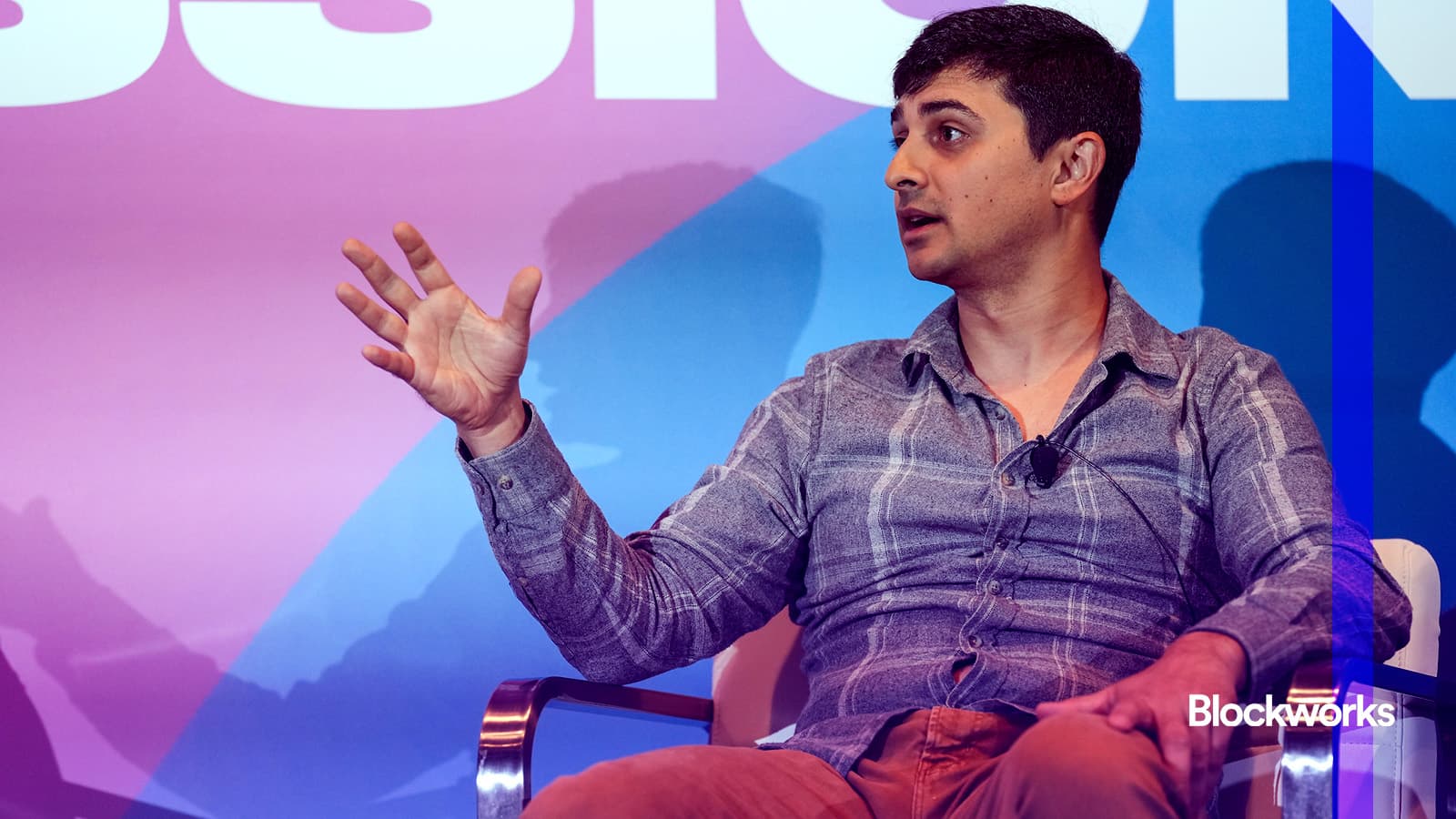
DRiP founder Vibhu Norby | Permissionless III by Mike Lawrence
Crypto conference panel titles are like little time capsules that give a sense of what the crypto world was interested in at a certain moment in time (at least in the eyes of conference organizers).
So here’s one telling example I found: A year ago at Permissionless II, a host of Solana founders sat on a panel called “Solana DeFi: A Phoenix Rises from the Ashes.”
This year, the main stage saw a talk called “DeFi: A Phoenix Rises from the Ashes,” but the panel was populated with Ethereum DeFi founders instead.
During that 2023 panel, SOL was trading at around $18. Today, it’s around $140. This week, the fees and tips being processed by the Solana blockchain are roughly 70 times what they were during the last Permissionless.
Read more: Politics and memecoins drive the conversation on day 2 of Permissionless
In brief, it appears that the phoenix has risen from the ashes.
This year’s Permissionless conference fell less than a month after Solana’s flagship conference in Singapore, so it was a light week as far as bombshell Solana announcements went. Instead, the Solana content was a bit of a heady brew.
Read more: These 3 questions remain after Solana Breakpoint
Eugene Chen from Ellipsis Labs said that “fighting [maximal extractible value] is almost like fighting gravity” due to the inevitable economic force to pack blocks tightly. DRiP’s Vibhu Norby said that memecoins can be better thought of as commerce than as investment during a live taping of the Lightspeed podcast. And someone I chatted with near the coffee station said decentralized physical infrastructure (DePIN) projects where the infrastructure’s supply comes from the same place as its demand are the most likely to succeed (think of a shared computing network where users offer and also use computing power, as an easy example).
As attendees chugged water and generously applied chapstick to battle the Salt Lake City dryness, it became clear to me that Solana has become, for lack of a better word, cool. The Solana breakout track was reasonably full, and a Solana Foundation-sponsored founder summit had to turn around its fair share of curious interlopers.
For Solana founders I heard from, the plaudits feel good, especially given how some in crypto tabbed Solana a lost cause following FTX’s unraveling.
But it’s also uncharted territory for Solana, which has always felt like a contrarian bet against the much-larger Ethereum. Today, Solana is much closer to Ethereum in key usage metrics, and professional investors seem to be taking a liking to SOL.
The question I was struck by during the conference is how Solana can adjust to a world where it’s not quite the contrarian underdog anymore. What if new chains come to fruition that are faster, cheaper, more impious to crypto’s high priests?
Crypto fans tend to not be fans of social consensus, and being more of a consensus blockchain could prove to be disadvantageous. Solana has certainly risen from the ashes over the past year. It’s now a question of whether the phoenix can also fly.
Get the news in your inbox. Explore Blockworks newsletters:
- The Breakdown: Decoding crypto and the markets. Daily.
- 0xResearch: Alpha in your inbox. Think like an analyst.
