Gone Crypto: Dexterity Capital Co-Founder Michael Safai
Dexterity Capital, an algorithmic high-frequency trading firm focused on cryptocurrencies, is looking to solve some of the biggest challenges in finance.
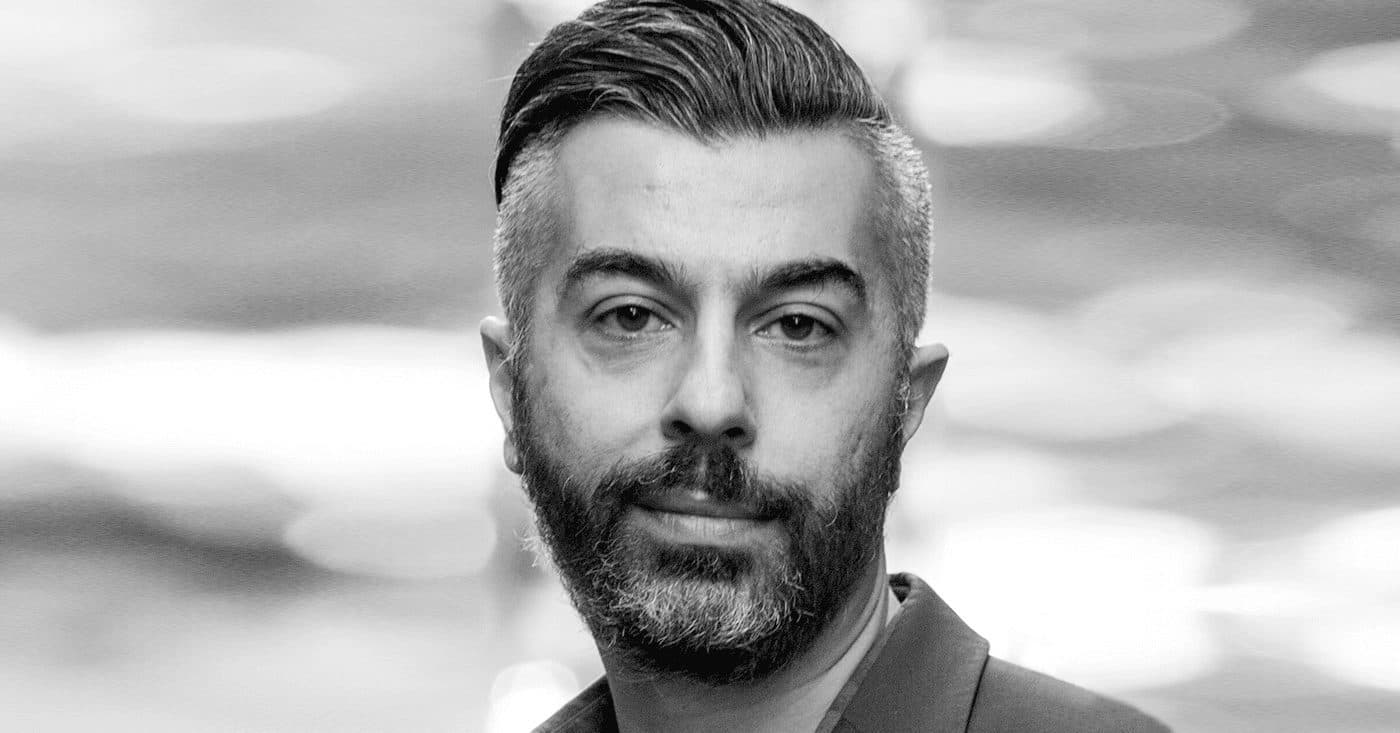
Dexterity Capital Co-Founder Michael Safai
- Michael Safai believes changes happen at the startup level
- Dexterity Capital is looking to change the game when it comes to solving market inefficiencies
Partner and co-founder of Dexterity Capital Michael Safai is no stranger to the startup world.
“I am very much a West Coast startup person,” Safai said during an in-person interview in London, where the co-founder now resides. “We think that startups offer the best way to build, it’s so different from traditional finance.”
With a bachelor’s degree in astrophysics and economics and a Juris Doctor degree, both earned at California Universities, he has experience across a range of industries.
After working as a startup attorney and consultant, Safai decided to join the community full time. He worked at LiveRamp, a california-based data connectivity platform, for three years, first as the chief of staff and then the head of international.
LiveRamp focused on looking at data and market inefficiencies, and it inspired Safai to start thinking about how inefficiencies in digital asset trading could be solved. He left LiveRamp in 2016 and co-founded Dexterity in 2018.
“When we started this in 2017/2018, I think some of my old colleagues were unsure of what we were doing,” Safai said. “Now, that sentiment has definitely changed as crypto has grown.”
Dexterity Capital, an algorithmic high-frequency trading firm focused on cryptocurrencies, is looking to solve some of the biggest challenges in finance, Safai said.
Despite having only a 13-person team, although Dexterity is hoping to double in the next year, the company makes between $2 billion and $4 billion in trades a day.
When asked if he fears a potential bear market in the coming months, Safai was unphased. The team specializes in market neutral strategies, he said, making the trades immune to bear or bull patterns.
In terms of regulation, a topic every leader in the digital asset space seems to want to weigh in on these days, Safai said it will be a long waiting game. Different nations and regulatory bodies are approaching the issue of cryptocurrency oversight in different ways and at different speeds, he said.
“I think that we are going to have to work with patchwork legislation for a while,” Safai said. “I don’t know what’s going to happen in terms of regulation, it’s hard to see how exchanges and companies in this space will interact with regulators.”
Get the day’s top crypto news and insights delivered to your inbox every evening. Subscribe to Blockworks’ free newsletter now.
