FTX’s Sam Bankman-Fried Spots Opportunity in Troubled Markets
Personal investment in Robinhood comes as his crypto exchange could look to acquire struggling competitors
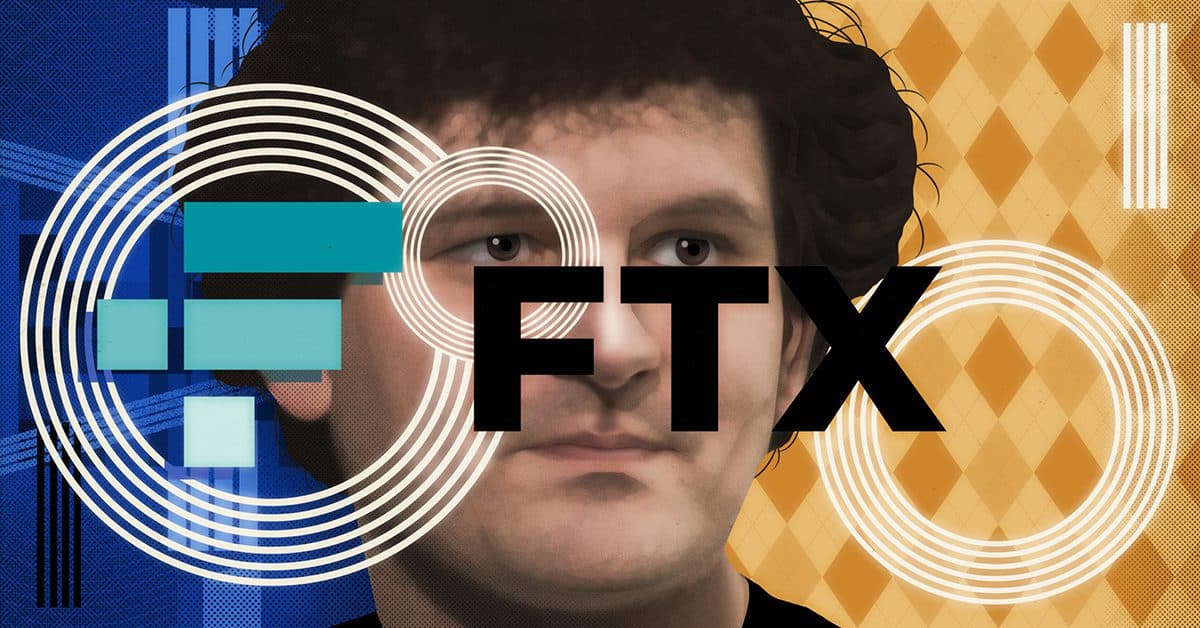
Sam Bankman-Fried; Blockworks Exclusive Art by Axel Rangel
- Bankman-Fried takes a 7.6% stake in investment tool Robinhood through Emergent Fidelity Technologies, of which he is the sole director and majority owner
- The purchased shares were worth roughly $605 million Friday afternoon
The head of crypto exchange FTX has bought a 7.6% stake in investing platform Robinhood.
Though Sam Bankman-Fried’s company was not involved in the deal, he has said FTX could participate in the next wave of upcoming mergers and acquisitions he predicts will take place.
Bankman-Fried, FTX’s founder and CEO, purchased roughly 56 million Robinhood shares, according to a recent regulatory filing, at a cost of roughly $648 million.
The shares were valued at around $605 million at 3:45 p.m. ET on Friday, up about 25% from the day before, but still less than the price he paid.
The buy was done through Emergent Fidelity Technologies, a company incorporated in Antigua and Barbuda, according to the document. Bankman-Fried is the majority owner of Emergent.
Bankman-Fried declined to comment today on the Robinhood deal, which did not involve FTX, but in a recent interview with Blockworks he said the difficult market conditions in the digital asset space could trigger a wave of M&A activity.
“There’s going to be a ton of M&A,” he said, adding that “it wouldn’t be totally shocking” for FTX to acquire some of the business of exchanges that are shrinking.
FTX’s US affiliate last year bought digital currency futures and options exchange LedgerX to bring crypto derivatives to its US user base. More recently, FTX revealed in February it was set to acquire fintech firm Liquid Group in a bid to navigate Japan’s crypto exchange laws.
A Robinhood spokesperson also declined to comment, instead pointing to a Twitter thread the company posted Thursday.
“We’re doubling down on creating a multi-generational company where customers can build wealth for their generations,” the tweet said. “Of course we think it is an attractive investment too. We have the best customer base, are introducing great new products, and we have the team to deliver.”
Robinhood reported a net loss of $392 million in the first quarter.
The company’s net revenues were $299 million in the first three months of 2022, down from $522 million in the first quarter of 2021. Transaction-based revenues were $218 million, about half of what they were in the year-ago period. Crypto transactions accounted for $54 million of those revenues, down from $88 million in 2021’s first quarter.
Dan Keeler contributed to this story.
