The FTC Came Gunning for Fortnite. Is the Metaverse Next?
FTC’s Fortnite fine may set a precedent for crypto gaming universes, experts say
DCStockPhotography/Shutterstock.com modified by Blockworks
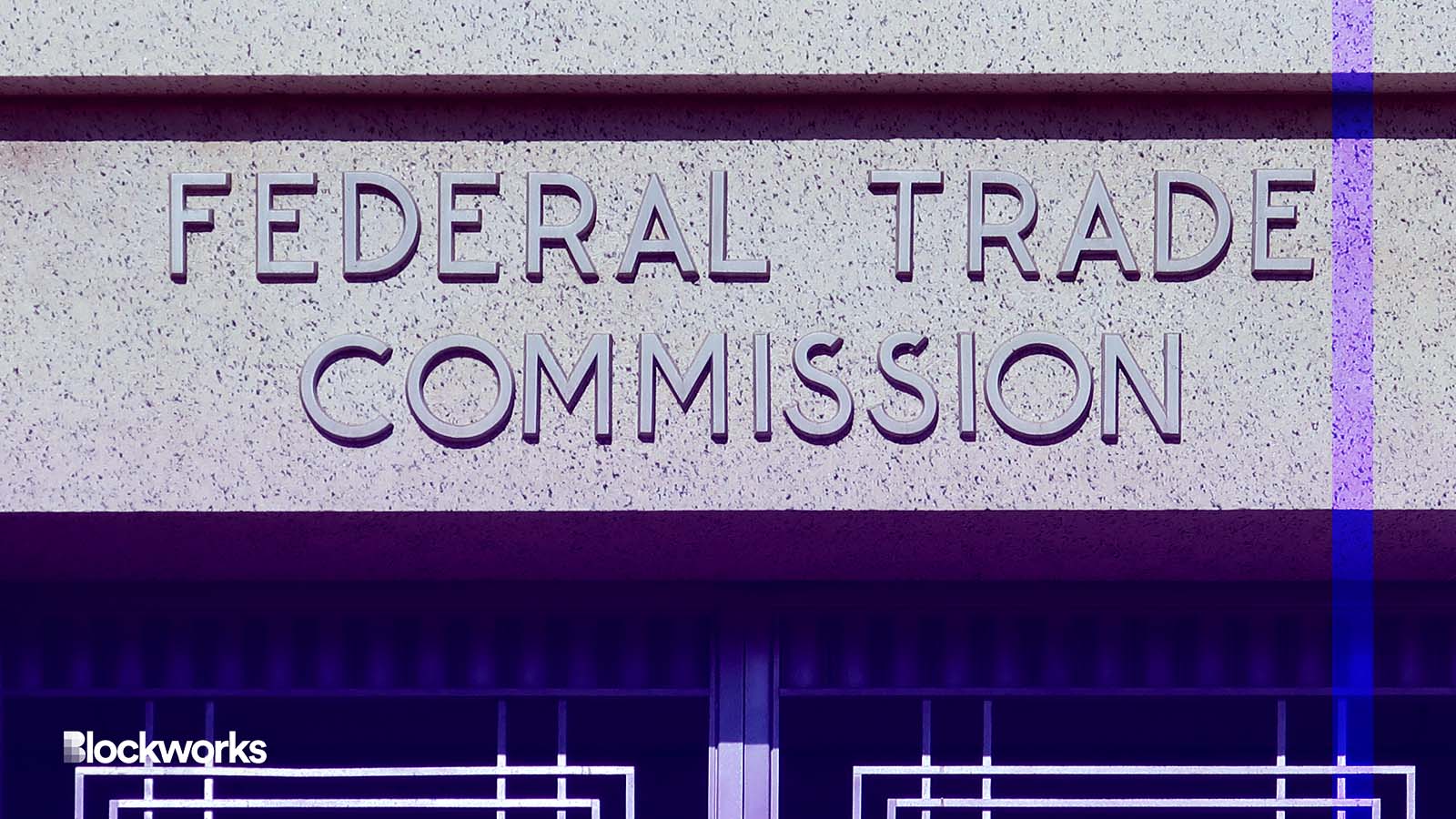
The FTC’s move to slap Fortnite developer Epic Games with a cumulative $520 million fine for alleged lax privacy settings said to put minors at risk and a problematic refund process poses a crucial question for the metaverse: Are their virtual worlds next?
The Web3 world is paying attention, even though Fortnite isn’t based on a blockchain. The blockbuster title has more than a little in common with its play-to-earn cryptocurrency peers: online payments (albeit via fiat), chat forums and the ability to create nearly fully customized avatars. That’s not to mention one particular game mode that sets players up with their own island, which they use as a home base to visit the virtual homes of their friends.
Sound familiar?
Epic Games representatives even alluded to “virtual currencies” in a lengthy statement on the settlement, the largest yet of its kind — saying that “games should go above and beyond to make sure players even more clearly understand when they are making a purchase” in both fiat and cryptocurrencies.
The FTC has historically signaled out household names, like Fortnite, to set an example by levying a “really big fine and [using] that as a signal to the industry,” according to Dan Jasnow, an attorney at law firm ArentFox Schiff who focuses on the metaverse and related intellectual property matters.
Given the “entire metaverse, blockchain and crypto industry is under a lot of scrutiny” after the fallout from FTX, Jasnow told Blockworks that “everybody should take this as a warning that the FTC is closely scrutinizing consumer protection issues across the board.”
The FTC claims Epic was unlawfully collecting identifiable information from users younger than 13, and that it employed design tricks — or “dark patterns” — to charge customers without first explicitly obtaining their consent. Fortnite allegedly routinely saved the payment information of its players after an initial purchase. Since the regulator started looking into the matter, the game’s developers have introduced a new payment order flow that includes more streamlined refunds.
Voice chat with other players was enabled by default, Jasnow said, leading to additional privacy concerns when it comes to unintentionally broadcasting personal conversations. Epic in September retooled its default privacy settings to impose higher standards for minors.
“No developer creates a game with the intention of ending up here,” Epic said. “The video game industry is a place of fast-moving innovation, where player expectations are high and new ideas are paramount. Statutes written decades ago don’t specify how gaming ecosystems should operate. The laws have not changed, but their application has evolved and long-standing industry practices are no longer enough.”
It’s worth keeping in mind that the user base for a number of metaverse platforms, like The Sandbox and Decentraland, remains relatively miniscule in comparison to Fornite’s 400 million worldwide users (in the FTC’s estimation).
Earlier this year, Epic Games took in $2 billion from existing investors, including Sony’s investment arm and KIRKBI, the family-owned investment firm behind The LEGO Group, in a bid to accelerate its metaverse ambitions.
Epic Games recently listed its first NFT-powered title, Mythical Games’ Blankos Block Party, in its gaming marketplace.
Updated Dec. 22, 2022 at 11:50 pm ET: The FTC fine of $520 million includes two separate fines: $245 million related to Fortnite’s refund system and $275 million connected to user privacy.
Get the news in your inbox. Explore Blockworks newsletters:
- The Breakdown: Decoding crypto and the markets. Daily.
- 0xResearch: Alpha in your inbox. Think like an analyst.