Lummis, Hill push for ‘swift’ DOJ action against Binance, Tether
Lummis and Hill want the DOJ to investigate — and potentially take action — to “choke off sources of [terror] funding”
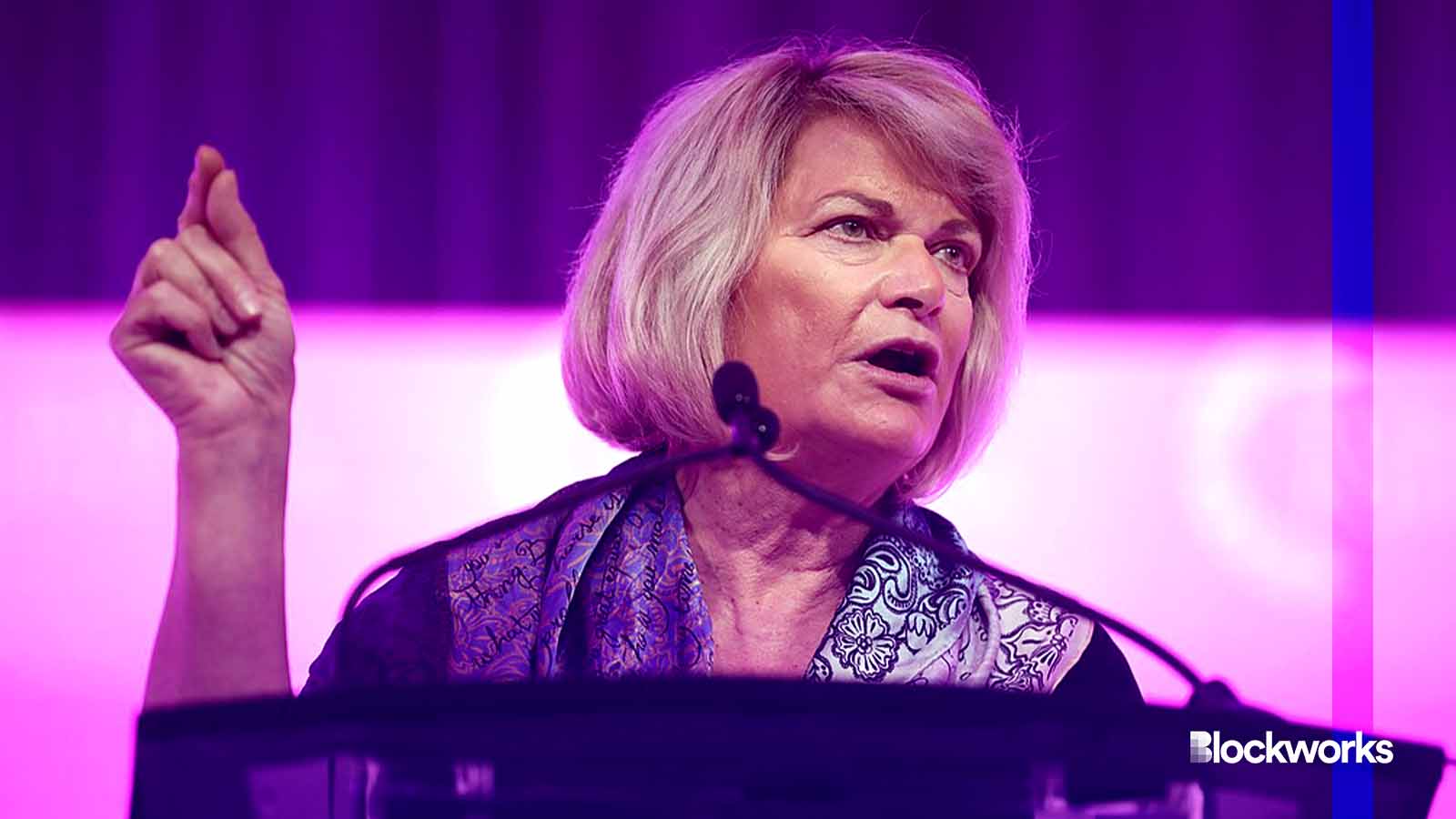
Senator Cynthia Lummis | CC license)
Senator Cynthia Lummis and Rep. French Hill penned a letter to US Department of Justice Attorney General Merrick Garland on Thursday.
Hill and Lummis — both of whom have been advocates for crypto — penned the letter following reports that Hamas, and “bad actors,” used Tether and Binance.
Israeli authorities reportedly asked Binance to shutter around 100 accounts tied to Hamas. Tether froze 32 addresses controlled by both Hamas and “Russian-linked entities.”
The letter cites a report from the Wall Street Journal which is facing controversy after Elliptic — the blockchain analysis firm named in the WSJ report, refuted the figures cited in the article.
The two asked Garland to “reach a charging decision on Binance that reflects their level of culpability.” The DOJ initially launched a probe into Binance back in 2018, with both the IRS and DOJ seeking answers from Binance back in 2021.
Reuters reported in December 2022 that the Justice Department was split about charging the exchange after the collapse of FTX.
The US Securities and Exchange Commission, however, filed a lawsuit against Binance back in June, alleging that Binance and Binance US sold unregistered securities. Binance also, according to the suit, evaded regulatory oversight and “put the safety of dollars of US investor capital at risk and at Binance’s and [CEO Changpeng] Zhao’s mercy.”
Hill and Lummis wrote, “Binance, notably, is an unregulated crypto asset exchange based in the Seychelles and Cayman Islands. Binance has historically been linked to illicit activity and is purportedly the subject of a current Department of Justice investigation.”
Binance did not immediately respond to a request for comment on the letter.
In addition to Binance, Lummis and Hill asked Garland to “expeditiously conclude [their] investigations into the ongoing illicit activities involving Tether.”
Reports of a criminal probe into Tether surfaced in 2021. Damian Williams, who’s also involved in the case and trial of ex-FTX CEO Sam Bankman-Fried, was reportedly tapped to head the probe in October 2022.
“There is simply no evidence that Tether has violated Sanctions laws or the Bank Secrecy Act through inadequate customer due diligence or screening practices,” Tether said in a post on Thursday.
“We urge the Department of Justice to carefully evaluate the extent to which Binance and Tether are providing material support and resources to support terrorism through violations of applicable sanctions laws and the Bank Secrecy Act,” Lummis and Hill wrote.
“To that end, we strongly support swift action by the Department of Justice against Binance and Tether to choke off sources of funding to the terrorists currently targeting Israel.”
Updated Oct. 26, 2023 at 2:49 pm ET: Added statement from Tether.
Get the news in your inbox. Explore Blockworks newsletters:
- The Breakdown: Decoding crypto and the markets. Daily.
- 0xResearch: Alpha in your inbox. Think like an analyst.

.jpg”>Gage Skidmore/“U.S. Senator Cynthia Lummis speaking with attendees at the 2021 Young Women’s Leadership Summit hosted by Turning Point USA at the Gaylord Texan Resort & Convention Center in Grapevine, Texas”</a> (<a href=)