3 DAO governance trends to watch in 2024
Here’s what may come to define the next year in the tumultuous world of DAOs
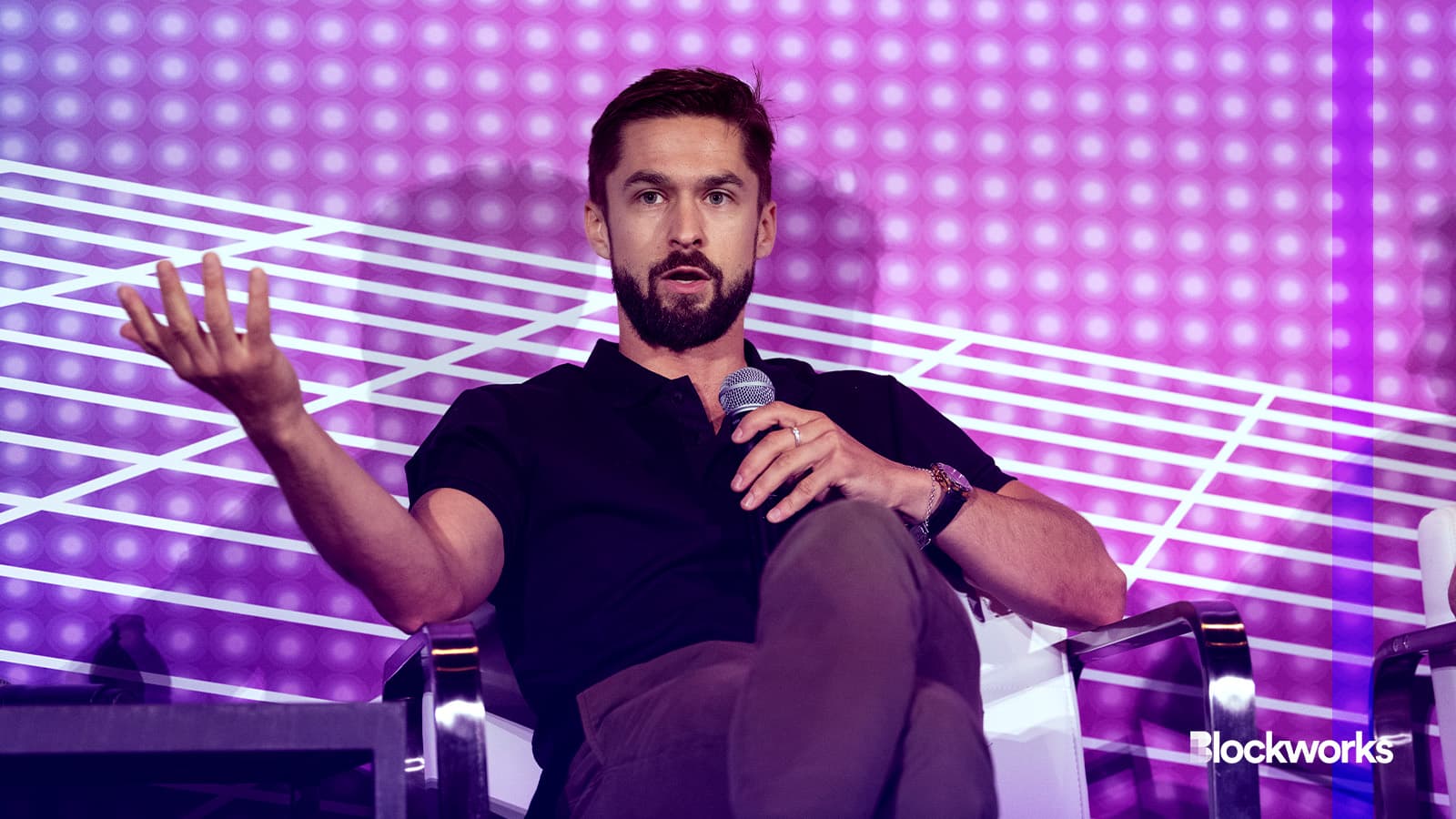
Bankless co-founder David Hoffman | Permissionless II by Blockworks
In a year of hacks, lawsuits and rage quits, DAOs had an eventful 2023 working out the kinks in decentralized governance. As the year draws to a close, here are a few of the trends that could shape DAOs and similar organizations in 2024.
Separation of powers
Many DAOs are adopting varied strategies to address the idea that governance power must be divided. This approach is driven by the dual objectives of enhancing efficiency and establishing a robust system of checks and balances.
Optimism’s DAO uses a bicameral system. The Token House is governed by Optimism’s OP token that was distributed via airdrop, and members vote on things like protocol upgrades and inflation tweaks.
Read more: Optimism squabbles over public goods funding to VC-backed projects
The second branch, the Citizen House, uses identity-based governance to fund Optimism’s retroactive public goods program. In the Citizen House, individuals who contribute to the Optimism ecosystem are granted voting “badges” they can use to vote on who should draw from the tens of millions of dollars being offered up for public goods providers.
The Citizen House recently completed voting on the third round of retroactive public goods funding.
A16z’s Miles Jennings wrote favorably about the Citizen House’s non-token based system as one way to address the “decentralization theater” that can be caused by solely token-based schemes.
Rage quits
Some DAOs have begun allowing disgruntled members to exit, often with a pro-rata share of their treasury, as a form of minority protection.
The early returns on rage quits have been mixed. Nouns DAO lost half its treasury in September when community members executed its new forking procedure. Nouns then forked a second time the next month and a third time in November. DAO members accused the activist forkers of exploiting an arbitrage opportunity — cashing out on their share of the treasury and leaving rather than wanting to try an alternative vision for Nouns.
FloorDAO saw members leave via rage quit and wrote in an October blog post that “the DAO need to be as focused as possible” and it would not discuss certain topics for the next year.
Treasury squabbles
As a potential bull market returns, DAO treasuries are seeing their native tokens increase in price. At the same time, competition is heating up for who should receive treasury funds.
Some in the Optimism ecosystem complained that venture capital-backed projects shouldn’t receive public goods funding.
And Arbitrum, the only layer-2 larger than Optimism by total value locked (TVL), has seen its $4.2 billion treasury become the source of multiple funding controversies. The community voted down a proposal for Blockworks Research, Gauntlet, and Trail of Bits to receive over $2 million worth of Arbitrum (ARB) tokens to manage the DAO’s governance. And the co-founders of Bankless burned their BANK tokens after some in the Arbitrum community felt that a BanklessDAO proposal asked too steep a price for an education and onboarding service.
Get the news in your inbox. Explore Blockworks newsletters:
- The Breakdown: Decoding crypto and the markets. Daily.
- 0xResearch: Alpha in your inbox. Think like an analyst.
