Crypto should regulate itself? Massad and Clayton think so
Maybe the crypto industry should pay for its own regulatory agency, former regulators argue
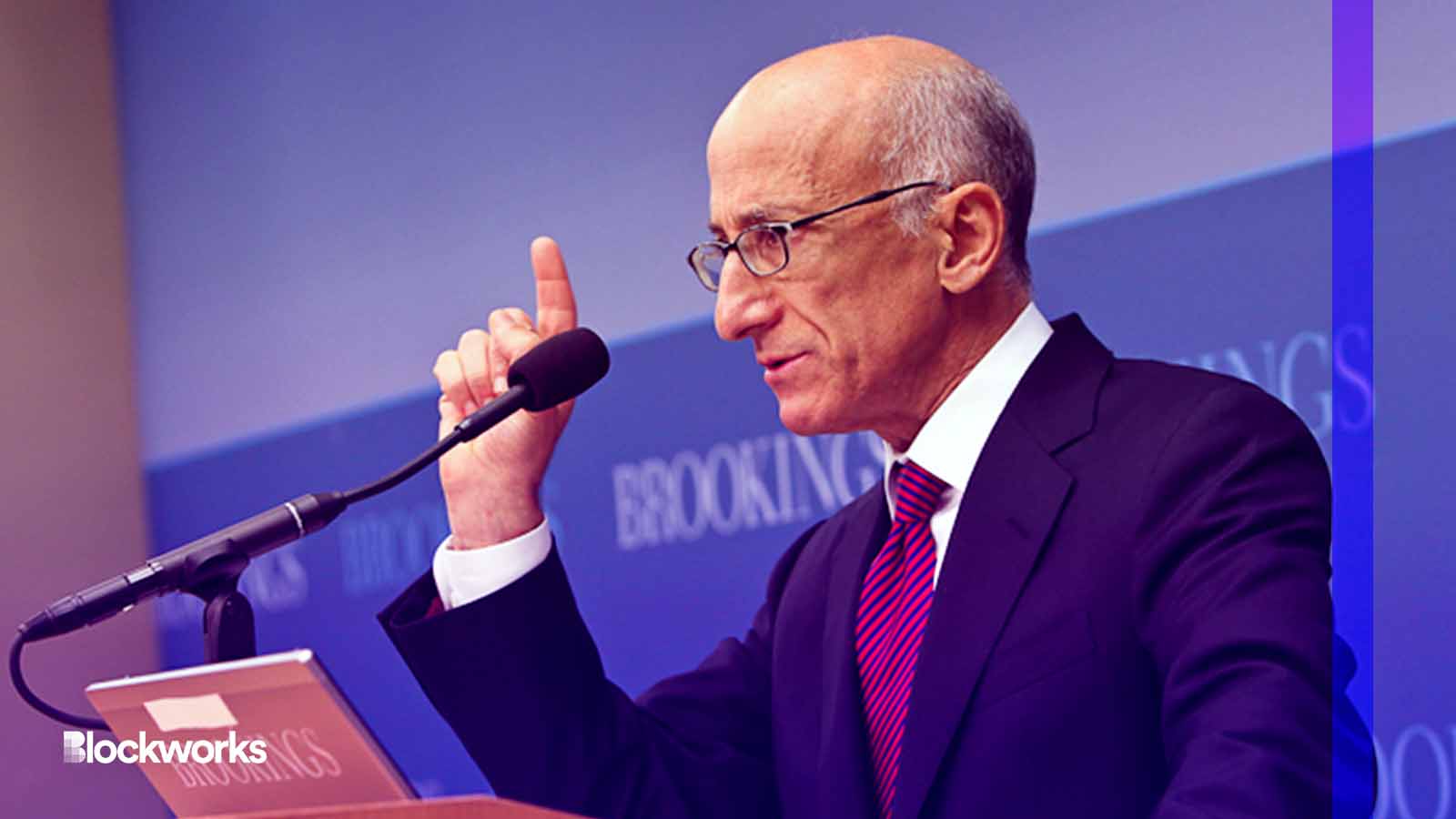
Former CFTC Chair Tim Massad | Brookings Institution/“Timothy Massad” (CC license)
If crypto companies are so keen on getting clear policy passed, they should focus on ponying up the cash to help fund a regulatory body, not fighting it out in court, former agency heads argue.
Former CFTC Chair Timothy Massad and former SEC Chair Jay Clayton co-authored an opinion piece in the Wall Street Journal earlier this month.
Massad and Clayton called for collaboration between the SEC and CFTC to “jointly develop basic investor and market protection standards for trading platforms as they exist today,” their op-ed read.
“The agencies could act directly or through a self-regulatory organization, shifting funding responsibility to the industry,” the two added. “Having Congress mandate this approach would be even better.”
The current “regulation by enforcement” strategy regulatory agencies, particularly the SEC, seem currently interested in leads to lengthy and expensive litigation. Waiting on court cases to resolve is not an effective strategy for creating policy, Massad and Clayton argue.
“We also believe that these enforcement actions, in themselves, are unlikely to bring about a significant improvement in investor protection and market integrity quickly,” Massad and Clayton wrote.
Massad and Clayton’s comments come as lawmakers continue to struggle to get on the same page about crypto regulation, namely when it comes to allocating responsibilities to different agencies.
The current Digital Asset Market Structure Bill discussion draft, by Republican chairs Patrick McHenry and Glenn Thompson, of the House Financial Services and Agriculture Committees, respectively, attempts to reshuffle power between the SEC and CFTC.
McHenry and Thompson call for giving control over digital asset spot commodities markets to the CFTC, although this calls into question the process of token classification, which the SEC has lately spearheaded. Some lawmakers have argued that the CFTC would need significantly more funding to achieve the goals laid out in the discussion draft, but the bill does not include anything on agency budget.
The SEC and CFTC need to be involved in crypto regulation, Massad and Clayton agree, but the industry could fund a new oversight body.
Similar to how banking and savings institutions fund the Federal Depository Insurance Corporation, crypto firms could be required by Congress to bear the cost of a regulatory agency, Massad and Clayton suggest.
“It won’t cost taxpayers,” the two added.
Get the news in your inbox. Explore Blockworks newsletters:
- The Breakdown: Decoding crypto and the markets. Daily.
- 0xResearch: Alpha in your inbox. Think like an analyst.
