Crypto needs ‘to work closely with the regulators:’ Gemini deputy general counsel
We’ve come a long way, but lack of regulatory clarity for crypto in the US remains a major hurdle, industry leaders say
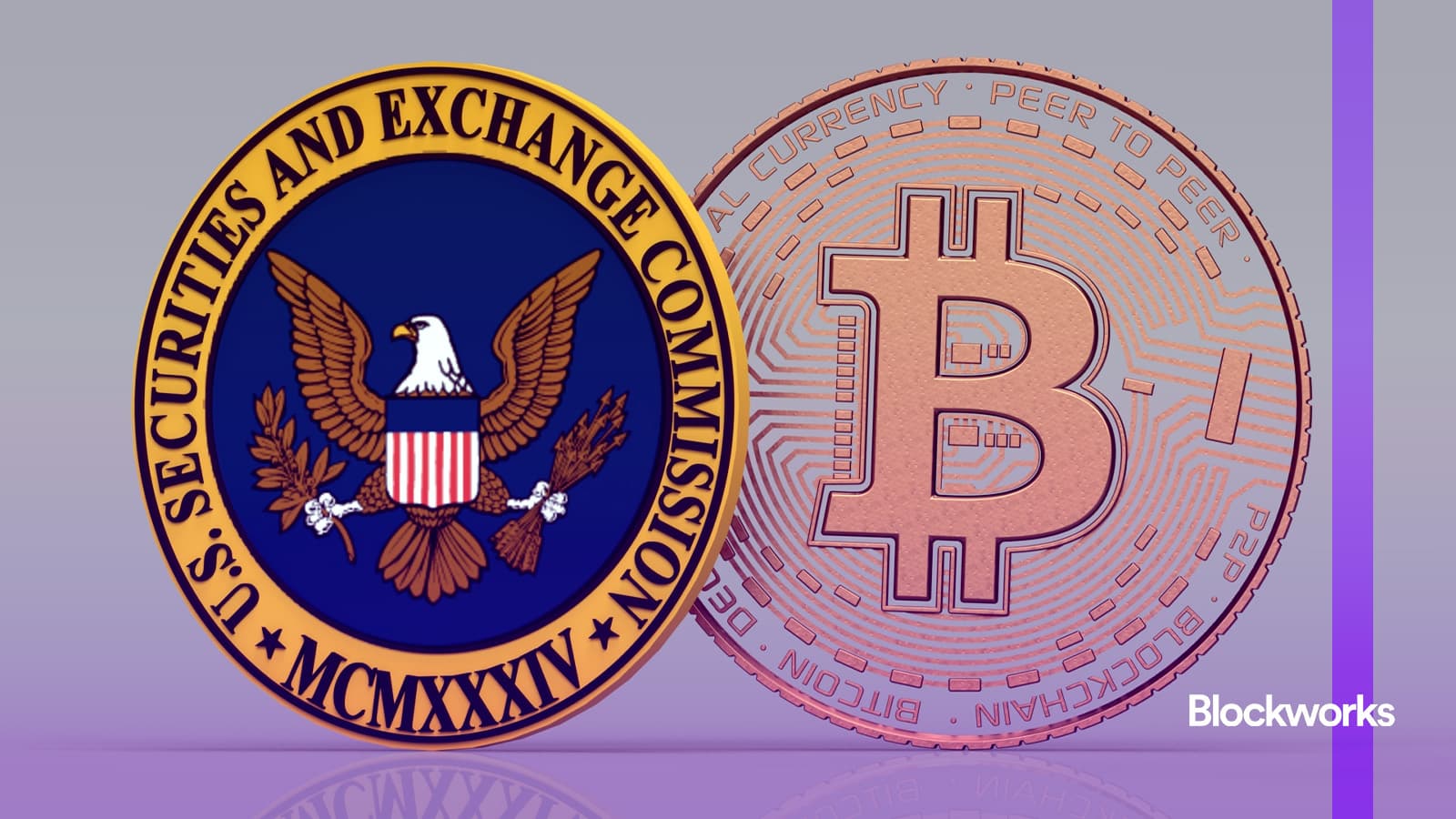
Rcc_Btn/Shutterstock modified by Blockworks
In the wake of two historic approvals for crypto exchange-traded products in the US this year, industry leaders say there is still work to be done.
“If you zoom out, the fact that we got two different types of crypto exchange-traded funds in the marketplace this year actually means that it’s maybe been the biggest year for regulatory advancement that we’ve seen,” Teddy Fusaro, president at Bitwise, said during a panel discussion at the DACOM event in New York Wednesday.
“Now, whether or not the [Securities and Exchange Commission] really wanted to do that or if their hand was maybe forced, based on what happened in the courts, is another story,” Fusaro added, referring to Grayscale’s win over the SEC in federal appeals court last year.
The panel, held at the Solidus Labs-hosted event, focused on what the industry needs to continue growing and attracting institutional players.
Read more: Digital assets involvement becoming ‘inevitable’ for more institutions
“These products were a watershed moment,” Chris Tierno, deputy general counsel at Gemini, said of both the bitcoin and ethereum spot ETFs. “When I think about institutionalization, I think about buyers, sellers, infrastructure providers and regulators all working in a concerted effort to build an industry.”

This last prong, Tierno said, is essential when it comes to onboarding traditional players.
“When we start approaching our partners in the industry, they don’t want to risk their primary source of their business for what could potentially be five or 10% revenues; they’re not going to put that at risk for a product that doesn’t have certainty,” he said. “So we really need to work closely with the regulators.”
Read more: Our industry is in limbo. What’s going on?
The comments come moments after Commodity Futures Trading Commission Commissioners Caroline Pham and Summer Mersinger delivered a keynote address Wednesday. The pair, who are known for their dissenting opinions related to crypto enforcement actions brought by the CFTC, expressed frustration with the current agenda at their agency.
“There’s this broader issue with the trend the CFTC has taken in its enforcement priorities, which is that we are increasingly bringing cases for registration or compliance violations instead of focusing on true bad actors — people who are lying, cheating or stealing,” Pham said.
Pham earlier this month issued a dissenting opinion after the CFTC settled charges against Uniswap for alleged commodities law violations. The commission’s ultimate decision, Pham said, was “legally simplistic.”
Mersinger, in her own dissenting opinion, said going after Uniswap in the first place was a misguided use of agency resources, especially given that commissioners had alleged no harm to customers or market participants.
Get the news in your inbox. Explore Blockworks newsletters:
- The Breakdown: Decoding crypto and the markets. Daily.
- 0xResearch: Alpha in your inbox. Think like an analyst.
