Congressional Action on Stablecoins Could Come as Soon as This Month, Source Says
The ongoing conflict in Ukraine could impede progress on the bills
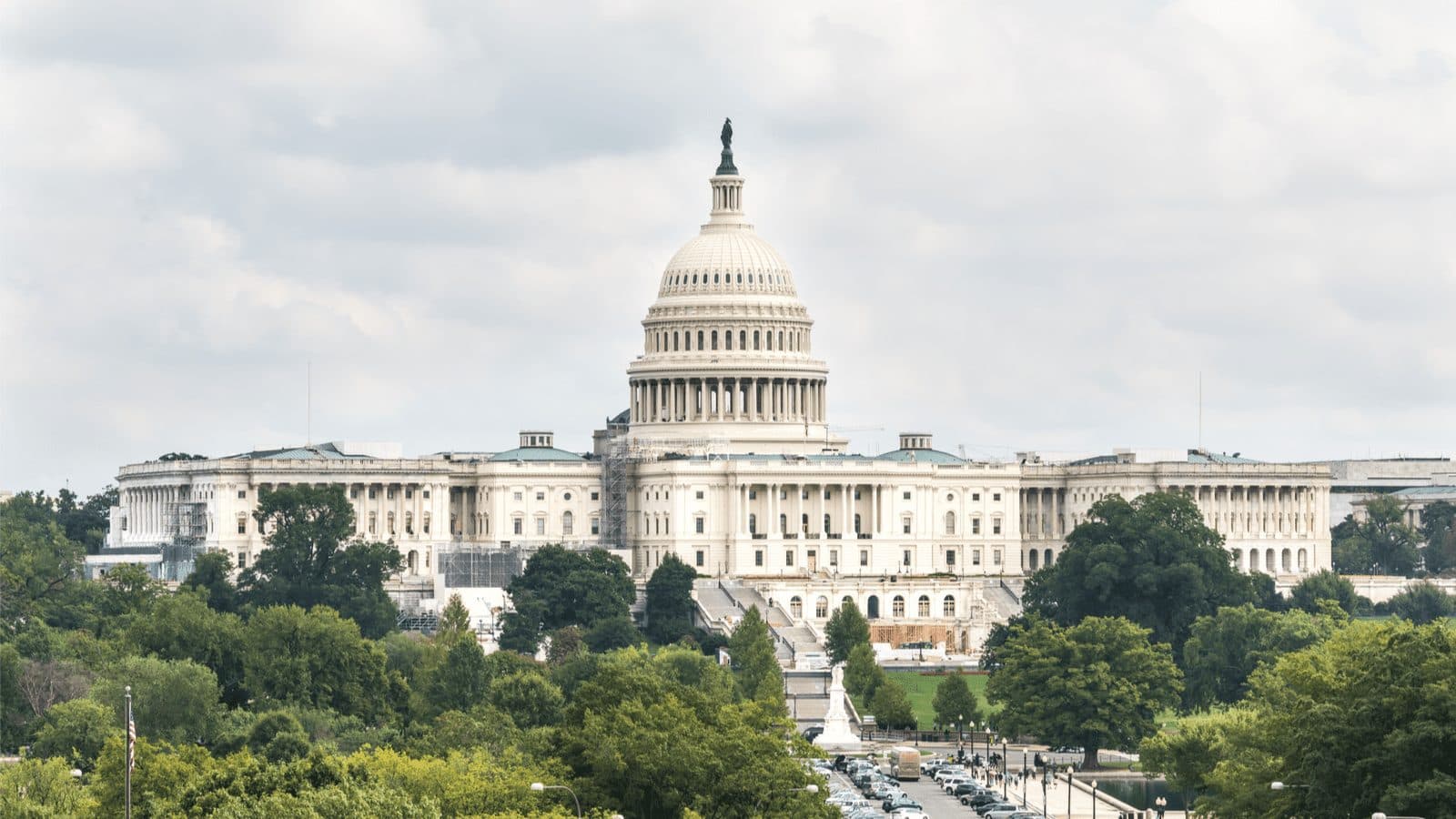
Source: Shutterstock
- Efforts are underway in the House and the Senate to regulate stablecoin issuers and oversee reserves
- The escalating conflict in Ukraine has led lawmakers to question how a CBDC might work in the US
As stablecoins and their reserves have been increasingly scrutinized, bills designed to regulate the digital assets will likely be introduced by US lawmakers this month, according to a source familiar with the matter.
Different versions of the bill are expected to be rolled out in the House and Senate this month, the person said. The source was granted anonymity to discuss private information.
Both the House and Senate heard from Jean Nellie Liang, the under secretary for domestic finance at the Department of the Treasury, in February to discuss a recent report on stablecoins from the President’s Working Group on Financial Markets (PWG).
The PWG and Liang recommended that stablecoin issuers must be federally insured depository institutions — more commonly known as banks. More Democrats are starting to disagree with the guidance, the person said, but the upcoming bills, some of which will be bipartisan efforts, will center around creating rules for stablecoin reserves.
“There seems to be a bipartisan consensus that Congressmen want to prevent another situation like Tether, the stablecoin known as USDT that has been subject to enforcement actions and scrutiny from regulators for holding only a small portion of its reserves in US dollars,” said Ron Hammond, director of government affairs for the Blockchain Association. “The bills may include measures requiring stablecoin issuer audits and clearer guidelines about what assets can make up reserves and whether banks or nonbanks can issue stablecoins.”
The move comes after Rep. Josh Gottheimer, D-N.J.,revealed in February an early draft of legislation aiming to classify certain stablecoins as “qualified” if consumers can redeem the digital currency on a one-for-one basis with US dollars.
Recent concerns over Russia’s central bank digital currency (CBDC), which is currently in pilot, and Canada’s freezing of crypto addresses have lawmakers rethinking the risks associated with a US CBDC, the person added. It’s not the first time lawmakers have questioned the role a CBDC might play in the current financial landscape.
In January, during Federal Reserve Chair Jerome Powell’s testimony before the Senate Banking Committee, Sen. Pat Toomey, R-Pa., questioned whether a Fed digital dollar would be able to exist alongside a “well-regulated, privately issued stablecoin.” Powell, who previously argued that a CBDC would render private stablecoins obsolete, assured Toomey the two are not mutually exclusive.
While efforts to draft bills related to stablecoins have been in the works for some time, the escalating situation in Ukraine may delay future progress. One lawmaker’s office has already put their stablecoin work on hold, the person said.
Get the news in your inbox. Explore Blockworks newsletters:
- The Breakdown: Decoding crypto and the markets. Daily.
- 0xResearch: Alpha in your inbox. Think like an analyst.
